Smart Ideas: Revisited
 The Quiet Work of Keeping Children Healthy
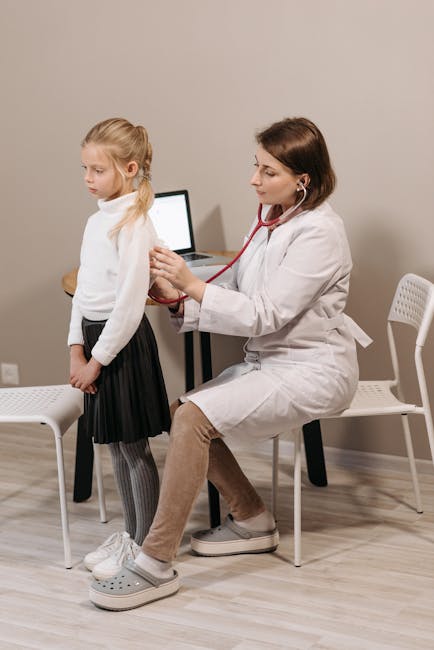
There is a common misunderstanding about what pediatricians actually do. Many parents assume that the doctor’s office exists for moments of crisisthe fever that spikes at midnight, the ear that will not stop aching, the mysterious rash spreading across a toddler’s belly. And certainly, pediatricians excel at these emergencies, swooping in with diagnoses and prescriptions when illness strikes. But the true value of regular Bronx pediatrician visits lies elsewhere, in the quieter, more routine appointments that feel almost unnecessary precisely because nothing seems wrong. These checkups are the unsung backbone of childhood health, and their importance cannot be overstated.
The most obvious benefit of frequent visits is prevention. Vaccines protect children from diseases that once devastated entire families, and the pediatrician’s schedule ensures these immunizations happen on time, when they matter most. Growth is monitored with the patience of a gardener tending seedlingsheight and weight plotted on charts that reveal whether a child is thriving or quietly falling behind. Vision and hearing are screened, catching problems early when they are still correctable. Developmental milestones are assessed, not to rush children into conformity, but to spot delays that, if caught soon enough, can be addressed with therapies that change entire futures. None of this happens in an emergency room. None of it happens when you only visit when something is obviously wrong.
Yet prevention is only half the story. Regular visits build a relationship, and that relationship is a kind of medicine in itself. A child who sees the same pediatrician year after year grows to trust that person, learning that the exam room is not a place of fear but of safety. This trust matters enormously in adolescence, when teenagers become reluctant to confide in their parents but may still open up to a doctor who has known them since infancy. Mental health concerns, questions about bodies and identity, struggles with anxiety or depressionthese conversations happen more easily when the groundwork of an ongoing relationship has been laid. You cannot build that foundation overnight in a crisis.
There is also the matter of the parents themselves. A good pediatrician is not simply a physician but a guide, reassuring exhausted new mothers, decoding the chaos of sleepless nights and feeding struggles, separating the genuinely dangerous from the merely messy. Parents often do not know what they do not know, and the routine visit becomes a structured opportunity to ask questions that feel too small or too silly for an emergency appointment. This steady stream of guidance prevents countless problems before they start.
Critics might argue that healthy children do not need such frequent care, that the schedule of well-child visits feels excessive. But this thinking mistakes the absence of symptoms for the presence of health. Children grow so quickly that problems can appear and worsen between visits that seem only months apart. The pediatrician is the one person looking at the whole childbody, mind, and familywith the benefit of history and the tools of foresight. In the end, regular pediatric visits are not about reacting to illness but about quietly, patiently cultivating health. That unglamorous work, done visit after visit, is what allows children to simply grow, and what gives parents peace of mind in the meantime.