If You Think You Get , Then This Might Change Your Mind

If You Think You Get , Then This Might Change Your Mind

What It Takes to Thrive as a Failure Analysis Expert

When you first hear the term failure analysis expert you may picture a laboratory filled with microscopes and complex data streams. In reality the role blends curiosity with systematic thinking and it offers a rewarding path for anyone who loves solving puzzles. Your journey begins with a clear understanding of why components fail, because every investigation starts with a question that drives the entire process. By asking what caused the breakdown you set the stage for a methodical search that uncovers hidden clues and guides future design decisions.

The first step you take as a failure analysis expert involves gathering every piece of evidence surrounding the incident. You collect physical samples, review operating logs, and interview operators who witnessed the event. This comprehensive collection creates a timeline that links environmental conditions, usage patterns and material properties. When you piece together these elements you begin to see patterns that point toward the root cause. The more detail you capture at this stage the easier it becomes to eliminate false leads later on.

Once you have assembled the data you move into the examination phase where you apply a toolbox of techniques to reveal the internal state of the failed part. You might use optical microscopy to inspect surface cracks, scanning electron microscopy to view fracture surfaces, or spectroscopy to identify chemical changes. Each method adds a layer of insight that builds a three dimensional picture of the failure. By interpreting these results you translate raw images into meaningful narratives that explain how stress, corrosion or fatigue contributed to the loss of function.

Interpretation is where your expertise truly shines because you must connect the observed damage to the operating environment. You compare the findings with material specifications, design tolerances and expected load cycles. If the fracture surface shows a beach mark pattern you recognize a fatigue origin, whereas a smooth, granular area suggests a brittle fracture. By matching these signatures to real world conditions you can pinpoint whether a design flaw, manufacturing defect or misuse triggered the event. This logical bridge between evidence and cause is the heart of the failure analysis expert’s value.

After you identify the root cause you communicate your conclusions to stakeholders who need to act on the information. You craft clear reports that describe the failure mechanism, quantify its impact and recommend corrective actions. Your language remains precise yet accessible, allowing engineers, managers and customers to understand the implications without getting lost in jargon. By presenting actionable steps such as material substitution, redesign of stress concentrators or changes in maintenance schedules you help prevent recurrence and improve overall reliability.

The next phase you often oversee is the implementation of those recommendations. You may work alongside design teams to validate new concepts, assist quality assurance groups in updating testing procedures, or support production staff as they adopt revised processes. Your involvement ensures that the lessons learned translate into tangible improvements rather than remaining theoretical ideas. Watching a redesigned component perform flawlessly after your guidance provides a strong sense of accomplishment and reinforces the importance of your role.

Continuous learning fuels your growth as a failure analysis expert because technology and materials evolve rapidly. You stay current by attending conferences, reading technical journals and experimenting with emerging analytical tools. Each new technique you master expands the range of failures you can diagnose, making you a more versatile problem solver. By sharing insights with peers you also contribute to a broader community that benefits from collective experience.

In the end your work as a failure analysis expert does more than fix broken parts; it builds trust in the products people rely on every day. You turn unexpected setbacks into opportunities for improvement, helping companies deliver safer, more reliable solutions. When you approach each investigation with curiosity, rigor and clear communication you not only solve the immediate problem but also shape the future of engineering design. Embrace the challenge and you will find a career that constantly rewards your analytical mind and your desire to make a lasting impact.

Getting Down To Basics with

Figuring Out

Looking On The Bright Side of

Looking On The Bright Side of

Choosing the Best Failure Analysis Solution

When a product, component, machine, or material fails unexpectedly, identifying the cause is essential for preventing the same problem from happening again. Failure analysis provides a systematic way to investigate defects, breakdowns, and performance issues and determine what went wrong. However, choosing the best failure analysis solution requires more than simply selecting a testing method. Organizations must consider the type of failure, the material involved, the available technology, the required level of accuracy, and the time and cost involved. A well-chosen solution can turn an unexpected failure into an opportunity to improve quality, reliability, and overall performance.

The first step in choosing an appropriate failure analysis solution is understanding the nature of the problem. Failures can occur because of material defects, manufacturing errors, design weaknesses, excessive stress, corrosion, fatigue, overheating, contamination, or improper use. Before selecting an analytical technique, it is important to collect information about when and how the failure occurred. Examining the failed component, reviewing operating conditions, and studying maintenance and production records can provide valuable clues. A clear understanding of the failure mechanism helps determine which analytical tools will provide the most useful information.

The material and structure of the failed component should also influence the choice of analysis. Metals, polymers, ceramics, electronic components, and composite materials can fail in very different ways. Techniques such as microscopy, chemical analysis, hardness testing, spectroscopy, dimensional inspection, and non-destructive testing may be appropriate depending on the situation. For example, microscopic examination can reveal cracks and surface defects, while chemical analysis can identify contamination or unexpected changes in material composition. Selecting techniques that match the material and suspected failure mechanism increases the likelihood of finding the true root cause.

Another important consideration is whether the analysis should be destructive or non-destructive. Non-destructive testing methods allow components to be examined without permanently damaging them, making them valuable when the part is expensive, unique, or still required for operation. Destructive techniques, on the other hand, may provide more detailed information about internal structures, material properties, or fracture surfaces. The decision should therefore take into account the importance of preserving the original component and the amount of information needed to reach a reliable conclusion.

Accuracy and reliability should be central to the selection process. A failure analysis solution that produces fast results but cannot provide dependable evidence may lead to incorrect conclusions. Ideally, the chosen approach should generate measurable and repeatable data that can be compared with specifications, historical results, or known standards. It is also beneficial to use several complementary techniques when a failure has multiple possible causes. Combining visual inspection, laboratory testing, and engineering analysis can create a much clearer picture than relying on a single test.

Cost and turnaround time are also practical factors. Businesses need solutions that provide meaningful results without creating unnecessary expenses or delays. The cheapest testing method is not always the most economical choice if it fails to identify the root cause and allows the problem to return. Similarly, the fastest method may not be appropriate when a detailed investigation is required. The best solution balances cost, speed, technical capability, and the consequences of making an incorrect diagnosis.

Finally, organizations should consider the expertise and capabilities of the laboratory or failure analysis provider. Experienced specialists can help determine which tests are appropriate, interpret complex results, and connect laboratory findings with real-world operating conditions. A strong provider should also communicate findings clearly and provide practical recommendations for corrective action.

Choosing the best failure analysis solution ultimately means selecting an approach that answers the right questions and identifies the true cause of failure. By carefully evaluating the failure mechanism, material, testing requirements, accuracy, cost, timing, and technical expertise available, organizations can make better decisions and prevent recurring problems. Effective failure analysis is not simply about discovering why something broke; it is about using evidence to improve design, manufacturing, maintenance, safety, and long-term reliability.

Getting Down To Basics with

The 10 Best Resources For

Short Course on – What You Need To Know

Short Course on – What You Need To Know

How Metallurgy Services Power Modern Industry

When you look at the products that shape daily life, you often focus on design, electronics, or software. Yet the strength of a bridge, the efficiency of a jet engine, and the durability of a medical implant all begin with metal. Metallurgy services provide the expertise that transforms raw ore into the high?performance materials that keep modern industry moving forward. By understanding how metals behave, how they can be combined, and how they respond to extreme conditions, these services create the foundation for innovation across sectors.

The journey starts with extraction, where specialists separate valuable metal from rock. Instead of simply mining and shipping raw material, they apply precise chemical and thermal techniques that remove impurities and prepare the metal for further refinement. This early stage sets the stage for every later decision because the purity of the base metal determines how it will respond to alloying, heat treatment, and forming processes. When you choose a supplier that offers comprehensive metallurgy services, you gain confidence that the metal entering your production line meets exact specifications.

Alloying represents the next pivotal step. By mixing two or more elements, metallurgists tailor properties such as strength, corrosion resistance, and conductivity. For example, adding nickel and chromium to steel yields an alloy that resists rust in marine environments, while blending aluminum with copper produces a lightweight material that still conducts electricity efficiently. These choices do not happen by accident; they result from detailed analysis of how each element interacts at the atomic level. Your product designers rely on this knowledge to select materials that meet performance goals without adding unnecessary weight or cost.

Heat treatment follows alloying and further refines the metal’s characteristics. Controlled heating and cooling cycles alter the internal crystal structure, allowing you to achieve hardness where you need it and flexibility where you need it. In the automotive sector, engineers use tempering to produce gears that withstand high torque while maintaining smooth operation. In aerospace, precise aging processes give turbine blades the ability to endure temperatures that would melt ordinary steel. By integrating heat treatment into their service portfolio, metallurgists give you a single point of contact for achieving the exact balance of toughness and ductility required by your application.

Testing and quality assurance close the loop on the metallurgy service chain. Modern laboratories employ techniques such as spectroscopy, microscopy, and mechanical testing to verify that every batch meets the declared standards. Rather than discovering a flaw after production, you receive detailed reports that highlight micro?structural features, tensile strength, and fatigue life. This proactive approach prevents costly rework and protects the reputation of your brand. When you partner with a provider that emphasizes rigorous testing, you embed reliability into every component you ship.

Beyond traditional manufacturing, metallurgy services drive emerging technologies. In renewable energy, engineers depend on corrosion?resistant alloys to build offshore wind turbines that survive salty sea air for decades. In the realm of electric vehicles, lightweight aluminum?magnesium alloys reduce vehicle mass, extending driving range without sacrificing safety. Even medical device makers benefit from biocompatible metals such as titanium, which metallurgists process to achieve the precise surface finish needed for implants. These examples illustrate how a solid foundation in metal science enables progress across diverse fields.

Looking ahead, advances in nanostructuring and additive manufacturing promise to reshape what metallurgy services can deliver. By manipulating metal at the nanoscale, researchers create materials that combine strength and elasticity in ways previously thought impossible. Additive processes, meanwhile, allow you to build complex geometries layer by layer, reducing waste and opening design possibilities that conventional casting cannot match. As these technologies mature, the role of metallurgists expands from supplier to collaborative innovator, working alongside engineers to turn bold concepts into tangible products.

In summary, metallurgy services form the invisible backbone of modern industry. From extraction through alloy design, heat treatment, testing, and cutting?edge research, each step adds value that directly influences the performance, safety, and sustainability of the goods you rely on. By choosing a partner that offers a full spectrum of metallurgical expertise, you equip your business with the tools to meet today’s challenges and seize tomorrow’s opportunities. The metal world may be hidden from view, but its impact resonates in every bridge you cross, every plane you board, and every device you hold.

The 4 Most Unanswered Questions about

The Essential Laws of Explained

News For This Month:

News For This Month:

Exploring the World of Metallurgical Labs in Texas
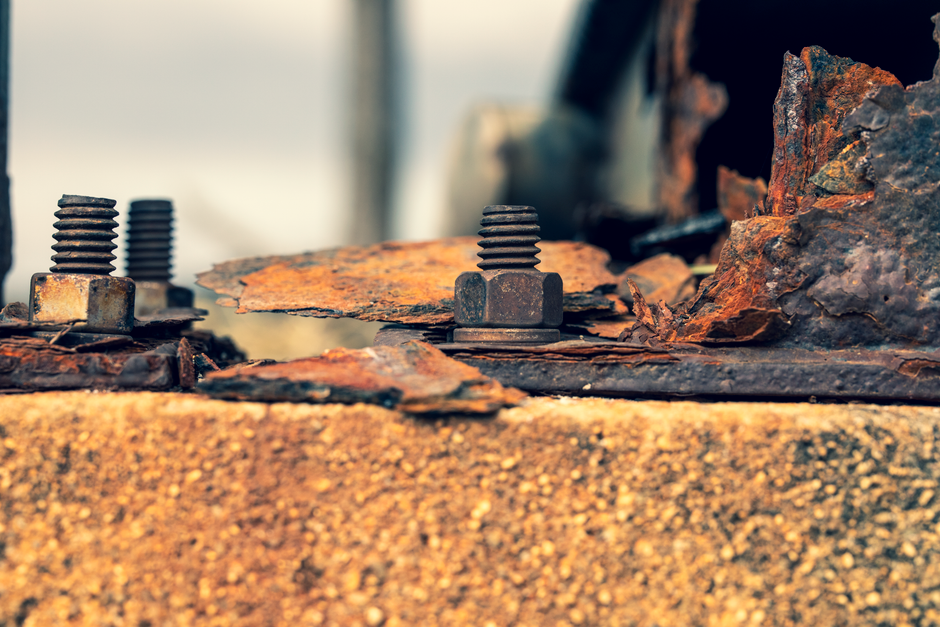
The Role of Metallurgical Laboratories
You will discover how metallurgical laboratories serve as the backbone of material science research and quality control in Texas. These facilities analyze the composition, structure, and performance of metals to ensure safety, reliability, and innovation across industries. By conducting rigorous tests, you help manufacturers identify flaws before products reach consumers, preventing costly failures and protecting reputations.

You also engage in developing new alloys that meet specific performance criteria, such as corrosion resistance or high-temperature stability. Your work pushes the boundaries of what metals can achieve, enabling advancements in aerospace, automotive, and energy sectors. The laboratory becomes a hub where theory meets practice, and your expertise guides critical decision-making processes.

Key Services Offered
You will provide a wide array of analytical services that support both research and commercial production. One core service involves chemical composition analysis, where you determine the precise elemental makeup of a metal sample. This information informs alloy design and quality assurance, ensuring that each batch meets stringent specifications.

Another vital service is microstructural evaluation, where you examine grain size, phase distribution, and defect presence. By using advanced imaging techniques, you can predict material behavior under stress or during service. Your findings help engineers optimize processing conditions and improve product longevity.

The laboratory also offers mechanical testing, such as tensile, hardness, and fatigue assessments. These tests reveal how metals will perform under real-world loads and temperatures. You translate data into actionable insights that shape design choices and safety standards.

Essential Equipment and Techniques
You will operate a range of sophisticated instruments that enable precise measurement and analysis. Spectrometers, for instance, help you detect trace elements with high sensitivity, while X-ray diffraction systems reveal crystal structures and phase composition. You calibrate these instruments regularly, ensuring accuracy and compliance with industry regulations.

Microscopy techniques, including optical and electron microscopy, allow you to visualize microstructural features at magnifications from hundreds to thousands of times. You capture high-resolution images that reveal grain boundaries, precipitates, and defects, providing a visual basis for material characterization.

Non-destructive testing methods, such as ultrasonic and magnetic particle inspection, enable you to detect internal flaws without damaging samples. You interpret signal patterns to locate cracks or inclusions, safeguarding product integrity. These techniques are essential in sectors where failure can have catastrophic consequences.

Career Opportunities and Training
You will find that a career in a Texas metallurgical laboratory offers diverse pathways, from research scientist to quality assurance specialist. Entry-level positions often require a strong foundation in materials science or metallurgy, which you can acquire through undergraduate studies and specialized training programs.

Advanced roles may involve leading projects, managing teams, or developing new testing protocols. You continually refine your skills by attending workshops, pursuing certifications, and staying current with emerging technologies. The dynamic nature of the field ensures that your expertise evolves alongside industry needs.

Networking within professional societies and conferences further enhances career prospects. You collaborate with peers, share findings, and contribute to collective knowledge that drives the field forward. By building relationships, you position yourself as a valuable resource for innovation and problem-solving.

Conclusion
You have seen how metallurgical laboratories in Texas play a pivotal role in advancing material science and ensuring product excellence. By applying rigorous analytical methods, operating cutting-edge equipment, and pursuing continuous professional growth, you contribute to safer, more efficient, and innovative applications across multiple industries. Your work not only safeguards current technologies but also lays the groundwork for future breakthroughs that will shape the world.

Why No One Talks About Anymore

The 10 Best Resources For

3 Tips from Someone With Experience

3 Tips from Someone With Experience

The Importance of Professionals in Modern Society?

# The Importance of Professionals in Modern Society

Professionals play an important role in the development and progress of modern society. A professional is a person who has specialized knowledge, skills, training, and experience in a particular field and uses these abilities to provide valuable services. Doctors, teachers, engineers, lawyers, accountants, architects, nurses, journalists, scientists, and many other workers are examples of professionals. Their knowledge and dedication help individuals, organizations, and communities solve problems, make good decisions, and achieve their goals.

One of the most important qualities of a professional is competence. Professionals are expected to understand their areas of work and perform their duties effectively. For example, a doctor must have sufficient medical knowledge to diagnose and treat patients, while an engineer must understand technical principles to design safe and reliable structures. Competence does not come automatically. It requires education, practical training, continuous learning, and experience. Since knowledge and technology continue to change, professionals must keep improving their skills throughout their careers.

Professionalism also involves responsibility. Professionals often handle duties that can have a significant effect on other people’s lives. A teacher influences the education and development of learners, while a financial professional may help clients make important decisions about their money. Because of this responsibility, professionals should take their work seriously and understand the consequences of their actions. They should complete tasks carefully, meet deadlines, follow appropriate procedures, and accept responsibility when mistakes occur.

Integrity is another essential characteristic of a good professional. Integrity means being honest, trustworthy, and guided by strong moral principles. A professional should not use his or her position to take unfair advantage of others. For instance, a lawyer should respect confidentiality, a teacher should treat students fairly, and a business professional should provide truthful information to clients. Trust is difficult to build but easy to lose, so professionals must protect their reputation by consistently demonstrating honesty and fairness.

Communication skills are equally important. Professionals work with different people, including colleagues, clients, students, patients, managers, and members of the public. They need to express ideas clearly and listen carefully to others. Good communication reduces misunderstandings and helps people work together effectively. In many workplaces, technical knowledge alone is not enough. A highly skilled person who cannot communicate or cooperate with others may struggle to achieve good results.

Professionals should also demonstrate respect and teamwork. Modern workplaces often require people from different backgrounds and areas of expertise to work together. Respecting other people’s opinions, cultures, experiences, and responsibilities creates a positive working environment. Teamwork allows professionals to combine their different abilities and find better solutions to complex problems. A successful professional therefore understands that personal achievement is important, but contributing to the success of a team or organization is equally valuable.

Another important quality is adaptability. The modern world is changing rapidly because of technology, globalization, economic developments, and new social needs. Professionals must be willing to learn new methods and adjust to changing circumstances. Someone who refuses to learn may eventually find that his or her knowledge is no longer sufficient. Adaptable professionals are more likely to remain effective because they are prepared to develop new skills and respond positively to challenges.

Professional success should not be measured only by income or position. A truly successful professional makes a positive contribution to society. Professionals can use their knowledge to improve people’s lives, create opportunities, solve important problems, and encourage development. They should understand that their work carries a wider social responsibility.

In conclusion, professionals are essential to the functioning and development of society. Their competence, responsibility, integrity, communication skills, teamwork, and adaptability enable them to perform their duties effectively. Becoming a good professional requires more than academic qualifications; it requires discipline, continuous learning, ethical behavior, and a commitment to serving others. When professionals combine knowledge with honesty and responsibility, they become valuable contributors to their workplaces and communities.

Discovering The Truth About

If You Read One Article About , Read This One

5 Key Takeaways on the Road to Dominating

5 Key Takeaways on the Road to Dominating

Transform Your Space: The Benefits of Hiring a Professional Remodeling Company

When it comes to home improvement, the decision to remodel can be both exciting and overwhelming. Whether you’re looking to update your kitchen, expand your living space, or enhance your home’s curb appeal, hiring a professional remodeling company can make all the difference. In this article, we’ll explore the numerous benefits of working with experienced remodelers and why this investment is worth every penny.

One of the primary advantages of hiring a remodeling company is expertise and experience. Professional remodelers possess the skills and knowledge necessary to handle various aspects of home improvement projects. From design to execution, a remodeling company ensures that your vision is translated into reality with precision and attention to detail. Their experience also means they can quickly identify potential challenges and provide effective solutions, saving you time and money in the long run.

Moreover, a reputable remodeling company can significantly increase the value of your home. Whether you intend to sell in the near future or simply want to enjoy a beautiful living space, a well-executed remodel can enhance the overall appeal of your property. Potential buyers are often drawn to modern, functional, and stylish spaces, which can lead to a higher resale value. Additionally, investing in quality renovations can improve energy efficiency, which attracts eco-conscious buyers.

Another compelling reason to hire professionals is their access to resources and materials. Remodeling companies often have established relationships with suppliers and contractors, which can lead to cost savings on materials and faster project completion times. They are also knowledgeable about the latest trends and technologies in home improvement, ensuring that your remodel not only looks good but functions efficiently. These partnerships can provide you with options you may not have considered on your own, enriching the overall design and functionality of your space.

Lastly, working with a remodeling company allows you to focus on other aspects of your life while they handle the intricacies of the project. Managing a remodel can be stressful, with numerous decisions and timelines to juggle. A professional team takes over the logistics, providing you with a clear timeline and regular updates. This peace of mind allows you to enjoy the transformation of your home without getting bogged down by the details.

In conclusion, hiring a remodeling company offers a wide range of benefits that extend beyond simple aesthetics. From their expertise and access to resources to the potential increase in your property value, professionals bring a level of skill and efficiency that can make your remodeling project a success. If you’re considering a home improvement project, investing in a professional remodeling company is a decision you’ll likely appreciate for years to come.

Discovering The Truth About

Short Course on – Getting to Square 1

What Do You Know About

What Do You Know About

Unlocking the Benefits of Facial Services for Healthy Skin

In the quest for beautiful, glowing skin, many people turn to facial services as a vital part of their skincare routine. Whether you are struggling with acne, dryness, or simply looking to maintain a youthful appearance, regular facials can serve as an effective solution. This article explores the various types of facial services, their benefits, and why they should become a staple in your self-care regimen.

Facial services come in many forms, catering to different skin types and concerns. From deep-cleansing facials to hydrating treatments, each service is designed to rejuvenate the skin and improve its overall health. For example, a deep-cleansing facial emphasizes purging excess oils and impurities, making it ideal for those with oily or acne-prone skin. In contrast, hydrating facials focus on replenishing moisture, perfect for individuals suffering from dry or sensitive skin.

One of the most immediate benefits of facial services is the relaxation they provide. The pampering experience of lying back and letting professionals care for your skin can significantly reduce stress. Furthermore, many facials include massages that promote blood circulation, helping your skin to receive the nutrients it needs and giving you that coveted radiant glow. Not only is this beneficial for your skin, but it also contributes to overall mental well-being.

Another significant advantage of regular facial services is the expert knowledge dermatologists and estheticians can offer. During these sessions, professionals assess your specific skin needs and recommend tailor-made treatments, products, and routines. This personalized attention can help you avoid common skincare pitfalls and target issues effectively, leading to long-lasting results.

To maximize the effectiveness of facial services, it is essential to incorporate an appropriate skincare routine at home. After receiving a facial, your skin will be in an optimal state to absorb products effectively. Therefore, continue using high-quality products that align with your skin’s needs, and don’t shy away from consulting with your esthetician on the best practices to maintain your results.

In conclusion, facial services are more than just occasional treats; they are an investment in your skin’s long-term health. The benefits range from relaxation to expert care, and the tailored treatment plans that professionals provide can help elevate your daily skincare regimen. By making these sessions a regular part of your self-care routine, you can enjoy not just improved skin, but also a greater sense of well-being.

The Beginners Guide To (Chapter 1)

Doing The Right Way

If You Think You Understand , Then This Might Change Your Mind

If You Think You Understand , Then This Might Change Your Mind

Essential Guide to Gutter Installation

Installing gutters may seem like a daunting task, but with the right tools, knowledge, and preparation, it can be an achievable DIY project. Gutters play a crucial role in protecting your home by directing rainwater away from the foundation, preventing erosion, mold, and other potential water damage. This guide will walk you through the important steps of gutter installation, ensuring your home stays fortified against the elements.

Before beginning the installation, it’s vital to gather all the necessary materials and tools. Standard gutter materials include aluminum, vinyl, and galvanized steel, each offering unique advantages. You will also need a measuring tape, level, drill, saw, screws, brackets, and downspouts. One of the first steps is to measure the length of the roofline accurately to determine how much gutter material you will need. Factor in any additional elements like corners and downspouts to ensure you purchase enough supplies.

Once you have acquired your materials, it’s time to prepare the installation site. Begin by cleaning the roof and the area where the gutters will be installed, removing any debris such as leaves or branches. Next, mark the locations for the hangers, ensuring they are spaced about 2 feet apart and slightly sloped towards the downspouts. This slope is critical for proper water flow, typically recommended at a 1:40 ratio. After marking, install the hangers securely to support the weight of the gutters once they are filled with water.

After installing the hangers, it’s time to set the gutters in place. Start at one end of the roof, aligning the gutters with the marked hangers, and secure them using screws. As you work your way along, continue to check the alignment and slope to ensure that water will flow correctly. Finally, attach the downspouts at the designated locations, connecting them to the gutters and directing the flow away from your home’s foundation. Once everything is in place, a quick test with water can confirm that your installation has been successful.

Completing a gutter installation not only enhances the protection of your home from water damage but can also improve its aesthetic appeal. With the right planning and execution, you can enjoy the benefits of proper drainage and potentially extend the lifespan of your roofing system. Remember to schedule regular maintenance, flushing the gutters to prevent clogs and ensure longevity. If you find yourself in need of assistance, don’t hesitate to consult a professional gutter installer who can provide valuable expertise.

Looking On The Bright Side of

A Quick Overlook of – Your Cheatsheet

Getting To The Point –

Getting To The Point –

Understanding the Benefits of Using a Tax Preparation Service

Tax season can often be a source of stress and confusion for many individuals and businesses alike. As tax laws continue to evolve, the complexity of filing taxes can sometimes feel overwhelming. This is where tax preparation services come in, offering expertise and relief to those looking to navigate their tax obligations more efficiently. Utilizing a professional service can not only save time but can also maximize potential refunds and minimize the risk of errors.

One of the key advantages of hiring a tax preparation service is the expertise that professionals bring to the table. Tax preparers are well-versed in the latest tax laws, regulations, and deductions that may apply to your specific situation. They regularly undergo training and continuing education to stay updated on any changes, making them a valuable resource for taxpayers. With their help, you can be more confident that your tax return is accurate and compliant with all legal requirements.

In addition to their knowledge, tax preparation services often have access to advanced software and tools that can streamline the filing process. These technologies can assist in accurately calculating your tax burden and identifying potential credits or deductions that you may not have been aware of. For many, the potential for increased refunds and minimized tax liabilities makes hiring a professional worth the investment.

Moreover, leveraging a tax preparation service can offer peace of mind, especially for those with complex financial situations. From self-employed individuals to families with multiple sources of income, professionals can manage various scenarios with ease. In the event of an audit, having a tax professional who understands your return and can represent you can alleviate a significant amount of stress. Their expertise can help you prepare for audits, ensuring that your documentation is in order.

In conclusion, while some individuals may opt to file their taxes independently, utilizing a tax preparation service can provide substantial benefits. From expert knowledge and the use of advanced technology to peace of mind during tax season and potential savings, these services can simplify the tax preparation process. As you approach your next tax filing, consider the advantages of professional assistance to ensure you’re making the most informed financial decisions possible.

How I Became An Expert on

5 Takeaways That I Learned About

Why People Think Are A Good Idea

Why People Think Are A Good Idea

Erosion Control: Protecting Our Landscape
Erosion is a natural process where soil and rock are worn away by wind, water, and other environmental factors. However, human activities such as deforestation, construction, and agriculture can accelerate this process, leading to significant loss of land and detrimental impacts on ecosystems. Erosion control is essential to conserve soil, maintain water quality, and preserve the integrity of our landscapes. This blog will explore various methods of erosion control, their benefits, and their importance in environmental conservation.

One of the most effective ways to manage erosion is through the implementation of vegetation. Planting grass, shrubs, and trees can significantly reduce soil erosion as their root systems bind the soil together. Additionally, vegetation acts as a barrier against rainfall impact, which is one of the primary causes of soil displacement. Ground cover plants, such as clover or native grasses, are particularly effective as they protect the soil surface while also providing habitat for wildlife. Furthermore, maintaining healthy plant life can enhance biodiversity and contribute to overall ecosystem stability.

In regions prone to heavy rainfall or along riverbanks, structural erosion control methods are often necessary. Techniques such as building retaining walls, terraces, or riprap (broken stones placed along shorelines) can help to stabilize slopes and prevent land from sliding away. These structural solutions offer immediate results and, when designed properly, can integrate seamlessly into the natural landscape, minimizing visual impact while providing essential protection against erosion.

Another innovative approach to erosion control is the use of geotextiles, which are permeable fabrics that are used to reinforce soil. They allow water to pass through while restraining soil particles, effectively reducing the likelihood of erosion. Geotextiles can be particularly useful in construction sites or areas undergoing land reclamation projects. Coupled with effective stormwater management practices, geotextiles can drastically reduce runoff and soil loss, ensuring environmental protection during and after development.

Ultimately, the importance of erosion control cannot be overstated. Not only is it vital for preserving soil health and preventing land degradation, but it also plays a significant role in protecting water bodies from sedimentation and pollution. By investing time and resources into proper erosion control methods, we can promote sustainable land use and contribute to the resilience of our ecosystems. As stewards of the environment, it is our responsibility to implement these strategies, ensuring that our landscapes remain intact for future generations.

Getting Creative With Advice

The Essential Laws of Explained