5 Key Takeaways on the Road to Dominating

5 Key Takeaways on the Road to Dominating

How Acupuncture May Help Relieve Pain

Acupuncture is a traditional treatment that involves placing very thin needles into specific points on your body. Although it has been used for thousands of years, acupuncture is still widely practiced today as a complementary approach to managing certain health problems. One of the main reasons you may consider acupuncture is its potential to help relieve pain.

If you experience ongoing pain, you may already have tried medication, exercise, physical therapy, or other treatments. Acupuncture can provide another option, particularly for some types of long-term pain. Research suggests that it may help people with conditions such as lower back pain, neck pain, osteoarthritis of the knee, and some types of headaches and migraines.

One reason acupuncture may help with pain is its possible effect on your nervous system. Inserting needles into specific areas of your body may stimulate nerves and encourage the release of natural chemicals that help control pain. It may also influence how your brain processes pain signals. While researchers are still studying exactly how acupuncture works, these effects may explain why some people experience relief after treatment.

Acupuncture may be particularly useful when pain continues for a long time. Chronic pain can affect your sleep, mood, movement, and ability to perform everyday activities. If you have persistent lower back or neck pain, for example, reducing the intensity of the pain may make it easier for you to move around and take part in normal activities.

People who experience frequent headaches or migraines may also consider acupuncture. Some research suggests that regular treatment may reduce how often certain headaches occur. It may also reduce their severity for some people. However, frequent or severe headaches should always be evaluated by a healthcare professional to rule out other possible causes.

The experience of acupuncture varies from person to person. The needles are extremely thin, so you may feel only a small prick when they are inserted. Some people notice mild tingling, warmth, pressure, or a dull sensation around the treatment area. You can usually relax while the needles remain in place for several minutes.

If you decide to try acupuncture for pain, you should choose a properly trained practitioner. Sterile, single-use needles should be used during every session to reduce the risk of infection. You should also tell the practitioner about any medicines you take and any health conditions you have before treatment.

You may need several sessions before you can tell whether acupuncture is helping you. The number of treatments depends on the type and severity of your pain, your general health, and how your body responds. Keeping track of your pain levels and daily activities can help you and your practitioner judge whether the treatment is making a meaningful difference. It is also important to continue healthy habits that support pain management, such as staying active when appropriate, getting enough sleep, and following advice from your healthcare provider.

Acupuncture is not a guaranteed cure for pain, and it does not work equally well for everyone. It should also not replace medical treatment when you have a serious injury or an unexplained health problem. However, when used appropriately, it may provide useful pain relief for some people and can be combined with other recommended approaches to help you manage your condition.

5 Takeaways That I Learned About

How I Became An Expert on

Why Aren’t As Bad As You Think

Why Aren’t As Bad As You Think

In today’s fast-moving world, individuals and businesses face challenges that require precise judgment, specialized knowledge, and strategic decision-making. While it may be tempting to handle everything on your ownespecially with the abundance of online informationthere are times when working with experts is not just beneficial but essential. Professionals bring experience, perspective, and skills that elevate both the process and the final outcome. Below are five compelling reasons why partnering with experts is a smart and strategic choice.
1. Experts Bring Deep Knowledge and Proven Experience

One of the strongest reasons to work with experts is the immense knowledge they bring to the table. Professionals spend years studying, practicing, and mastering their craft. They understand the complexities of their field, know how to interpret detailed information, and can apply tried-and-true techniques to solve problems effectively. This depth of experience allows them to make informed decisions quickly, avoid common pitfalls, and navigate challenges with confidence. When you work with an expert, you’re not just getting helpyou’re gaining access to years of refined skill and insight that cannot easily be replicated.

2. They Help You Save Time and Avoid Stress

Managing a project or tackling a problem without the proper expertise can be incredibly time-consuming. What might take a professional a few hours could take someone inexperienced several days or even weeks. Experts already have the tools, processes, and knowledge in place to move efficiently. This saves you time, reduces frustration, and allows you to focus on your priorities. Whether you’re running a business or managing personal tasks, partnering with an expert removes guesswork and eliminates unnecessary stress. The time you save often translates into better productivity, improved organization, and clearer focus on what truly matters.

3. Experts Reduce Risk and Prevent Expensive Mistakes

Mistakes can be costlynot just financially but also in terms of safety, reputation, and long-term impact. Many tasks, such as legal matters, financial planning, construction, or technical work, involve high stakes. Without the right expertise, errors can lead to legal trouble, structural problems, financial loss, or time-consuming repairs. Experts understand the regulations, standards, and best practices of their industry. They know how to complete tasks the right way the first time and anticipate potential issues before they become major problems. By working with professionals, you protect yourself from unnecessary risks and ensure a higher level of security.

4. They Provide Access to Advanced Tools and Specialized Resources

Professionals often have access to high-quality equipment, advanced software, and specialized resources that the average person does not. These tools allow them to perform tasks more accurately, efficiently, and safely. For example, marketing experts use sophisticated analytics platforms, healthcare professionals rely on diagnostic tools, and engineers use advanced design technologies. By working with experts, you benefit from their resources without having to invest in costly equipment or learn complicated systems. This access alone can significantly improve the outcome of any project or decision.

5. Experts Offer Long-Term Strategy and Sustainable Solutions

Working with an expert doesn’t just solve an immediate problemit often sets you up for long-term success. Professionals provide guidance that helps you plan ahead, make smarter decisions, and avoid future obstacles. Their strategic insight allows them to identify patterns, foresee potential challenges, and recommend solutions that support lasting growth and stability. Whether you’re building a business, planning your finances, upgrading your home, or improving a skill, the long-term value of expert advice can far exceed the initial cost. Their foresight becomes one of your greatest advantages.

In conclusion, partnering with experts is a powerful way to ensure success, reduce stress, protect your resources, and achieve results that stand the test of time. While it may be tempting to take the DIY approach, the benefits of professional guidance are undeniable. Experts bring knowledge, efficiency, safety, advanced tools, and long-term strategyall essential ingredients for achieving the best possible outcomes in any endeavor.

Learning The “Secrets” of

Lessons Learned About

Valuable Lessons I’ve Learned About

Valuable Lessons I’ve Learned About

Choosing the Right Arborist in Portland Oregon: A Comprehensive Guide

Understanding Arborist Services in Portland

When you notice a tree that looks unhealthy or a branch that threatens your property, you reach for a professional arborist. Arborists in Portland Oregon specialize in diagnosing tree health, pruning, and removing trees safely. They use specialized equipment and techniques that protect your landscape while preserving the life of the tree. By hiring an arborist, you prevent costly damage to your home and maintain the aesthetic value of your yard. You also gain access to expert advice on how to care for trees that thrive in the Pacific Northwest climate.

How to Evaluate an Arborist’s Credentials

First, verify that the arborist holds valid state licensing. The Oregon Department of Labor and Industries requires arborists to maintain a license that proves they meet educational and experience standards. Second, look for certifications from recognized national bodies. Arborists who earn credentials from the International Society of Arboriculture demonstrate advanced knowledge of tree biology, safety, and best practices. Third, review the arborist’s insurance coverage. A reputable professional will carry both general liability and workers’ compensation insurance, protecting you from potential accidents. Fourth, examine the arborist’s safety record. A clean record of compliance with OSHA regulations and the American National Standards Institute guidelines indicates a commitment to safe work practices. Finally, request references from recent clients. Hearing directly from homeowners who have hired the arborist gives insight into the quality of service and the reliability of the professional.

Key Questions to Ask Before Hiring

Ask the arborist how many years of experience they have in Portland Oregon’s specific climate. The wet, mild weather influences tree growth patterns, and an experienced arborist will know how to manage species that thrive in this environment. Inquire about the assessment process. A thorough evaluation includes inspecting root structure, canopy health, and potential disease. Request a detailed estimate that breaks down labor, equipment, disposal, and any additional fees. Ask about the tree removal method and how they plan to protect surrounding structures. Clarify the timeline for the project and the steps you should take to prepare your property. Finally, confirm the arborist’s policy on post?service maintenance. Many arborists offer follow?up visits or seasonal care plans to keep trees healthy after the initial work.

Maintaining Your Trees After Professional Care

After an arborist completes pruning or removal, you can keep your trees healthy by following simple maintenance steps. Water young or recently trimmed trees deeply during the first year, especially in the dry summer months. Apply a balanced, slow?release fertilizer in early spring to support growth. Inspect for pest signs such as sticky residue or visible insects; early detection prevents infestation from spreading. Remove dead or damaged branches promptly to reduce the risk of falling limbs. Prune in the dormant season to minimize stress on the tree, and avoid over?pruning, which can weaken structural integrity. Finally, schedule regular health assessments every two to three years. Even the best?maintained trees benefit from professional evaluations that catch problems before they become critical.

Choosing the right arborist in Portland Oregon saves you time, money, and stress. By verifying credentials, asking targeted questions, and following post?service care, you ensure your trees remain safe, healthy, and beautiful for years to come.

The 5 Laws of And How Learn More

How to Achieve Maximum Success with

The 10 Best Resources For

The 10 Best Resources For

Crafting Your Own Gems: A Journey Through Lapidary Equipment

When you first hold a rough stone in your hand you feel the promise of hidden sparkle waiting to emerge. That promise becomes real only when you equip yourself with the right tools. Understanding how each piece of lapidary equipment works helps you move from curiosity to confidence, and it lets you shape stone with precision and safety. The first step is to choose a work surface that feels sturdy and stable. A solid bench or a sturdy table gives you a foundation that absorbs vibration and keeps your tools from shifting. When the surface stays steady, your cuts stay clean and your polishing stays even.

Next you reach for a cutting saw, the heart of any lapidary workshop. A wet saw with a diamond blade removes large chunks of material and defines the basic shape of your stone. Water not only cools the blade but also reduces dust, protecting your lungs and keeping the stone from cracking. Adjust the blade speed to match the hardness of the stone; softer stones enjoy a slower pace while harder gems respond to a faster spin. By watching the stone as it meets the blade you learn when to apply gentle pressure and when to let the blade do the work.

After the rough shape appears, a grinding wheel takes over the task of smoothing edges. A bench grinder fitted with a silicon carbide wheel removes the saw marks and begins to reveal the stone’s natural contours. Hold the stone at a slight angle and move it in small circles, allowing the wheel to take away high spots. Changing wheels as the stone becomes smoother prevents unnecessary wear and keeps the surface even. You will notice that the stone’s texture changes under your fingertips, a sign that you are moving closer to the final form.

Polishing demands a series of finer pads that gradually bring out the stone’s shine. Starting with a coarse pad removes the remaining scratches left by the grinder. Each subsequent pad uses a finer grit, and you feel the stone transition from a matte finish to a glossy surface. A rotary polishing motor supplies the steady spin needed for each stage. Keep the stone wet during polishing; the slurry created by the pads carries away debris and prevents overheating. As the stone catches the light, you see the hidden colors and internal patterns that first attracted you to the stone.

Safety remains a constant companion throughout the process. Wear goggles to shield your eyes from flying fragments, and use a dust mask whenever you cut or grind dry stone. Gloves protect your hands from sharp edges, and ear protection reduces the noise from the saw and grinder. By treating safety as part of your routine you protect your health and maintain a pleasant workspace where creativity can flourish.

Beyond the essential tools, accessories such as a tumbling barrel expand your options. A tumbler lets you finish many small stones at once, using grit and water to polish them in a rotating drum. The tumbling process requires patience, but the reward is a batch of uniformly polished gems ready for jewelry or display. Adding a digital scale helps you track material loss during cutting, while a magnifying lamp reveals tiny imperfections that you can address before the final polish.

When you combine each piece of lapidary equipment with careful technique, the entire workflow feels like a conversation with the stone. You listen to the sounds of the saw, feel the resistance of the grinder, and watch the light change as the polish builds. Over time you develop an intuition for how much pressure to apply, when to switch tools, and how to adjust speed for different minerals. That intuition turns a hobby into a craft, and it opens the door to creating custom jewelry, decorative objects, or simply a collection of beautiful stones.

Your journey does not end with a finished gem. Maintaining your equipment ensures that each future project starts with reliable tools. Clean the blades after each use, flatten grinding wheels regularly, and replace polishing pads before they become worn. A well?kept set of lapidary equipment extends its life and keeps your results consistent. By caring for your tools you honor the time and effort you invest in each stone.

In the end, the satisfaction of holding a polished gem that began as an unremarkable rock outweighs the effort required to shape it. With the right lapidary equipment and a mindful approach, you can transform raw material into a piece of art that reflects both the stone’s natural beauty and your own dedication. Let each cut, grind, and polish bring you closer to the sparkle you imagined when you first picked up the stone.

Learning The Secrets About

5 Key Takeaways on the Road to Dominating

Looking On The Bright Side of

Looking On The Bright Side of

When selecting a process cooling system, several critical factors must be meticulously evaluated to ensure optimal performance, efficiency, and cost-effectiveness. The choice of system directly impacts operational stability, energy consumption, and environmental footprint, making a thorough understanding of these considerations paramount.

Firstly, the heat load and temperature requirements are fundamental. The heat load, expressed in BTUs per hour or tons of refrigeration, dictates the cooling capacity needed. This is not simply the maximum heat generated, but also accounts for fluctuations and future expansion. Equally important are the desired process temperatures, including both supply and return temperatures, and the allowable temperature differential. Some processes require extremely tight temperature control, demanding more sophisticated and often more expensive systems, while others can tolerate wider variations.

Secondly, the available utilities and infrastructure play a significant role. This includes access to water (for water-cooled systems), electricity, and space. Water quality, in particular, can affect the longevity and efficiency of heat exchangers, necessitating pre-treatment or alternative cooling methods if the available water is prone to scaling or corrosion. The electrical supply must be sufficient to power pumps, compressors, and fans, and the physical footprint of the cooling system must be compatible with the available plant space.

Thirdly, energy efficiency and operating costs are major drivers in the selection process. Different cooling technologies have varying energy consumption profiles. For instance, air-cooled chillers may have higher energy consumption than water-cooled systems, especially in warmer climates, due to the less efficient heat transfer to ambient air. However, water-cooled systems require a cooling tower, which introduces water consumption, chemical treatment costs, and maintenance. The total cost of ownership, encompassing initial capital expenditure, energy costs, maintenance, and potential water and chemical costs, must be carefully analyzed over the system’s lifespan.

Environmental impact is another increasingly important consideration. Regulations regarding water discharge, refrigerant types, and noise levels are becoming stricter. Systems utilizing refrigerants with high global warming potential (GWP) may face future restrictions or taxes, making natural refrigerants or alternative technologies more attractive. Noise pollution from fans and pumps can also be a concern, especially in urban or residential areas, necessitating acoustic dampening solutions.

Reliability and redundancy are crucial for processes where downtime is costly or hazardous. A single point of failure in a cooling system can lead to significant production losses. Therefore, evaluating the need for redundant pumps, chillers, or cooling tower cells is essential. This often involves a trade-off between initial cost and the cost of potential downtime. Maintenance requirements and the availability of local service and spare parts also contribute to long-term reliability.

Finally, the nature of the process fluid itself can influence the choice of cooling system. Corrosive fluids, fluids containing particulates, or fluids requiring specific material compatibility will necessitate specialized heat exchangers and piping materials. The presence of hazardous or flammable fluids will also introduce additional safety considerations and potentially more stringent design requirements for the cooling system.

In conclusion, selecting a process cooling system is a complex undertaking that requires a holistic evaluation of heat load, temperature requirements, available utilities, energy efficiency, environmental impact, reliability, and process fluid characteristics. A thorough analysis of these factors, often in consultation with experienced engineers and system providers, is essential to ensure the selection of a cooling solution that is not only effective but also sustainable and economically viable for the long term.

A 10-Point Plan for (Without Being Overwhelmed)

The Ultimate Guide to

Getting To The Point –

Getting To The Point –

Selecting the right supplies for rock polishing is crucial for achieving optimal results and ensuring a smooth, lustrous finish. Several factors come into play when making these choices, each contributing to the efficiency, effectiveness, and overall success of the polishing process. Understanding these elements is essential for both novice enthusiasts and experienced lapidaries alike.

Firstly, the type and hardness of the rock being polished are paramount considerations. Different rocks possess varying Mohs hardness ratings, which dictate the abrasives and polishing compounds required. Softer stones, such as alabaster or soapstone, require finer grits and gentler polishing agents to prevent scratching or excessive material removal. Conversely, harder materials like agate, jasper, or petrified wood demand more aggressive grinding compounds and coarser grits in the initial stages, gradually progressing to finer abrasives for a high-gloss finish. Using an unsuitable grit sequence for a particular rock can lead to inefficient polishing, uneven surfaces, or even damage to the stone.

Secondly, the type of polishing equipment available significantly influences supply selection. Tumblers, vibratory laps, and flat laps each operate differently and necessitate specific types of abrasives and polishes. Rotary tumblers, for instance, typically use a barrel filled with rocks, water, and various grits that abrade the stones through continuous tumbling. This method is excellent for producing smooth, rounded rocks. Vibratory tumblers, on the other hand, use a vibrating action to polish rocks, often resulting in flatter surfaces and requiring less processing time. Flat laps are used for creating precise, flat surfaces on individual stones and demand specialized diamond compounds or slurries. The compatibility of the chosen abrasives and polishes with the specific equipment is vital for effective and safe operation.

Thirdly, the desired finish plays a significant role in determining the final polishing agents. A mirror-like, glass-smooth finish requires a meticulous progression through increasingly finer grits, culminating in a high-quality polishing compound such as cerium oxide, tin oxide, or aluminum oxide. For a more satin or matte finish, the polishing process can be stopped at an earlier stage with a finer abrasive. Some lapidaries might even opt for specialized polishes that enhance specific characteristics of the stone, such as its color or iridescence. Understanding the desired aesthetic outcome guides the selection of the final polishing steps.

Fourthly, the purity and quality of the polishing compounds are critical. Inferior or contaminated polishing agents can introduce scratches, dullness, or an inconsistent finish. High-grade silicon carbide grits, for example, are essential for efficient grinding and shaping, while pure and finely milled polishing oxides are necessary for achieving a brilliant shine. Investing in reputable brands and products ensures consistency and superior results, ultimately saving time and effort in the long run.

Finally, economic considerations and personal preferences also influence supply choices. While some premium polishing supplies may offer superior performance, more budget-friendly alternatives can still yield excellent results for hobbyists. Bulk purchasing of grits and polishes can also be a cost-effective strategy for those who engage in frequent rock polishing. Additionally, some individuals may prefer certain brands or types of compounds based on their experience and the specific types of rocks they frequently work with.

In conclusion, the selection of rock polishing supplies is a multi-faceted decision that requires careful consideration of the rock’s characteristics, the available equipment, the desired finish, the quality of the materials, and practical factors such as cost and personal preference. By thoughtfully evaluating these elements, rock polishing enthusiasts can ensure a rewarding experience and consistently achieve stunning, professionally polished stones.

The 5 Laws of And How Learn More

Case Study: My Experience With

Where To Start with and More

Where To Start with and More

Finding Reliable Storage in Cleveland Ohio

Choosing the Right Storage Facility
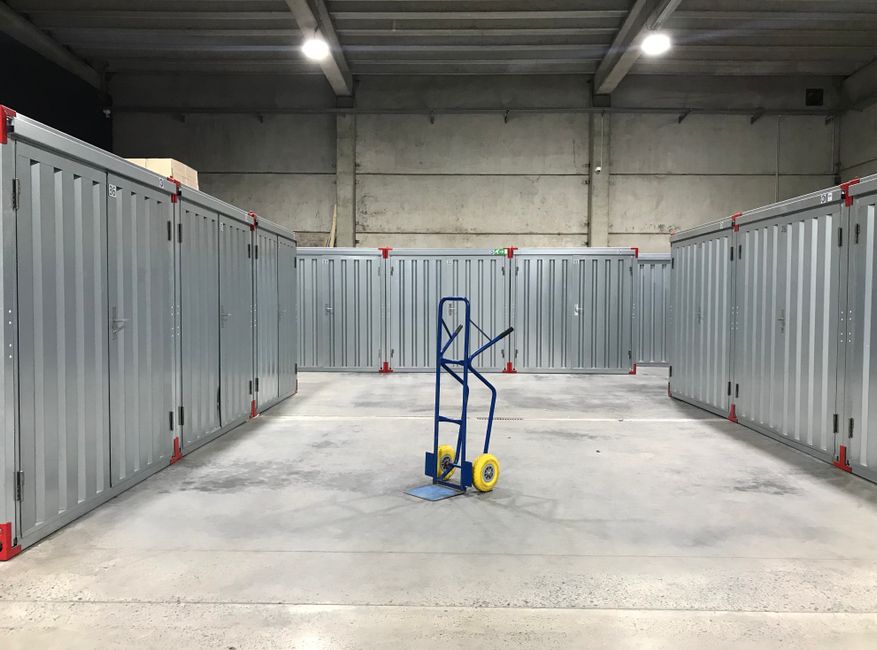
When you search for storage in Cleveland Ohio, you first evaluate location. You want a spot that sits close to your home or workplace, so you can drop off and pick up items without long drives. You compare several sites, noting their proximity to major roads and public transit. Next, you assess size options. You need a unit that fits your furniture, seasonal gear, or business inventory, but you also want to avoid renting more space than necessary. You examine the layout of each facility, ensuring the units are spacious enough to allow easy movement inside. You also verify that the facility offers both short?term and long?term rental plans, giving you flexibility if your storage needs change. When you visit, you ask about the variety of unit sizes and the ease of moving in and out. You check if the facility has a loading dock or a ramp to make loading heavy boxes simpler. Finally, you review the rental agreement. You read the terms carefully, confirming that there are no hidden fees or ambiguous clauses. By following these steps, you secure a unit that meets your space, convenience, and budget needs.

Security Features to Expect
Security is a top priority for anyone storing valuable items. You expect modern surveillance cameras to cover the entire perimeter, including driveways and loading areas. You look for gated access that requires a keycard or keypad entry, preventing unauthorized entry. Many facilities also employ motion?sensor lighting, which illuminates the parking lot after dark. You verify that the property is fenced and that gates lock automatically. You ask about alarm systems that trigger alerts if the facility is breached. You also check if the facility offers insurance or an optional coverage plan for stored items. You note that some sites provide on?site staff who monitor the property throughout the day. You appreciate facilities that conduct regular patrols, ensuring that every unit remains safe. By choosing a storage center with comprehensive security, you protect your belongings from theft, vandalism, and natural disasters.

Climate Control and Accessibility
The Cleveland climate can swing from hot summers to cold, snowy winters. You need a unit that protects your belongings from temperature extremes, humidity, and moisture damage. You look for climate?controlled units that maintain a stable temperature year?round. You confirm that these units are insulated and that the facility monitors humidity levels. You also check if the facility offers outdoor storage for items that do not require climate control, such as outdoor equipment or seasonal decorations. Accessibility is another factor. You want a facility that allows you to access your unit at convenient hours, especially if you work a regular schedule. You inquire about 24?hour access or extended hours that accommodate early mornings or late evenings. You also ask if the facility offers online reservations or a digital key system, which simplifies the process of moving in and out. By ensuring proper climate control and flexible access, you keep your items in optimal condition and maintain your peace of mind.

Cost Tips and Moving Tips
Storage costs vary based on unit size, duration, and location. You start by comparing rates from different facilities, noting any discounts for long?term rentals or referrals. You ask about additional fees, such as delivery charges or late?payment penalties, so you can budget accurately. You also explore payment options, such as monthly or quarterly plans, and check if the facility accepts online payments for convenience. When you move, you save money by packing items efficiently. You use sturdy boxes, seal them tightly, and label each one clearly. You stack boxes in a way that maximizes space while keeping heavier items at the bottom. You disassemble large furniture, wrapping each piece in protective material to avoid scratches. You use dollies or hand trucks to transport heavy boxes, reducing the risk of injury. Finally, you keep a moving checklist, ensuring that every item is accounted for before you leave your home. By planning ahead and staying organized, you reduce costs and make the storage experience smoother.

Choosing a storage facility that matches your needs, prioritizing security, ensuring climate control, and managing costs effectively will keep your belongings safe and accessible in Cleveland Ohio.

Tips for The Average Joe

Interesting Research on – What No One Ever Told You

A Beginners Guide To

A Beginners Guide To

Understanding US Dealer Licensing: A Comprehensive Guide

The Licensing Process

You begin by selecting the appropriate state for your dealership. Each state issues its own dealer licenses, and the application process varies from one jurisdiction to another. You gather the required documents, which usually include proof of a permanent business address, a valid sales tax identification number, and a signed declaration of intent to comply with all applicable laws. You then submit a formal application to the state department of motor vehicles or equivalent agency, paying the associated fee. Once your application is reviewed, the agency schedules a site inspection. During the inspection, you must demonstrate that your premises meet all safety and signage requirements. If the inspector approves your facility, the agency issues your dealer license, allowing you to legally sell vehicles within that state. You must keep your license active by renewing it on time and following any additional reporting requirements.

Key Requirements for Dealers

You must maintain a permanent business location that is open to the public. This location cannot be a home office or a temporary storefront; it must have adequate space for displaying inventory, completing sales paperwork, and housing customer service areas. You also need a secure storage area for vehicles and a dedicated office space for administrative tasks. You must display required signage, such as a dealer sign with your license number, in a visible location. You are required to carry liability insurance that covers both your business operations and the vehicles you sell. You must register with your state’s motor vehicle department for a sales tax permit and collect and remit sales tax on all transactions. You must also comply with federal regulations, such as the Truth in Lending Act and the Fair Credit Reporting Act, when financing vehicles for customers.

Common Pitfalls to Avoid

You often overlook the importance of proper record-keeping. You must keep detailed records of every vehicle sale, including the vehicle identification number, purchase price, and any financing agreements. You must also maintain accurate inventory logs and reconcile them with your physical stock regularly. You frequently neglect to update your license when you relocate or expand your dealership. You must notify the licensing authority of any changes to your business address, ownership structure, or contact information promptly. You sometimes fail to renew your license on schedule, risking suspension or revocation. You must monitor renewal deadlines and submit all required documentation before the deadline. You also risk penalties by ignoring state advertising regulations. You must ensure all marketing materials comply with state guidelines regarding vehicle pricing, warranties, and financing terms.

Maintaining Compliance Over Time

You stay compliant by conducting annual inspections and submitting required reports on time. You schedule routine audits of your inventory to verify that your records match the actual vehicles on your lot. You keep up with changes in state and federal laws, such as new consumer protection statutes or updated safety standards. You invest in training for your staff on ethical sales practices and legal obligations. You implement a system for monitoring your sales tax remittance and ensure that you file returns accurately each quarter. You maintain a comprehensive insurance policy that covers liability, property damage, and theft. You also establish a dispute resolution process for handling customer complaints, which helps prevent legal action and protects your reputation. By staying vigilant and proactive, you keep your dealership operating smoothly and legally, building trust with customers and regulators alike.

Case Study: My Experience With

3 Tips from Someone With Experience

A Simple Plan For Investigating

A Simple Plan For Investigating

Maximizing Efficiency with Abs Modules in Your Development Workflow

What Are Abs Modules
Abs modules represent a way to group related Python files into a single, reusable package. You treat each module as a self?contained unit that performs a specific set of functions or defines a particular set of classes. By placing those files together, you give your code a clear namespace and make it easy to import the whole collection with a single statement. The keyword “abs modules” appears throughout this guide because mastering this concept can transform the way you structure projects.

Why You Should Adopt Abs Modules
When you break a large codebase into smaller, purpose?driven pieces, you reduce duplication and simplify maintenance. You avoid copying the same utility functions across multiple scripts; instead, you import the same abs module wherever the functionality is needed. This approach also speeds up onboarding for new team members, because they can explore a well?named module and instantly understand its responsibilities. In addition, you gain the ability to version each module independently, allowing you to roll out updates without disrupting unrelated parts of the system.

How Abs Modules Work Under the Hood
Python treats a directory that contains an __init__.py file as a package. When you import the package name, Python executes the __init__.py file and makes all sub?modules available under that namespace. You create the package by making a folder, adding __init__.py, and then placing your .py files inside. For example, a folder called analytics with files data_loader.py, transformer.py, and visualizer.py becomes an abs module you can import with?import analytics. The import statement loads the entire package, giving you direct access to each component.

Creating Your First Abs Module
Start by identifying a logical grouping of codeperhaps all database utilities or all image?processing helpers. Create a new directory named after that purpose, such as db_utils, and place an empty __init__.py file inside. Then move the related .py files into the folder. Adjust any import statements in your existing scripts to reference the new package, for instance?from db_utils import connection. By following this pattern, you turn scattered scripts into a coherent library that you can reuse across projects.

Integrating Abs Modules Into Your Daily Workflow
Treat each abs module as a building block for larger applications. When you begin a new project, list the modules you already own and import them at the top of your main script. Use clear, descriptive names for functions inside each module so that you can call them without ambiguity. For example, call db_utils.connection.open() rather than a generic open(). This practice keeps your code readable and reduces the mental overhead of remembering where each piece lives.

Best Practices for Maintaining Clean Abs Modules
Keep each module focused on a single responsibility; avoid mixing unrelated logic in the same package. Adopt a naming convention that reflects the module’s purpose, such as auth_handlers for authentication?related code. Document public functions with docstrings so that teammates can quickly understand expected inputs and outputs. Regularly review the module’s contents and extract any code that no longer fits the original intent. By staying disciplined, you prevent the dreaded “god package” that tries to do everything.

Testing and Validating Your Abs Modules
Write unit tests that target each function inside the module. Place those tests in a separate test directory that mirrors the package structure, for example test/db_utils/test_connection.py. Run the tests with a framework like unittest or pytest, and watch the results for failures. Because each module is self?contained, you can execute its test suite in isolation, which speeds up the feedback loop. When you add new features, update the corresponding tests to maintain coverage.

Real?World Scenarios Where Abs Modules Shine
1. You develop a suite of data?validation utilities that need to run in multiple ETL pipelines. By packaging them as an abs module, each pipeline imports the same reliable code base.
2. Your team builds several microservices that share authentication logic. A single auth_module package ensures consistent token handling across services.
3. You create a collection of command?line tools for system administration. Grouping them into an abs module lets you distribute the tools as one installable package.

Conclusion: Take Control of Your Codebase with Abs Modules
By converting scattered scripts into well?structured abs modules, you gain clarity, reusability, and speed. You reduce the chance of bugs caused by duplicated logic, and you empower collaborators to work with a shared, documented interface. Start today by identifying one area of your project that could benefit from modularization, create the package, and watch how the new organization improves both development velocity and code quality. The effort you invest now pays off in smoother releases, easier debugging, and a more maintainable code ecosystem.

Getting Creative With Advice

5 Takeaways That I Learned About

Finding Ways To Keep Up With

Finding Ways To Keep Up With

Moving Made Easy: Your Guide to Uhaul Cleveland Ohio

Why Uhaul Cleveland Ohio Stands Out
You discover that Uhaul Cleveland Ohio offers a network of locations that match your schedule and budget. You walk into a clean facility, see a wide range of trucks, and receive friendly assistance from staff who know the local streets. You benefit from the convenience of multiple drop?off points across the city, allowing you to pick up a vehicle in one neighborhood and return it in another without extra hassle. This flexibility saves you time and reduces the stress that often accompanies a move.

Planning Your Move Step by Step
You start by creating a checklist that covers every task from packing to loading. You allocate 2?3 days for sorting belongings, labeling boxes, and securing fragile items. You reserve a truck online, entering the pick?up date, drop?off date, and preferred size. You receive a confirmation email that includes the reservation number, mileage estimate, and any optional equipment such as dollies or moving blankets. By following this structured plan, you avoid last?minute scrambling.

Choosing the Right Truck Size
You compare the dimensions of your furniture with the cargo space of each truck model. A 10?foot truck holds a studio apartment’s essentials, while a 26?foot truck accommodates a four?bedroom home. You measure large items like a sectional sofa and a king?size mattress, then match those measurements to the truck’s interior specifications listed on the Uhaul Cleveland Ohio website. Selecting the appropriate size prevents overpaying for unused space and ensures a smooth loading process.

Packing Tips That Save Money and Space
You gather sturdy boxes, packing tape, and bubble wrap before you start. You fill each box to about 80 percent capacity, leaving room for cushioning material. You label boxes with numbers and room designations, creating a simple system that guides the unloading crew. You wrap furniture in moving blankets, secure them with straps, and place them against the truck walls to maximize stability. These active steps reduce the risk of damage and lower the chance of extra fees.

Loading Techniques for Efficiency
You position the heaviest items, such as appliances and dressers, near the front of the truck to maintain balance. You slide boxes onto a dolly, then roll them into the cargo area, stacking them in a pyramid shape that distributes weight evenly. You secure each layer with ratchet straps, tightening them as you go. By moving methodically, you finish loading faster and keep the truck’s center of gravity low, which improves handling on Cleveland’s hilly streets.

Navigating Cleveland’s Roads with Confidence
You study the city’s main arteries, noting that Interstate 90 and Interstate 71 intersect near the downtown area. You plan routes that avoid rush?hour congestion, opting for side streets like Euclid Avenue during peak times. You use a GPS device that updates traffic conditions in real time, allowing you to reroute around accidents or construction zones. This proactive approach keeps you on schedule and reduces fuel consumption.

Returning the Truck Without Penalties
You schedule the drop?off time at least 30 minutes before the agreed deadline. You inspect the vehicle for any new dents or scratches, then clean the interior to remove debris. You refuel the truck to the level indicated on the rental agreement, usually a quarter tank, to avoid refueling charges. You hand over the keys, sign the receipt, and receive a final invoice that reflects the mileage you drove, which you can verify against the odometer reading.

Saving Money with Additional Services
You explore optional services such as moving kits, which include boxes, tape, and packing paper at a discounted rate. You consider purchasing insurance coverage that protects your belongings in case of accidents, especially if you transport valuable items like electronics or artwork. You also look into discount codes that apply to weekend rentals, which can lower the overall cost by up to 15 percent. These choices let you customize the experience while staying within budget.

Tips for a Stress?Free Unpacking Experience
You unload the truck by placing each box in the room indicated on its label, which speeds up the organization process. You unpack essential items first, such as kitchenware and bedding, to make your new home functional quickly. You assemble furniture in a logical order, starting with the bed frame and ending with decorative pieces. You dispose of packing materials responsibly by recycling cardboard boxes at a local facility. By following these steps, you transform a chaotic move into a manageable transition.

Your Next Steps with Uhaul Cleveland Ohio
You review the checklist one final time, confirming that you have all necessary documents, keys, and contact numbers. You set a reminder on your phone for the pick?up and drop?off times, ensuring you never miss an appointment. You share your experience with friends or family who plan to move, recommending the resources that helped you succeed. By taking control of each phase, you turn the moving process into an empowering journey rather than a daunting chore.

5 Key Takeaways on the Road to Dominating

5 Lessons Learned: