The Essentials of – 101
The Essentials of – 101

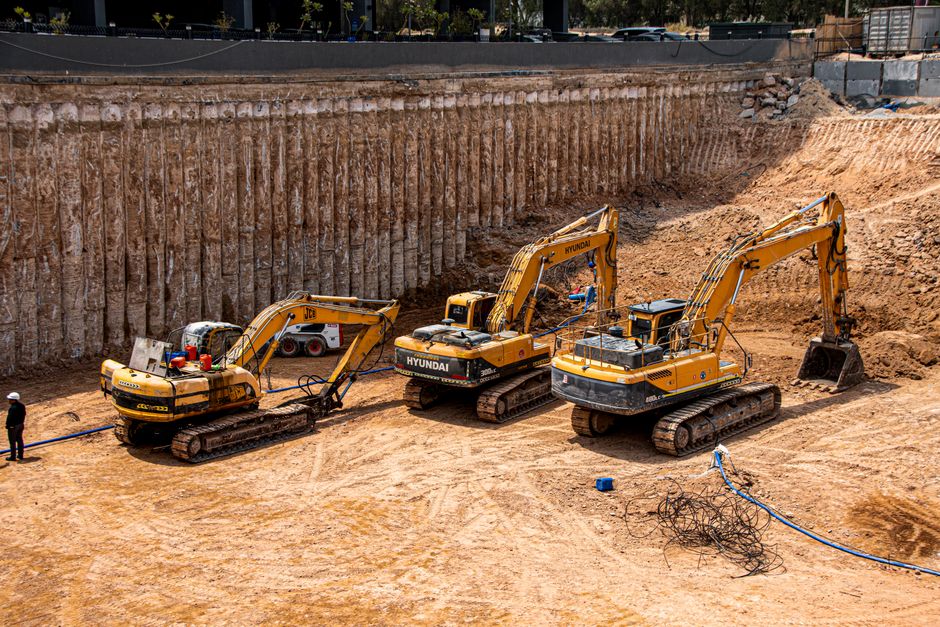
Excavation Services Sanford ME: Essential Guide for Property Owners

When planning a construction, landscaping, or utility installation project, understanding the scope of earthmoving work required is critical. Whether you are building a new residential home, expanding a commercial facility, or installing a complex drainage system, professional excavation services form the literal foundation of your project’s success. Property owners in York County often encounter unique geological challenges, making it vital to work with experienced professionals who understand local soil compositions, frost lines, and municipal regulations.

Securing reliable excavation Sanford ME professionals ensures that your land is prepared safely and efficiently, minimizing the risk of structural failure or water damage down the line. This comprehensive guide explores what you need to know about site preparation, utility trenching, grading, and how to choose the right contractor for your specific property needs.

Understanding the Importance of Professional Site Preparation

Before any physical construction can begin, the land must undergo thorough preparation. Site preparation is far more than simply clearing away trees and surface debris. It involves stripping topsoil, removing stubborn tree stumps, and clearing heavy vegetation to establish a stable working surface.

In Maine, the freeze-thaw cycle poses significant challenges to building foundations. Without proper site clearing and soil compaction, shifting earth can compromise the stability of foundations, driveways, and retaining walls. Professional excavation teams utilize heavy machinery, including excavators, bulldozers, and skid steers, to clear lots precisely and safely. This initial phase sets the stage for accurate measurements and prevents costly delays during the subsequent building phases.

Comprehensive Excavation Sanford ME Services for Every Project

Different projects require specialized earthmoving techniques. Hiring a versatile contractor guarantees that all phases of subterranean work are handled seamlessly. Key services typically include:

Foundation Digging: Excavating precise depths and dimensions for basements, crawl spaces, and slab foundations while adhering to local engineering specifications.

Land Grading and Leveling: Shaping the terrain to ensure proper positive drainage, directing stormwater away from structures to prevent basement flooding and soil erosion.

Utility Trenching: Digging safe, regulated trenches for underground water lines, electrical conduits, sewer systems, and telecommunication cables.

Demolition and Debris Removal: Safely tearing down old structures, concrete slabs, or outbuildings and hauling away the resulting debris from the site.

Each of these services requires specialized equipment and technical expertise to execute safely without damaging surrounding properties or existing underground infrastructure.

Navigating Permits, Utilities, and Regulations

Before breaking ground on any property, adherence to local and state regulations is mandatory. In Sanford and the surrounding regions, property owners must secure the appropriate permits before earthmoving activities commence. Failing to obtain permits can result in project shutdowns and heavy fines.

Furthermore, safety is paramount when working beneath the surface. Contractors must coordinate with utility locator services to mark all underground gas, water, electric, and communication lines before operating heavy machinery. This crucial step prevents dangerous utility strikes, service interruptions, and costly repairs. Experienced contractors handle these administrative and safety protocols on your behalf, ensuring that your project remains fully compliant with municipal codes and environmental guidelines from start to finish.

Selecting the Right Contractor for Your Land

Choosing a qualified contractor requires careful evaluation of their experience, equipment fleet, and safety record. Look for professionals who carry comprehensive liability insurance and workers’ compensation coverage to protect your property against unforeseen accidents. Asking for references and reviewing past commercial or residential projects can also provide valuable insight into the contractor’s reliability, work ethic, and adherence to project timelines.

By prioritizing thorough planning, professional execution, and regulatory compliance, you can protect your investment and ensure that your property development proceeds without interruption. Proper earthwork guarantees long-term structural integrity, giving you peace of mind for decades to come.


The Art of Mastering

Smart Ideas: Revisited

How I Became An Expert on

How I Became An Expert on

# The Benefits of Storage Racks

Storage racks are one of the simplest yet most effective solutions for organizing space in homes, warehouses, offices, and retail environments. Their main purpose is to store items efficiently, but their benefits go far beyond basic organization. By making better use of available space, improving accessibility, and supporting safety and productivity, storage racks play an important role in both small and large settings. Whether used for books, tools, inventory, or household goods, they help create a cleaner and more functional environment.

One of the biggest advantages of storage racks is their ability to maximize space. Instead of spreading items across floors, desks, or shelves, racks allow users to store goods vertically. This is especially useful in places where floor space is limited. In homes, storage racks can help reduce clutter in garages, kitchens, and bedrooms. In warehouses, they make it possible to hold a large volume of products without expanding the building. This efficient use of space can save money and improve the overall layout of an area.

Storage racks also make items easier to find and access. When things are stored in a clear and structured way, users can quickly locate what they need without wasting time searching. This is valuable in busy workplaces, where speed matters, and in homes, where convenience is important. Organized racks can also reduce the chance of items being misplaced, damaged, or forgotten. By keeping products visible and accessible, they support smoother daily routines and more efficient work processes.

Another important benefit is improved safety. Loose items on the floor or stacked carelessly can create hazards, such as tripping, falling, or damaging goods. Storage racks help keep objects secure and stable. In industrial settings, properly installed racks can prevent accidents and protect workers from unnecessary risk. In homes, they help keep dangerous or heavy items out of the way of children and pets. A well-organized storage system contributes to a safer environment overall.

Storage racks are also highly versatile. They come in many shapes, sizes, and materials, making them suitable for different needs. Some are designed for heavy-duty industrial use, while others are made for lightweight household storage. Adjustable racks can be customized to hold items of different sizes, which adds to their usefulness. This flexibility makes them a practical investment for a wide range of users. No matter the purpose, there is usually a rack system that fits the task.

In addition to organization and safety, storage racks can improve productivity. In business environments, workers spend less time looking for supplies and more time completing tasks. This can lead to better workflow and faster operations. In retail stores, attractive and well-arranged racks can also improve the customer experience by making products easier to browse. Efficient storage systems support better performance and help maintain order in fast-paced environments.

Storage racks can also protect items from damage. When goods are stacked improperly, they may become bent, broken, or exposed to moisture and dirt. Racks keep items elevated and separated, reducing these risks. This is especially important for fragile products, documents, tools, and inventory that must remain in good condition. By preserving the quality of stored items, racks can save money and reduce waste over time.

Overall, storage racks are a practical and valuable solution for improving space management, safety, accessibility, and efficiency. Their ability to adapt to different environments makes them useful in many situations. Whether for personal, commercial, or industrial use, storage racks help create order and make spaces more effective.

5 Takeaways That I Learned About

If You Think You Understand , Then Read This

The Essentials of – 101

The Essentials of – 101

Excavation Planning Sets the Stage for Successful Construction

When you launch a construction project, the ground beneath your feet determines whether the build will progress smoothly or stumble early on. Excavation removes unwanted material, creates space for foundations, and establishes the level surface that supports every later activity. By treating excavation as a strategic planning step rather than a simple digging task, you protect your budget, keep your schedule on track, and lay a solid base for the structure you envision.

Understanding the soil that holds your site together guides every decision you make during excavation. Clay soils cling tightly and can collapse if you remove them too quickly, while sandy soils drain easily but may shift under load. Rocky ground demands stronger equipment and slower progress to avoid damaging machinery. You begin by sampling the earth at several points, noting texture, moisture, and load?bearing capacity. Those observations let you match the right digging technique to each zone, reducing the chance of unexpected setbacks.

Once you know the soil, you shape the site to meet the design’s elevation and drainage requirements. You mark the outline of foundations, utility trenches, and any retaining walls before the first scoop hits the ground. By grading the area gradually, you guide rainwater away from future structures and prevent water pooling that could weaken the base. This step also reveals hidden obstacles such as old footings or buried debris, giving you the chance to reroute work before costly rework occurs.

Protecting the surrounding environment becomes part of your excavation routine as you keep nearby water bodies, vegetation, and wildlife safe from disturbance. You install temporary barriers to keep sediment from washing into streams, and you lay down protective mats to preserve existing plant life. When you divert runoff into sediment traps, you reduce turbidity in nearby creeks and stay compliant with local regulations. These actions not only safeguard nature but also avoid fines that could derail your timeline.

Collaboration with architects, engineers, and contractors turns your excavation plan into a shared roadmap. You hold a kickoff meeting where you walk the team through the site layout, explain the sequence of digging, and outline safety expectations. By keeping everyone informed, you eliminate miscommunication that often leads to rework, such as digging a trench that conflicts with an already placed utility line. Regular check?ins let you adjust the plan on the fly, accommodating design changes without losing momentum.

Choosing the right equipment amplifies efficiency and safety on the job site. You select backhoes for shallow cuts, excavators for deeper foundations, and trenchers when you need precise, narrow channels for utilities. Before you start, you conduct a safety briefing that covers site fencing, clear signage, and the use of personal protective equipment. You assign a spotter to watch for underground utilities and to alert operators of any ground movement, ensuring that each scoop proceeds without incident.

After the earth is moved, you verify that the ground meets the standards required for construction. You compact the soil in layers, testing each layer with a roller or plate to achieve the density specified by the engineer. You run a level across the prepared area to confirm that the surface remains even and that slopes match the design intent. By performing these checks yourself, you catch imperfections early, allowing you to correct them before foundations are poured.

In the end, treating excavation as a disciplined, well coordinated phase transforms a potential obstacle into a foundation for success. You assess soil, shape the site, protect the environment, align your team, select appropriate machinery, and validate the finished grade. Each of these actions builds on the previous one, creating a seamless flow from raw ground to ready foundation. When you give excavation the attention it deserves, you set your entire construction project on a path toward timely completion and lasting quality.

Lessons Learned from Years with

If You Read One Article About , Read This One

Tips for The Average Joe

Tips for The Average Joe

Exploring Sand Acton Maine: A Coastal Gem Worth Discovering

Geographic Overview and Natural Beauty
Sand Acton sits along the rugged eastern shoreline, where the Atlantic Ocean meets dense pine forests. The town’s coastline features sweeping sandy beaches that stretch for miles, offering panoramic views of gulls gliding above the waves. The surrounding topography includes rolling dunes and freshwater ponds that reflect the clear, crisp skies typical of Maine’s maritime climate. As you walk along the shoreline, you will notice the subtle shift from sandy flats to rocky coves, each presenting unique textures and habitats. The natural scenery here provides a tranquil backdrop that invites quiet contemplation or energetic exploration.

The area’s natural beauty also supports diverse wildlife. You will encounter a variety of shorebirds during migration seasons, while the nearby wetlands shelter amphibians and small mammals. The tide pools along the rocky edges reveal hidden marine life, from starfish to tiny crabs. Seasonal changes paint the landscape with vibrant colors, making every visit a distinct visual experience. The combination of sandy expanses, forested cliffs, and tidal ecosystems creates an environment that feels both wild and welcoming.

Historical Roots and Cultural Highlights
The settlement of Sand Acton dates back to the early 19th century, when fishermen and traders first recognized the strategic location of its natural harbor. Over time, the community grew around a modest fishing industry, which still echoes in local traditions and culinary offerings. You will find that the town’s historical sites, such as the original wharf and a preserved maritime museum, chronicle the evolution of coastal life in this region. These landmarks offer a tangible connection to the past and provide context for the modern community’s identity.

Culturally, Sand Acton celebrates its heritage through annual festivals that showcase local music, storytelling, and artisanal crafts. The town’s community center hosts workshops where you can learn traditional fishing techniques or explore regional folklore. The blend of history and contemporary culture gives visitors a rich, immersive experience. By engaging with locals and participating in these events, you gain a deeper appreciation for the resilience and creativity that define the town’s spirit.

Outdoor Activities and Adventure Opportunities
If adventure appeals to you, Sand Acton offers a variety of outdoor pursuits. You can hike along coastal trails that wind through dunes and pine groves, providing both moderate exercise and stunning vistas. Kayaking along the calm inlet allows you to explore hidden coves and observe marine life up close. During the warmer months, surfing enthusiasts can ride the Atlantic’s waves, while winter visitors might enjoy cross-country skiing on the frozen shoreline.

For those who prefer a quieter pace, birdwatching and photography are rewarding activities. The migratory paths that cross the region attract a wide array of species, offering ample opportunities to capture vivid images. Additionally, the town’s fishing regulations encourage sustainable practices, allowing you to catch fresh seafood responsibly. Whether you seek adrenaline or serenity, Sand Acton’s diverse landscape accommodates a wide range of interests.

Practical Travel Tips and Local Insights
Planning a trip to Sand Acton requires attention to a few practical details. The town’s primary access point is via a scenic coastal highway that offers frequent rest stops and viewpoints. During peak tourist seasons, it is advisable to arrive early to secure parking and avoid crowds at popular attractions. The local visitor center provides up-to-date information on weather conditions, tide schedules, and recommended routes.

When staying overnight, consider accommodations that blend comfort with a sense of place. Many lodging options feature ocean views and locally sourced furnishings, enhancing your connection to the environment. Dining options emphasize fresh, regional ingredients, with seafood dishes that reflect the town’s maritime roots. By embracing local products and services, you support the community while enjoying an authentic culinary experience. Lastly, remember to respect the natural surroundings: follow marked trails, practice responsible waste disposal, and observe wildlife from a respectful distance.

Questions About You Must Know the Answers To

If You Read One Article About , Read This One

Lessons Learned from Years with

Lessons Learned from Years with

Maximizing Space with Used Pallet Racking in Atlanta GA

Understanding Pallet Racking Basics

Pallet racking systems provide a structured solution for storing goods efficiently. They allow you to stack items vertically, which saves valuable floor space and improves inventory organization. When you select a pallet racking system, you must consider the weight capacity, the size of the pallets, and the layout of your warehouse. Each rack must support the load without compromising safety, so choosing the right height and beam spacing is essential. By aligning the racking design with your storage needs, you can reduce handling time and improve overall workflow.

You will also need to evaluate the type of pallet racking that suits your inventory. There are several configurations, such as drive-in, push-back, and pallet flow. Each offers distinct advantages depending on how often you access items and the variety of products you store. Drive-in racks allow deep storage and reduce aisle width, while push-back racks provide quick retrieval of items from the back of the rack. Pallet flow racks use gravity to move pallets, making them ideal for high-turnover goods. By understanding these options, you can make a decision that balances cost, space, and operational efficiency.

Benefits of Choosing Used Systems

Used pallet racking offers several advantages over new installations. First, the cost savings are significant. A used system can be up to 50% cheaper than a brand?new setup, allowing you to allocate budget to other critical areas such as inventory management software or staff training. Second, used racks often come with a proven track record. They have already been tested in real warehouse environments, which reduces the risk of unforeseen maintenance issues. Third, the environmental impact is lower. Reusing existing racking materials reduces waste and supports sustainability initiatives.

Moreover, used pallet racking can be customized more readily. Since you are not tied to a manufacturer’s standard design, you can adapt the layout to fit irregular floor plans or unique product dimensions. This flexibility ensures that you make the most of every square foot in your storage facility. Additionally, many suppliers offer refurbishment services, which can extend the life of the racks and enhance safety features without the expense of new equipment.

Finding Reliable Suppliers in Atlanta

Locating a dependable supplier in Atlanta is crucial for a smooth acquisition process. Look for vendors that specialize in industrial equipment and have a strong reputation for customer service. A reputable supplier will provide detailed product specifications, safety certifications, and a clear inventory of available units. They should also offer inspection services to verify the condition of each rack before purchase. By conducting a thorough assessment, you can avoid costly repairs or replacements down the line.

When evaluating potential suppliers, consider the logistics of delivery and installation. A local vendor can reduce transportation costs and deliver the racks directly to your site, minimizing downtime. Additionally, a supplier that offers on?site support can assist with the assembly and integration of the racking system into your existing infrastructure. By choosing a partner that prioritizes quality and convenience, you ensure that the entire process from purchase to deployment is efficient and reliable.

Installation and Safety Tips

Proper installation is essential for both performance and safety. Begin by conducting a comprehensive site survey to identify any obstructions, such as columns or HVAC ducts, that could interfere with rack placement. Use this information to design an optimal layout that maximizes storage while maintaining clear access aisles. When assembling the racks, follow all manufacturer guidelines and ensure that each component is securely fastened. Regularly inspect the joints and connections to detect any signs of wear or damage.

Safety is paramount when working with pallet racking. Implement strict load limits and train staff on proper lifting techniques to prevent overloading. Install guardrails and anti?fall devices in high?rise areas to protect employees from falling objects. Conduct routine safety audits to verify compliance with local regulations and industry standards. By prioritizing safety, you protect your workforce and reduce the risk of costly accidents or equipment failures.

By carefully selecting, sourcing, and installing used pallet racking in Atlanta, you can achieve a highly efficient storage solution that saves money, space, and time.

5 Takeaways That I Learned About

The Essentials of – Getting to Point A

What Has Changed Recently With ?

What Has Changed Recently With ?

Crushed stone, a versatile and widely utilized material, offers a myriad of benefits across various industries and applications. Its widespread use stems from its inherent physical properties, economic advantages, and environmental considerations. Understanding these benefits reveals why crushed stone remains an indispensable component in modern infrastructure and construction.

One of the primary benefits of crushed stone lies in its structural integrity and load-bearing capabilities. Composed of fractured rock particles, it interlocks efficiently, creating a stable and durable base. This characteristic makes it ideal for use in road construction, where it forms the sub-base and base layers that support the asphalt or concrete pavement. The angular nature of crushed stone allows for excellent compaction, reducing the likelihood of settlement and increasing the overall lifespan of the road. Similarly, in railway construction, crushed stoneoften referred to as ballastprovides crucial support for ties and rails, distributing loads evenly and allowing for proper drainage.

Beyond its structural advantages, crushed stone offers significant drainage benefits. The irregular shapes and varying sizes of the particles create voids within the material, allowing water to percolate through efficiently. This prevents water accumulation, which can lead to erosion, frost heave, and structural instability in foundations and pavements. In landscaping, crushed stone is often used as a permeable surface for pathways, driveways, and drainage systems, effectively managing stormwater runoff and reducing the burden on municipal drainage infrastructure. Its ability to facilitate drainage also makes it a valuable component in filtration systems and as a backfill material for retaining walls, where it alleviates hydrostatic pressure.

Economically, crushed stone presents a cost-effective solution for a wide range of projects. It is a readily available natural resource, and its extraction and processing are generally less energy-intensive compared to manufactured materials. The localized availability of quarries in many regions reduces transportation costs, further contributing to its affordability. Its durability translates into lower maintenance requirements and longer service life for structures, leading to reduced long-term costs. Furthermore, the versatility of crushed stone minimizes the need for multiple specialized materials, simplifying procurement and construction processes.

Environmentally, crushed stone can offer several advantages when sourced and utilized responsibly. As a natural material, it avoids the chemical manufacturing processes associated with some synthetic alternatives. The use of recycled concrete and asphalt as aggregate further enhances its environmental credentials by diverting waste from landfills and conserving natural resources. Its ability to improve drainage can also contribute to healthier ecosystems by reducing surface runoff and promoting groundwater recharge. However, it is crucial to note that quarrying operations must be managed sustainably to minimize habitat disruption and landscape alteration.

Finally, the aesthetic versatility of crushed stone should not be overlooked. Available in various colors, sizes, and textures, it can be used to enhance the visual appeal of landscapes, gardens, and architectural designs. From decorative pathways and patios to gabion walls and water features, crushed stone can add a natural and rugged elegance to outdoor spaces. Its ability to complement different design styles, from rustic to contemporary, makes it a popular choice among landscape architects and homeowners alike.

In conclusion, the benefits of crushed stone are multifaceted, encompassing structural integrity, efficient drainage, economic advantages, and environmental considerations. Its fundamental role in civil engineering, construction, and landscaping underscores its importance as a foundational material. As infrastructure continues to develop and evolve, crushed stone will undoubtedly remain a cornerstone, providing reliable and sustainable solutions for a wide array of applications.

– Getting Started & Next Steps

Doing The Right Way

A Simple Plan:

A Simple Plan:

# The Importance of Professionals in Modern Society

Professionals play an important role in the development and progress of modern society. A professional is a person who has acquired specialized knowledge, skills, training, and experience in a particular field and uses them responsibly in their work. Professionals can be found in almost every area of life, including education, medicine, engineering, business, law, technology, agriculture, communication, and public service. Their knowledge and dedication help individuals, organizations, and communities achieve their goals.

One of the most important qualities of a professional is competence. Professionals are expected to understand their area of work and perform their duties effectively. For example, doctors need medical knowledge to treat patients, teachers need educational skills to guide learners, and engineers need technical knowledge to design safe and useful structures. Competence gives people confidence in the services they receive and helps ensure that tasks are completed correctly.

Professionalism also involves responsibility. A good professional understands that their actions can affect other people. They therefore take their duties seriously and make careful decisions. Responsibility means being punctual, meeting deadlines, following rules, protecting confidential information, and accepting the consequences of one’s actions. Responsible professionals can be trusted because they understand the importance of doing their work properly.

Another important characteristic of professionals is good communication. In the workplace, people often need to communicate with colleagues, customers, managers, and members of the public. Clear communication helps prevent misunderstandings and encourages cooperation. Professionals should be able to listen carefully, express their ideas respectfully, and respond appropriately to questions or concerns. Good communication can also create positive relationships and improve teamwork.

Ethics are equally important in professional life. Professionals are often placed in positions of trust, so they must act honestly and fairly. They should avoid corruption, discrimination, dishonesty, and conflicts of interest. Ethical behavior helps protect the reputation of both the individual and the organization. A professional should be guided not only by personal benefits but also by the interests of the people they serve.

Professionals must also be willing to learn throughout their careers. The world is constantly changing because of new technology, research, economic conditions, and social developments. Knowledge that is useful today may become outdated tomorrow. Continuous learning allows professionals to improve their abilities and remain effective. Attending training programs, reading, gaining new qualifications, and learning from experience are some many tasks require people to work together. A professional respects the contributions of others and understands that cooperation can produce better results Skilled professionals help provide essential services, create employment opportunities, develop businesses, solve problems, and introduce new ideas. Teachers educate future generations, healthcare workers protect public health, engineers build infrastructure, entrepreneurs create businesses, and technology specialists develop be encouraged to develop professional attitudes from an early age. Education is important, but academic qualifications alone are not enough. Honesty, discipline, confidence, respect, responsibility and development of society. Their knowledge, skills, responsibility, ethical behavior, communication, and willingness to learn enable them to provide quality services and solve important problems. Professionalism is not simply about having a job or possessing qualifications; it is about performing one’s duties with competence, integrity, and dedication. When professionals maintain high standards, they earn trust ways professionals can continue developing.

Teamwork is another essential part of professional life. Although individuals may have different responsibilities, many tasks require people to work together. A professional respects the contributions of others and understands that cooperation can produce better results. Good teamwork requires patience, respect, flexibility, and a willingness to help others.

Professionalism also contributes to national development. Skilled professionals help provide essential services, create employment opportunities, develop businesses, solve problems, and introduce new ideas. Teachers educate future generations, healthcare workers protect public health, engineers build infrastructure, entrepreneurs create businesses, and technology specialists develop solutions to modern challenges. Through their combined efforts, professionals contribute significantly to economic and social progress.

Young people should therefore be encouraged to develop professional attitudes from an early age. Education is important, but academic qualifications alone are not enough. Honesty, discipline, confidence, respect, responsibility, creativity, and hard work are also necessary for success. A person who combines knowledge with good character is more likely to become a valuable professional.

In conclusion, professionals are essential to the functioning and development of society. Their knowledge, skills, responsibility, ethical behavior, communication, and willingness to learn enable them to provide quality services and solve important problems. Professionalism is not simply about having a job or possessing qualifications; it is about performing one’s duties with competence, integrity, and dedication. When professionals maintain high standards, they earn trust and make a positive contribution to their workplaces, communities, and the wider world.

Why No One Talks About Anymore

Getting Creative With Advice

A Beginners Guide To

A Beginners Guide To

Unearthing History: Excavating Shapleigh ME

Understanding the Historical Context
You begin each excavation by researching the region’s past. You gather maps, old records, and newspaper archives that detail the development of Shapleigh. You focus on the town’s founding in the 1700s, its industrial growth, and the waves of migration that shaped its culture. You note the locations of early mills, churches, and burial grounds that may influence where you dig. You consult local historians and review archaeological reports from nearby sites. You synthesize this information to form a hypothesis about what layers of history lie beneath your chosen spot. You document your findings in a research log, ensuring future workers can build on your work.

You consider the legal and ethical implications of your dig. You verify that your site is not protected by state or federal regulations that require permits. You contact local authorities to obtain the necessary permissions and to learn about any restrictions on excavation. You respect the landowners’ wishes and coordinate schedules to minimize disruption. You outline a plan that balances thoroughness with stewardship, ensuring that your work honors the community’s heritage. You prepare contingency plans for unexpected discoveries, such as human remains or cultural artifacts. You remain vigilant about preserving the integrity of the site throughout the process.

You explore the environmental factors that influence dig conditions. You assess soil composition, noting areas of loam, clay, or sandy deposits that affect tool choice. You examine drainage patterns to anticipate water accumulation during rainy periods. You monitor vegetation cover, recognizing that roots can conceal or damage archaeological layers. You evaluate the impact of nearby roads and utilities that may pose hazards or require careful navigation. You develop a strategy to manage waste, ensuring that debris is removed responsibly. You establish clear safety protocols to protect workers from slips, trips, and other field hazards.

You plan your excavation schedule around seasonal weather. You choose spring or early fall when temperatures are mild and rainfall is moderate. You coordinate with local experts to avoid periods of high rainfall that could flood trenches. You allocate time for each phase of the dig, including trenching, sieving, and recording. You prepare a timeline that allows for unexpected delays caused by equipment failure or new discoveries. You maintain flexibility, adjusting plans as conditions evolve. You keep all stakeholders informed, ensuring transparency and collaboration throughout the project.

Preparing Your Excavation Site
You clear the site of debris and vegetation before you begin. You use a brush cutter to remove brush and a small tractor to level the surface. You mark the boundaries of your excavation with flags, ensuring you stay within the designated area. You stake out a grid system that will guide your trenching and recording. You establish a reference point that will remain constant throughout the dig. You set up a tent or shed for storage and a clean area for artifact handling. You organize your tools and supplies in a way that promotes efficiency and safety.

You prepare a detailed field plan that includes trench locations, depth goals, and recording methods. You draw the grid on paper or a digital device, labeling each square with coordinates. You decide how deep each trench will be, based on the stratigraphy you expect to encounter. You allocate space for a small laboratory area where you will sift and examine finds. You create a schedule for daily work, noting the number of workers and the tasks assigned. You ensure that all equipment is calibrated and ready for use before the first dig. You conduct a safety briefing with your crew, covering fall protection and tool handling.

You establish a system for recording data in the field. You use a standardized form that captures the location, depth, and context of each find. You write notes in a field notebook, describing soil color, texture, and any visible features. You photograph each layer as you excavate, using a camera that captures color and detail. You label each photograph with a unique identifier that matches the field notes. You maintain a chain of custody for artifacts, ensuring that each item can be traced back to its original context. You keep the data organized so that it can be easily

Interesting Research on – What You Didn’t Know

– Getting Started & Next Steps

5 Uses For

5 Uses For

Tips for Hiring an Excavation Service Provider in Shapleigh ME

Working on projects for construction needs require proper ground preparation. Digging and removing gravel are essential parts of construction process which should be done perfectly. Multiple equipment and skills will be required to ensure the excavation process is done well. Hiring an excavation service provider will make a difference owing to their vast knowledge in the use of appropriate equipment. The market today provides options when it comes to excavation dealers thus the need to ensure you settle on the ideal one. Since no company will give the same level of experience when doing excavation work, the choice you make would be crucial. The following article outlines useful guidelines to help in selecting an ideal excavation company in Shapleigh ME.

The first thing you will need to bear in mind when choosing an excavation dealer is experience. Good understanding about excavation process for your type of project is paramount when picking a dealer. It is important that you choose an excavation service provider with vast exposure in the industry. The company history will provide basis for understanding the dealer capacity to match your project excavation needs. Working with an experienced excavation company will make the work easier and efficient. To get quality excavation solutions ensure that you settle on experienced dealer in the market. An excavation company which has done similar projects before would be an ideal choice.

The next thing to ponder when choosing an excavation dealer is availability. The duration it takes for the company to move equipment to the site should be minimal. A local dealer who fits essential criteria to offer the requires excavation solutions would be the best choice. Completion rate is an important aspect to evaluate when choosing an excavation dealer for your project needs. It is important that you factor access to the excavation service provider to ensure smooth interaction. Engaging a reliable excavation service provider will ensure proper planning and organization of the project.

Again, you need to consider the rates when sourcing for an excavation service provider. The method of setting charges for excavation services may vary from one firm to another. It is important to consider the elements used in calculating the excavation cost. Comparing rates among different excavation dealers would be a key step toward finding an affordable option. Payment terms allowed by the excavation dealer you settle for should be ideal for your budget as well. Cost of hiring an excavation dealer should be factored in relation to other crucial elements for best fit.

Finally, to ensure quality work with limited liability ensure that you hire a certified excavation dealer. An ideal excavation service provider should meet industry regulations. The excavation company operators should be trained and certified to handle similar tasks. Checking around for a certified and insured excavation dealer will help reduce on the number of options to pick from. Credibility of the excavation dealer is paramount which makes credentials important. Working with certified excavation dealer will ensure quality solutions which meet industry standards.

Interesting Research on – Things You Probably Never Knew

Finding Parallels Between and Life

The Beginners Guide To (What You Need To Know To Get Started)

The Beginners Guide To (What You Need To Know To Get Started)

How New Pallet Racking Can Transform Your Warehouse Efficiency

When you step onto a busy warehouse floor, the first thing you notice is how the storage system shapes every movement. The arrangement of racks, aisles, and pallets dictates the speed at which you locate inventory, the safety of your staff, and the overall cost of operations. Introducing new pallet racking into this environment does more than add extra shelves; it reshapes the flow of goods, reduces handling time, and creates space for future growth. Understanding why the latest designs matter helps youHow New Pallet Racking Transforms Your Warehouse Efficiency

Warehouses face constant pressure to store more products in less space while keeping operations smooth. You notice that traditional shelving often leaves dead zones along walls and under ceiling beams, forcing you to shuffle inventory and waste valuable floor area. New pallet racking arrives as a solution that reshapes the entire decide when and how to upgrade without disrupting daily activities.

The most immediate benefit of new pallet racking lies in its ability to maximize vertical space. Traditional shelving often leaves unused height because older racks cannot support heavier loads at higher levels. Modern systems use stronger steel frames and engineered connectors that let you raise the top tier safely layout. By raising storage to the full height of the building, it frees up aisles for faster movement and creates clear pathways for forklifts. When you picture a warehouse filled with organized rows that reach the roof, you instantly see the potential for higher throughput and lower handling costs.

The first advantage of new pallet racking lies in its ability to maximize vertical space. You adjust each level to match the exact. By stacking pallets higher, you free up floor space for additional aisles or equipment. This extra room translates directly into faster forklift routes, fewer bottlenecks, and lower labor expenses. When you visualize the warehouse from above, the difference appears as a clearer grid of pathways rather than a maze of cramped rows.

Beyond height, the layout flexibility of contemporary racks influences how you organize product families. Adjustable beam heights let you customize each level to match the dimensions of the items you store. If you receive a new line of bulk goods, you simply height of your pallets, eliminating gaps that older systems leave behind. This flexibility lets you stack heavier loads on lower tiers while reserving upper tiers for lighter items, balancing weight distribution across the structure. As a result, you increase the number of pallets per square foot without compromising safety. A distribution center that once stored 5,000 pallets can often accommodate 7,000 or more after installing a modern racking system, simply by using the space that previously sat idle above the old racks.

Beyond space, the design of new pallet racking improves the flow of goods throughout the facility. You arrange aisles to follow natural traffic patterns, allowing forklifts to travel shorter distances between loading docks and storage zones. This reduction in travel time speeds up order picking and reduces fuel consumption. Workers also benefit from clearer sightlines; when you can see the next pallet from reposition the beams instead of ordering an entirely new rack system. This adaptability reduces the need for costly re?configurations later on. You also gain the ability to separate fast?moving SKUs from slower inventory, creating dedicated zones that speed up picking and replenishment. The result is a more intuitive flow that mirrors the way your team works, rather than forcing them to adapt to a rigid structure.

Another crucial aspect of new pallet racking is its impact on safety standards. Modern designs incorporate reinforced corners, anti?tip braces, and load?distribution features that keep racks stable even under heavy use. When you follow the manufacturer’s installation guidelines a distance, you avoid unnecessary stops and repositioning. Safety improves as well because the robust frames and reinforced beams keep loads stable even during high?speed maneuvers, giving you confidence that the system will hold up under daily stress.

Cost considerations often dominate the decision to upgrade, but new pallet racking delivers a strong return on investment. You calculate the savings from reduced labor hours, lower damage rates, and the ability to store more inventory without expanding the building footprint. The steel components resist corrosion and fatigue, extending the lifespan of the system for decades. You also find that many manufacturers offer modular designs that let you add or remove, you create a system that resists collapse during accidental impacts or uneven loading. Safer racks protect both employees and merchandise, which in turn lowers insurance premiums and reduces downtime caused by accidents. By investing in robust equipment, you demonstrate a commitment to a workplace where everyone feels secure.

Efficiency gains also stem from the ease of integration with technology. Many of today’s rack systems include built?in channels for barcode scanners, RFID readers, and lighting. When you align these tools with your inventory management software, you achieve real?time visibility of stock levels. For example, a scanner that reads a pallet’s tag as it moves onto a shelf instantly updates the database, eliminating manual entry errors. This seamless data flow improves order accuracy and shortens the cycle from receipt to shipment. The technology?ready nature of new pallet racking ensures that your warehouse stays compatible with future automation trends.

Cost considerations often raise questions about the timing of an upgrade. While the upfront investment sections as demand fluctuates, protecting you from over?investing in capacity you may not need right now.

Integration with technology further amplifies the benefits of new pallet racking. You pair the racks with barcode scanners or RFID readers mounted on forklifts, creating a real?time map of every pallet’s location. This data feeds directly into inventory management software, allowing you to locate items instantly and plan replenishment cycles with precision. When you combine the physical efficiency of the racks with digital visibility, you achieve a level of control that transforms the warehouse from a storage area into an intelligent logistics hub.

Choosing the right system begins with a clear assessment of your current layout, product mix, and growth projections. You measure ceiling height, floor load capacity, and the dimensions of your most common pallets. Next, you consult with a racking specialist who helps you design a configuration that aligns with your workflow and safety standards. After installation, you train staff on proper loading techniques and monitor performance metrics such as pick rate and space utilization. By following these steps may appear significant, the return on investment materializes quickly through reduced labor hours, lower damage rates, and improved space utilization. You can calculate the payback period by comparing the current cost per pallet movement with the projected reduction after installing higher, more flexible racks. In many cases, the savings offset the purchase price within a year or two. Moreover, the modular nature of modern racks allows you to expand incrementally, adding sections only when demand rises, which protects you from over?investing during slower periods.

When you plan the transition, start with a thorough assessment of your existing layout. Map out high?traffic zones, identify bottlenecks, and note any underused vertical space. Next, select a rack configuration that aligns with your product dimensions and turnover rates. Work closely with a supplier who offers on?site design services, ensuring that the new system fits your floor plan without sacrificing aisle width or forklift clearance. Finally, schedule installation during off?peak hours or in phases, so that you maintain operational continuity while the new racks go up.

In the long run, new pallet racking becomes more than a storage solution; it evolves into a strategic asset that supports growth, enhances safety, and drives profitability. By embracing the, you ensure that new pallet racking becomes a catalyst for lasting efficiency and profitability in your warehouse. latest designs, you empower your team to move faster, reduce errors, and adapt to changing market demands. The investment you make today builds a foundation for a warehouse that can handle tomorrow’s challenges with confidence. As you evaluate your options, remember that the right rack system does not merely hold palletsit elevates the entire operation.

The Art of Mastering

A 10-Point Plan for (Without Being Overwhelmed)