Browsed by
Category: Relationships

A Quick Overlook of – Your Cheatsheet

A Quick Overlook of – Your Cheatsheet

Selecting the Right Roof Company for Your Home

When it pertains to keeping and improving your home, among the most crucial elements is the roof covering. Not only does it serve as the first line of defense versus the aspects, but it also plays a substantial function in power effectiveness and visual charm. Therefore, choosing a reliable roof business is important to ensure that your roofing job is finished in a timely manner, within budget plan, and as much as industry criteria.

The initial step in locating the ideal roof firm is to perform detailed study. Start by looking for recommendations from buddies, household, or neighbors that have actually just recently had roof covering job done. Online evaluations and scores can additionally provide valuable understanding right into the top quality and reliability of potential specialists. Make a listing of companies that have a strong online reputation and experience in dealing with jobs comparable to your own.

Once you have a shortlist, it’s important to ask the right questions throughout the assessment process. Ask about their licensing, insurance policy, and warranty policies. A reputable roofing business should agree to offer evidence of their credentials and discuss the advantages of the materials and methods they make use of. Don’t be reluctant to request for referrals from previous clients; this can offer you a more clear image of the company’s work ethic and quality.

Furthermore, take into consideration the interaction skills of the roofing contractor. A reliable business will maintain open lines of communication, keeping you notified throughout the project. They should be responsive to questions and concerns, guaranteeing you feel confident in your choice. It’s also wise to get written estimates from numerous specialists, describing the rate, timeline, and scope of work to help compare alternatives successfully.

Finally, selecting the best roof firm calls for mindful consideration and research study. By looking for recommendations, asking the best concerns, and making sure clear communication, you can discover a credible professional that fulfills your needs. Investing the time in advance to select the ideal roof company can conserve you both frustrations and money over time, guaranteeing your home remains secured for years to come.

What Has Changed Recently With ?

5 Uses For

Discovering The Truth About

Discovering The Truth About

Discover the Benefits of Hiring a Professional Landscaping Company

In today’s fast-paced world, maintaining a beautiful lawn and garden can be a daunting task for homeowners. This is where a professional landscaping company comes in. From design to maintenance, these companies offer a wide range of services that can elevate your outdoor space and save you precious time. In this article, we will explore the various benefits of hiring a landscaping company and how it can transform your property’s curb appeal.

First and foremost, professional landscapers bring a wealth of knowledge and expertise to the table. They understand the nuances of different plant species, soil types, and climate conditions, allowing them to make well-informed decisions that ensure your garden thrives. With their experience, they can create customized designs that cater to your aesthetic preferences while maximizing functionality. Whether you desire a serene retreat, a vibrant flower garden, or a safe and spacious play area for children, a landscaping company can make it happen.

In addition to design capabilities, landscaping companies are equipped with the necessary tools and equipment to efficiently carry out their work. This means you won’t need to invest in expensive machinery or tools that may not be used frequently. From lawn mowers and trimmers to heavy-duty equipment for larger projects, professional landscapers have everything they need to complete jobs safely and effectively. This not only saves you money but also mitigates any potential injuries that could occur from using unfamiliar tools.

Furthermore, a professional landscaping service can offer ongoing maintenance, ensuring that your outdoor space stays in pristine condition throughout the seasons. Regular upkeep such as mowing, pruning, fertilizing, and pest control can quickly become overwhelming for busy homeowners. By outsourcing these tasks to experts, you can enjoy a beautifully landscaped yard without the stress of managing it yourself. This also helps prevent issues like overgrown vegetation and pest infestations, which can lead to costly repairs down the line.

In conclusion, hiring a professional landscaping company is an investment that pays off in numerous ways. It not only enhances the aesthetic appeal of your property but also provides you with the expertise, tools, and ongoing maintenance needed to preserve your landscape. Whether you’re looking to design a new garden or simply maintain your existing outdoor space, a landscaping company can help you achieve your goals while saving you time and effort. Embrace the beauty of your home and let the professionals take care of your landscaping needs!

Understanding

What I Can Teach You About

The Beginner’s Guide to

The Beginner’s Guide to

Choosing the Right HVAC Company for Your Needs
When it comes to maintaining a comfortable indoor environment, having a reliable HVAC (Heating, Ventilation, and Air Conditioning) system is crucial. Whether you need a new installation, routine maintenance, or urgent repairs, choosing the right HVAC company is essential for ensuring the efficiency and longevity of your system. With a myriad of options available, it can be challenging to find a provider that meets your specific needs and expectations.

The first step in selecting an HVAC company is to do your research. Start by asking friends, family, and neighbors for recommendations. Their firsthand experiences can provide valuable insights into the quality of service different companies offer. Additionally, online reviews and ratings on platforms like Google, Yelp, and Angie’s List can help you gauge a company’s reputation in the community. Look for companies with a solid track record and a high level of customer satisfaction.

Once you’ve narrowed down your options, it’s essential to inquire about licensing and certifications. A reputable HVAC company should be fully licensed to operate in your area and hold certifications from recognized organizations such as the North American Technician Excellence (NATE) or the Environmental Protection Agency (EPA) for refrigerant handling. These credentials demonstrate a commitment to quality service and adherence to industry standards, ensuring that the technicians have the necessary skills and knowledge to service your equipment effectively.

Moreover, consider requesting estimates from multiple HVAC companies before making a decision. This not only allows you to compare pricing but also gives you a chance to evaluate their level of professionalism and customer service. Be wary of any company that provides a quote without conducting a thorough assessment of your premises. A trustworthy contractor will always take the time necessary to understand your specific heating and cooling needs, leading to more accurate and fair pricing.

Finally, after you’ve made your choice, establish a good working relationship with your HVAC provider. Regular maintenance is fundamental for keeping your system running efficiently and prolonging its lifespan. A reliable HVAC company will offer maintenance agreements or service contracts, which can help you save on future repairs and ensure your system runs smoothly year-round. Choosing the right HVAC company today not only enhances your comfort but also protects your investment for years to come.

What Has Changed Recently With ?

Getting Creative With Advice

5 Takeaways That I Learned About

5 Takeaways That I Learned About

Understanding Life Insurance: A Comprehensive Guide
Life insurance is a crucial financial product that provides security and peace of mind to individuals and their families. It serves as a safety net, safeguarding loved ones from financial strain in the event of an untimely death. By paying a relatively small monthly premium, policyholders can ensure that their beneficiaries receive a lump sum payout, helping them cover living expenses, debts, and other obligations. However, understanding the intricacies of life insurance is essential for making informed decisions tailored to one’s personal and financial circumstances.

There are two main types of life insurance: term life insurance and whole life insurance. Term life insurance provides coverage for a specific period, usually ranging from 10 to 30 years. It is often more affordable, making it a popular choice for young families who may need significant coverage for a limited time. In contrast, whole life insurance offers coverage for the policyholder’s entire life, accumulating cash value over time. While it tends to have higher premiums, the added benefit of cash value can be advantageous for long-term financial planning.

Choosing the right life insurance policy involves several factors, including age, health, financial obligations, and future goals. It’s important to assess how much coverage is necessary by considering expenses such as mortgage payments, education costs, and daily living expenses. Additionally, individuals should review their existing insurance policies and financial portfolios to ensure that they align with their life insurance needs. Consulting with a financial advisor can provide personalized insights, helping you navigate the various options available and find a policy that suits your unique situation.

In recent years, advances in technology have made shopping for life insurance easier than ever. Online comparison tools allow consumers to evaluate different policies and quotes side by side, making it simple to find the best deals. Moreover, some companies have introduced innovative underwriting processes that streamline the application and approval phases, reducing the time it takes to secure coverage. As a result, more individuals are recognizing the importance of life insurance in their financial planning and taking proactive steps toward securing their loved ones’ future.

In conclusion, life insurance is an invaluable tool for financial security and planning. By understanding the different types of coverage available and assessing personal needs, individuals can make informed decisions that provide lasting benefits for their families. Whether you choose term or whole life insurance, the peace of mind that comes from knowing your loved ones are protected can be immeasurable. Ultimately, investing in life insurance is not just a financial decision but a commitment to safeguarding the well-being of those you cherish the most.

Lessons Learned About

A Simple Plan:

– My Most Valuable Advice

– My Most Valuable Advice

Understanding How an Oil Burner Pump Works in Heating Systems

When maintaining a residential or commercial heating system, understanding every component is essential for efficiency and safety. Among the most critical mechanical elements in an oil-fueled heating appliance is the oil burner pump. This specialized device ensures that fuel is delivered consistently from the storage tank to the burner nozzle under precise pressure, maintaining an optimal flame for steady heat generation.

Whether you are managing routine maintenance, troubleshooting a heating failure, or seeking to understand the mechanics behind your equipment, knowing how this pump functions helps prevent unexpected breakdowns. This guide explores the core functions, common maintenance needs, and operational principles of an oil burner pump.

What is an Oil Burner Pump and What Does It Do?

An oil burner pump is a positive displacement pump designed specifically to draw heating oil from an outside or basement storage tank and deliver it under high pressure to the burner assembly. Without this component, oil would not reach the combustion chamber efficiently.

The primary responsibilities of the system include lifting oil from the storage container, filtering out particulate matter through an internal strainer, and pressurizing the fuel. Proper pressurization is vital because it atomizes the oil as it exits the nozzle, turning liquid fuel into a fine mist. This mist mixes thoroughly with air to create clean, efficient combustion.

Key Components and Operating Principles

Most standard units utilize a gear-type mechanism driven directly by the burner motor. As the gears rotate, they create a vacuum that pulls oil through the supply line. A built-in pressure regulating valve controls the exact force applied to the fuel, typically maintaining levels between 100 and 150 pounds per square inch depending on the specific system specifications.

Modern units also feature a bypass plug configuration. This allows the system to operate on either a single-pipe or a two-pipe setup. In a single-pipe arrangement, oil is drawn from the tank, and excess fuel returns to the tank via a separate return line only in two-pipe configurations, while single-pipe setups rely on gravity or lift limitations without a return loop. Understanding your setup ensures correct fuel delivery without introducing air into the lines.

Common Signs of Pump Failure

Recognizing early warning signs of component wear can save property owners from costly emergency repairs during peak heating seasons. Because heating systems operate under demanding conditions, mechanical parts eventually experience wear and tear.

Unusual noises, such as loud squealing or grinding sounds, often indicate motor alignment issues or internal bearing wear within the pump housing. Pulsating flames or burner lockouts frequently point toward pressure fluctuations caused by a clogged internal strainer or a failing pressure regulating valve. Additionally, visible oil leaks around the shaft seal or fittings require immediate professional attention to eliminate fire hazards and maintain system efficiency.

Routine Maintenance Best Practices

Maximizing the lifespan of heating equipment requires adherence to a consistent maintenance schedule. Annual tune-ups performed by qualified technicians ensure that internal strainers are cleaned or replaced, couplings are inspected, and pressure levels are calibrated accurately.

Homeowners and facility managers should regularly inspect the area around the heating appliance for leaks, unusual odors, or operational interruptions. Keeping the surrounding area clean and ensuring that fuel filters are replaced regularly protects the sensitive internal gears from abrasive debris and sludge accumulation.

Conclusion

The oil burner pump remains a cornerstone of efficient oil-heating infrastructure. By ensuring consistent fuel delivery and precise atomization pressure, this component directly impacts overall heating performance and energy consumption. Prioritizing routine inspections and addressing minor performance issues early ensures reliable warmth and operational safety throughout the heating season.

Getting To The Point –

Getting Down To Basics with

Why No One Talks About Anymore

Why No One Talks About Anymore

Unlocking Precision: Custom Aluminum Extrusion in Michigan

Understanding Aluminum Extrusion

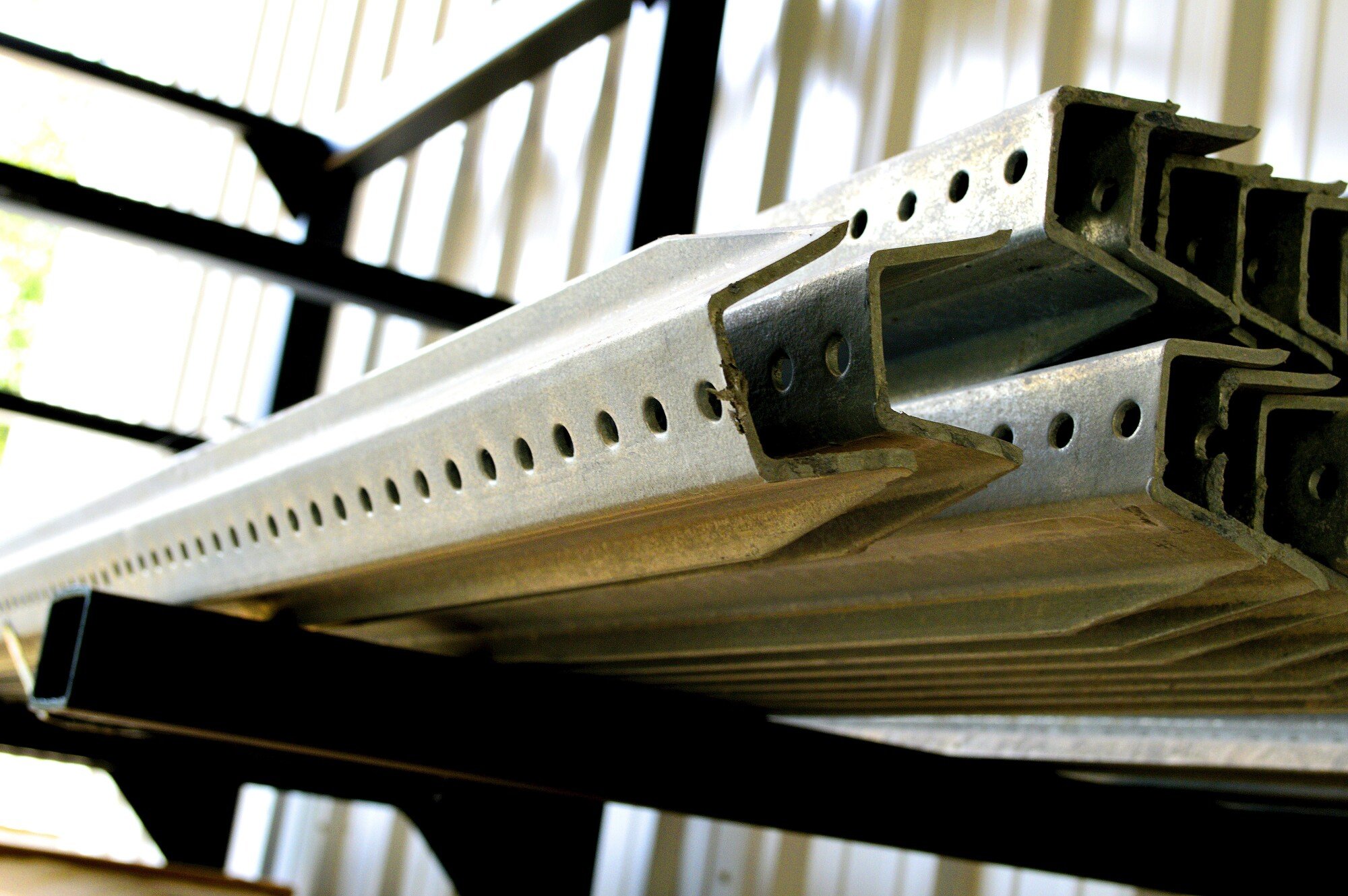
You begin by recognizing that aluminum extrusion transforms raw aluminum into complex, high-performance profiles. This process heats the metal to a semi-molten state before forcing it through a shaped die. The result is a seamless, repeatable profile that meets strict dimensional tolerances. You benefit from the material’s lightweight nature, corrosion resistance, and thermal conductivity, making it ideal for structural, automotive, and architectural applications.

The extrusion process offers remarkable versatility. You can create profiles ranging from simple square channels to intricate, multi-cavity shapes. Each die design tailors the cross?section to your exact specifications, allowing you to embed features like mounting holes, ribbing, or internal cavities. This flexibility reduces the need for secondary machining, cutting costs and streamlining production timelines.

When you choose extrusion, you also gain access to a wide range of alloy grades. Each alloy provides unique propertiessome prioritize strength, others thermal performance or weldability. By selecting the appropriate grade, you ensure that the final product satisfies your project’s mechanical and environmental requirements.

Tailored Design Capabilities

You can customize extrusion designs to fit your specific application needs. By working closely with experienced engineers, you can modify dimensions, add features, or incorporate complex geometries that would be impossible with standard off?the?shelf components. This collaborative approach ensures that every profile you receive aligns perfectly with your design intent.

Complex shapes become achievable when you leverage advanced die design and precision machining. You can create profiles with internal channels, cutouts, or varying wall thicknesses that enhance performance while keeping weight low. These custom solutions enable innovative product designs that stand out in competitive markets.

You also gain the ability to prototype quickly. By ordering short runs of custom extrusions, you can test performance, fit, and finish before committing to larger production volumes. This iterative process reduces risk and accelerates time to market, allowing you to refine your design based on real-world data.

Michigan’s Industrial Landscape

You operate within a state that boasts a robust manufacturing ecosystem. Michigan’s automotive and aerospace sectors drive demand for high?quality aluminum components. Local manufacturers rely on reliable extrusion partners to supply precise, cost?effective profiles that meet stringent industry standards.

You benefit from Michigan’s strategic location, which connects you to major transportation corridors. This accessibility shortens lead times and lowers logistics costs when sourcing raw materials or delivering finished products. The state’s well?developed supply chain infrastructure ensures that you receive consistent, high?grade aluminum billets ready for extrusion.

Moreover, Michigan’s skilled workforce and technical institutions provide a steady pipeline of talent. You can tap into local expertise for design, engineering, and quality control, fostering a collaborative environment that enhances product quality and innovation.

Choosing the Right Service Partner

You evaluate potential partners by examining their technical capabilities and track record. Look for facilities equipped with state?of?the?art extrusion presses, precision CNC machining, and advanced quality inspection systems. A partner that can handle a wide range of alloy grades and complex die designs will give you the flexibility you need for diverse projects.

You also scrutinize their quality assurance processes. A partner that implements rigorous testingsuch as dimensional inspections, material certification, and mechanical testingensures that every profile meets your specifications. Consistent quality reduces rework and warranty claims, protecting your bottom line.

You should consider their responsiveness and customer support. A partner that offers clear communication, transparent pricing, and flexible order volumes will streamline your procurement process. By building a strong partnership, you secure a reliable supply chain that adapts to your evolving production needs.

Maximizing Value Through Custom Extrusion

You can achieve significant cost savings by reducing the number of parts and assembly steps. Custom extrusions integrate multiple functions into a single component, eliminating the need for additional machining or fastening. This integration lowers labor costs and simplifies inventory management.

You also enhance product performance by optimizing material placement. By designing profiles with variable wall thickness or internal reinforcement, you can increase strength where it matters most while keeping weight low. These performance gains translate into better product reliability and customer satisfaction.

You should explore the possibility of modular designs. By creating a family of interchangeable extrusions, you can standardize parts across product lines, further reducing manufacturing complexity and costs. This approach also simplifies maintenance and replacement, extending product life cycles.

Environmental Considerations

You can improve sustainability by selecting recycled aluminum alloys. Recycled aluminum requires less energy to process, reducing your environmental footprint. Many extrusion partners offer certified recycled content, allowing you to meet green building standards or corporate sustainability goals.

You also reduce waste by utilizing extrusion’s inherent precision. Accurate profiling minimizes scrap material and ensures that every billet is used efficiently. This waste reduction aligns with lean manufacturing principles and can lower overall production costs.

You should assess the life?cycle impact of your extrusions. By choosing durable alloys and designs that resist corrosion, you extend product lifespan and reduce the need for replacements. This longevity supports long?term cost savings and environmental stewardship.

Future Trends in Aluminum Extrusion

You will encounter emerging technologies that further expand extrusion capabilities. Additive manufacturing techniques, such as 3D printing of aluminum alloys, complement traditional extrusion by enabling even more complex internal structures. By integrating these technologies, you can push the boundaries of design and performance.

You should stay informed about new alloy developments. Advances in high?strength, lightweight alloys open doors to applications that demand superior performance, such as electric vehicle chassis or high?speed rail components. By adopting these alloys early, you position your products ahead of market trends.

You may also leverage digital twins and simulation tools to optimize extrusion designs before production. By modeling stress, thermal behavior, and vibration, you can predict performance outcomes and refine designs iteratively, saving time and resources.

Conclusion

You can unlock the full potential of aluminum extrusion by embracing customization, leveraging Michigan’s manufacturing strengths, and partnering with skilled service providers. By focusing on design flexibility, quality assurance, and sustainability, you create products that meet demanding performance standards while staying cost?effective. Your strategic investment in custom extrusion services positions you for success in a competitive, rapidly evolving market.

What You Should Know About This Year

The Best Advice on I’ve found

What Has Changed Recently With ?

What Has Changed Recently With ?

Maximize Efficiency with a Used Belt Press Today

What Is a Used Belt Press?

A belt press is a heavy?duty machine that uses a continuous belt to apply high pressure to large sheets or rolls of material. When you purchase a used belt press, you acquire a proven piece of equipment that has already demonstrated reliability in a production environment. You can expect the same performance you would find in a new unit, but at a fraction of the cost. A used belt press typically features a robust frame, hydraulic or pneumatic cylinders, and a steel or composite belt that delivers uniform pressure across the entire work area. By selecting a used model, you gain access to a machine that has already undergone real?world testing, reducing the risk of hidden defects and ensuring that it can handle demanding tasks such as laminating, embossing, or coating large panels.

Benefits of Purchasing Second?Hand Equipment

Cost Savings and Faster Deployment

When you choose a used belt press, you avoid the high upfront expense associated with new equipment. The price difference can free up capital for other critical investments, such as upgrading software or expanding your production line. Additionally, you can acquire a ready?to?operate machine within days or weeks, rather than waiting months for a new unit to be delivered and installed. This rapid deployment helps you respond quickly to market demands and maintain competitive advantage.

Proven Reliability and Reduced Risk

Second?hand machines come with a documented history of operation. You can review service records, maintenance logs, and operating hours to gauge the equipment’s condition. By selecting a used belt press that has already proven its durability, you reduce the likelihood of costly downtime. You also benefit from a lower depreciation rate, as the machine’s value has already been partially realized, making it a more stable investment over time.

Eco?Friendly Choice

Purchasing used equipment aligns with sustainable business practices. By extending the life cycle of a belt press, you reduce waste and lower the environmental impact associated with manufacturing new machinery. This approach demonstrates corporate responsibility and can enhance your brand image among environmentally conscious customers.

Key Factors to Inspect Before Buying

Mechanical Integrity

You must inspect the frame, rollers, and belt for signs of wear, corrosion, or structural damage. Look for cracks, dents, or uneven wear patterns that could compromise pressure distribution. Verify that all hydraulic or pneumatic cylinders operate smoothly and that pressure gauges remain accurate. A well?maintained frame and components indicate a machine that has been cared for properly.

Electrical and Control Systems

Check the control panel for functionality, ensuring that all switches, sensors, and indicators respond correctly. Confirm that the motor and drives maintain consistent speed and torque. Inspect wiring harnesses for fraying or corrosion, and verify that safety interlocks operate as intended. A reliable electrical system reduces the risk of unexpected shutdowns and enhances operator safety.

Operating Hours and Maintenance History

Review the machine’s operating hours to gauge overall usage. A lower hour count often correlates with longer remaining life. Examine maintenance records for regular oil changes, belt replacements, and component overhauls. A detailed log demonstrates that the previous owner performed routine upkeep, which can extend the lifespan of the equipment.

Compatibility with Your Production Line

Ensure that the belt press dimensions, weight capacity, and belt width match your material specifications. Verify that the machine’s footprint fits within your existing floor plan. Confirm that the belt material is suitable for the types of substrates you process, whether you laminate glass, steel, or composite panels. Matching specifications prevent costly retrofits and downtime.

Maintenance Tips for Longevity

Regular Lubrication and Inspection

You should lubricate all moving parts according to the manufacturer’s guidelines. Clean the belt and rollers frequently to prevent buildup of residue that can cause uneven pressure or wear. Inspect seals, bearings, and gaskets for leaks or deterioration, replacing them promptly to avoid equipment failure.

Timely Belt Replacement

Even the most durable belts will eventually wear out. Monitor belt tension, surface texture, and thickness regularly. Replace the belt before it develops cracks or excessive thinning, as an uneven or damaged belt can lead to product defects and machine damage.

Monitor Pressure and Temperature

Keep a close eye on operating pressure and temperature readings. Sudden spikes may indicate a blockage, misalignment, or hydraulic fluid loss. Address any anomalies immediately to prevent overheating, component fatigue, or safety hazards.

Document Your Maintenance Activities

Maintain a detailed log

Lessons Learned from Years with

Tips for The Average Joe

Lessons Learned About

Lessons Learned About

Disability Services Empower Individuals Through Inclusive Support And Accessibility

Disability services provide essential support, resources, and accommodations that enable individuals with disabilities to participate fully in education, employment, healthcare, and community life. These services are designed to remove barriers, promote independence, and ensure equal opportunities regardless of physical, sensory, intellectual, developmental, or mental health challenges. By focusing on each person’s unique strengths and needs, disability services help individuals achieve their personal, educational, and professional goals while fostering greater inclusion throughout society.

A fundamental objective of disability services is to promote accessibility. Public buildings, transportation systems, workplaces, schools, and digital platforms are increasingly designed or modified to accommodate diverse needs. Accessibility features such as ramps, elevators, tactile paving, accessible restrooms, captioning, screen reader compatibility, and sign language interpretation help individuals navigate daily life with greater independence. These improvements benefit not only people with disabilities but also older adults, parents with strollers, and others who require accessible environments.

Educational institutions play an important role in providing disability services. Schools, colleges, and universities offer accommodations that enable students with disabilities to learn effectively and participate fully in academic activities. These accommodations may include extended examination time, note-taking assistance, accessible learning materials, adaptive technology, classroom modifications, and individualized educational support. By creating inclusive learning environments, educational institutions help students develop their abilities, complete their studies successfully, and prepare for future careers.

Employment support is another important area of disability services. Many organizations provide workplace accommodations such as modified workstations, flexible schedules, assistive technology, accessible communication methods, and job coaching. Vocational rehabilitation programs assist individuals in developing employment skills, preparing resumes, practicing interview techniques, and identifying suitable career opportunities. These services enable people with disabilities to contribute their talents while helping employers build diverse and inclusive workforces.

Healthcare-related disability services support individuals in managing medical conditions and maintaining overall well-being. Rehabilitation programs, physical therapy, occupational therapy, speech therapy, counseling, and assistive equipment all contribute to improved independence and quality of life. Healthcare professionals work collaboratively with individuals and their families to develop personalized care plans that address physical, emotional, and social needs while encouraging active participation in treatment decisions.

Technology has transformed disability services by expanding opportunities for communication, mobility, education, and employment. Screen readers, voice recognition software, hearing devices, communication apps, powered wheelchairs, smart home systems, and wearable health technologies allow individuals to perform daily tasks more independently. Digital accessibility standards have also improved access to online education, remote work, banking, healthcare, and government services, reducing barriers that previously limited participation.

Community-based disability services provide valuable assistance that supports independent living and social inclusion. Personal care assistants, transportation services, supported housing, recreational programs, peer support groups, and family counseling all contribute to stronger community participation. These services encourage meaningful relationships, reduce social isolation, and help individuals engage more actively in cultural, educational, and recreational activities that enrich their lives.
Advocacy remains an essential component of disability services. Organizations, government agencies, and community groups work to protect the rights of individuals with disabilities through public education, policy development, legal protections, and awareness campaigns. Promoting respect, understanding, and equal opportunities helps reduce discrimination while encouraging communities to recognize the valuable contributions of people with disabilities.

As societies continue to embrace diversity and inclusion, disability services remain essential for creating equitable opportunities for everyone. By combining accessible environments, personalized support, professional expertise, advanced technology, and strong legal protections, these services empower individuals to lead independent, productive, and fulfilling lives. Continued investment in disability services benefits not only those who receive direct support but also strengthens communities by fostering participation, innovation, and mutual respect for people of all abilities.

Why not learn more about ?

What Research About Can Teach You

5 Uses For

5 Uses For

Choosing the Right Concrete Company for Your Project

When it comes to construction projects, whether large or small, finding the right concrete company is crucial for ensuring success. A quality concrete contractor not only provides the necessary materials but also delivers expertise that can significantly impact the durability and aesthetic of your project. Choosing the right partner can mean the difference between a flawless finish and costly setbacks. In this article, we will explore what to look for in a concrete company and how to ensure you are making the best choice for your needs.

First and foremost, reputation is key when selecting a concrete company. Look for businesses that have a solid track record in your local area. Check online reviews, ask for referrals from friends or family, and browse through completed projects to gauge the quality of their work. A reputable company will have testimonials that speak to their professionalism, timeliness, and workmanship. Additionally, don’t shy away from asking for references directly from the contractor. A reputable business will be willing to provide you with contacts from past clients who can share their experiences.

Another important factor to consider is the range of services offered by the concrete company. Some companies specialize in certain areas such as residential driveways, decorative concrete, or commercial projects, while others may offer a more generalized service. Depending on your specific needs, it’s essential to choose a contractor who has experience in the type of work you require. Furthermore, inquire about the various techniques and materials they use, as this can affect not only the quality of the work but also the overall costs and longevity of the concrete installations.

Cost is undoubtedly a significant aspect when deciding on a concrete company, but it shouldn’t be the only criterion. It’s advisable to obtain multiple quotes to ensure you have an understanding of the market rates. However, be cautious of quotes that seem too good to be true, as they may indicate a lack of quality or hidden costs down the line. Instead, focus on a fair price that aligns with the quality of materials and services provided. A reputable contractor should offer a detailed breakdown of the costs involved, thus allowing you to see where your money is going and avoid any surprises.

Lastly, choose a concrete company that emphasizes customer service and communication. A good contractor should be responsive to your questions and concerns throughout the project. Clear communication is vital to ensure that your vision is accurately realized, and it also helps in managing timelines effectively. Moreover, a company that values customer service is more likely to prioritize your satisfaction and take accountability for their work, putting your mind at ease as your project progresses.

In conclusion, selecting the right concrete company is a significant decision that requires careful consideration of several factors. By prioritizing reputation, the range of services offered, cost, and customer service, you can make an informed choice that will lead to a successful concrete project. Take your time to research and vet potential contractors, and don’t hesitate to ask questions. Ultimately, the right concrete company will help you achieve the results you desire, laying a solid foundation for your future projects.

Why No One Talks About Anymore

The Beginner’s Guide to

Figuring Out

Figuring Out

Choosing the Right Home Builder for Your Dream Home

Building your dream home is an exciting journey, but it can also be overwhelming, especially when it comes to selecting the right home builder. With so many options available, it’s crucial to find a builder who aligns with your vision, budget, and timeline. This article will guide you through the key factors to consider when choosing a home builder to ensure a smooth and successful building experience.

One of the first steps in selecting a home builder is to do your research. Start by seeking recommendations from friends, family, or real estate agents who have had positive experiences with builders in your area. Additionally, online reviews and ratings can provide valuable insights into a builder’s reputation and quality of work. Don’t hesitate to ask prospective builders for references and to view their completed projects, allowing you to gauge their craftsmanship and attention to detail.

Experience matters in the home building industry. Look for builders who have been in the business for several years and have a portfolio of successful projects. An experienced builder will not only be familiar with local regulations and permits but also have established relationships with subcontractors and suppliers, which can lead to better quality work and materials. Moreover, inquire about their specialization; some builders may focus on custom homes, while others may excel in specific architectural styles or eco-friendly constructions.

Budget is another critical factor when choosing a home builder. Be upfront about your budget and ask for detailed quotes from potential builders. This will help you understand what is included in the price and if any additional costs may arise. While it can be tempting to go with the lowest bid, consider the quality of materials and workmanship, as going cheap can lead to problems down the line that may cost more to fix. Look for a builder who offers a good balance of affordability and quality.

Communication is key in any construction project. Choose a builder who is transparent, responsive, and willing to discuss your ideas and concerns openly. A good builder will keep you updated on the progress of your home and be available to answer any questions you might have throughout the process. Building a home is a collaborative effort, and it’s essential to have a builder who values your input and understands your vision.

In conclusion, selecting the right home builder is a vital step towards creating your dream home. By researching options, considering experience, evaluating budgets, and ensuring good communication, you can find a builder that aligns with your vision and goals. Take your time in this process, as the right choice will lead to a successful and enjoyable home building experience.

Study: My Understanding of

A Simple Plan For Researching