Browsed by
Category: Foods & Culinary

Where To Start with and More

Where To Start with and More

Network Cabling Services: Building a Reliable Backbone for Your Business

When you think about the speed and stability of your office network, the invisible wires that run behind the walls often hold the answer. Network cabling services create the physical foundation that lets data travel quickly and securely between computers, servers, and devices. Without a solid cabling system, even the most advanced software can stumble, causing frustration for your team and lost productivity. Understanding how these services work helps you make choices that keep your business connected and ready for growth.

The first step in any cabling project begins with a clear assessment of your current and future needs. You should map out the number of workstations, the type of applications you run, and the bandwidth each will require. By looking ahead, you avoid costly upgrades later and ensure the infrastructure can handle new technologies such as cloud computing or video conferencing. A thoughtful assessment guides the design of pathways, cable lengths, and the placement of switches, making the whole system efficient from day one.

Choosing the right provider for network cabling services matters because the quality of installation directly influences performance. You look for a company that follows recognized standards, offers certified technicians, and provides a clear plan that matches your assessment. When a provider explains how they will route cables to avoid interference and how they will label each line for easy troubleshooting, you gain confidence that the work will be reliable. Transparent communication also helps you stay on budget and schedule.

During the installation phase, technicians lay the cables in a way that protects them from physical damage and electromagnetic noise. You see them pull cables through conduit, secure them with proper clamps, and terminate each end with precise connectors. They test every link as they go, checking for continuity, signal loss, and proper grounding. This active testing catches problems early, so you receive a network that works as intended the moment the project ends.

After the cables are in place, the next focus shifts to documentation and labeling. You receive a detailed map that shows where each cable runs, what device it connects to, and the type of cable used. Clear documentation saves you time when you add new devices or need to troubleshoot an issue. It also helps any future service provider understand your layout without guessing, which reduces downtime and expense.

Maintenance is an ongoing part of keeping your network healthy. You schedule regular inspections to look for signs of wear, loose connections, or accidental damage. When you notice a problem, you act quickly by replacing the affected segment rather than waiting for a major outage. Proactive maintenance, supported by the original network cabling services provider, extends the life of your infrastructure and protects your investment.

Emerging trends such as higher data rates and the rise of Internet of Things devices push the demand for better cabling solutions. You may consider upgrading to cables that support higher frequencies, which future?proofs your network for new applications. A reputable service provider stays informed about these advances and can recommend upgrades that fit your budget while delivering the performance you need.

In the end, network cabling services do more than hide wires behind walls; they create a reliable backbone that lets your business operate smoothly. By assessing needs, selecting a skilled provider, watching the installation closely, and maintaining the system, you build a network that scales with your ambitions. Your investment in quality cabling pays off in faster communication, fewer interruptions, and the confidence that your technology will support you today and tomorrow.

: 10 Mistakes that Most People Make

What Do You Know About

5 Uses For

5 Uses For

Sponge Blasting Ohio: A Practical Guide to Clean, Restore, and Protect

Understanding Sponge Blasting Technology

You will discover that sponge blasting offers a gentle yet effective method for removing paint, rust, and contaminants from surfaces. You choose a low-pressure system that delivers a fine mist of abrasive particles, allowing you to target stubborn buildup without damaging underlying materials. You observe how the water or foam carrier suspends the abrasive, creating a self?cleaning effect that reduces dust and splash. You note that this technique excels on delicate surfaces such as wood, metal, or stone, where conventional blasting might leave gouges or scratches. You realize that sponge blasting preserves the structural integrity of your project while achieving a clean finish that meets industry standards.

Choosing the Right Materials for Your Project

You evaluate the type of surface you plan to clean and select an abrasive that matches its hardness and finish. You opt for natural sand or crushed stone for metal and concrete, ensuring the grit size stays within the recommended range to prevent surface damage. You consider using a biodegradable foam or water carrier when working in environmentally sensitive areas; this choice reduces the ecological footprint of your operation. You choose a sponge blasting pad that fits your nozzle and pressure settings; a correctly sized pad improves contact and reduces bounce. You verify that your abrasive meets local regulations and that you possess the necessary permits before you begin.

Preparing Your Workspace for Safety and Efficiency

You secure a well?ventilated area and install proper containment measures to capture airborne particles. You wear protective gearrespirator, gloves, goggles, and coverallsto shield yourself from splashes and debris. You set up a water reclamation system if you use a wet process, allowing you to reuse water and reduce runoff. You create a clear path for equipment movement, ensuring that hoses and power cords do not pose tripping hazards. You mark off the blast zone with tape or paint to keep workers and equipment out of the blast area. You test a small section first, allowing you to adjust pressure and pad size before you tackle the full surface.

Executing a Successful Sponge Blast

You begin by connecting the power supply and checking the pressure gauge; you keep the pressure within the manufacturer’s recommended range for your chosen abrasive. You attach the sponge blasting pad to the nozzle and adjust the angle to achieve a 45-degree impact, which maximizes coverage while minimizing rebound. You move the nozzle in a consistent, overlapping pattern, ensuring that each section receives equal exposure. You keep the nozzle at a steady distance from the surface, usually between 2 and 4 inches, to maintain uniform pressure. You monitor the surface as it cleans; you stop when the color returns to its original state or when the desired level of removal is achieved.

You handle the water or foam carrier carefully, ensuring that it does not overflow or spill onto adjacent areas. You adjust the carrier flow to match the abrasive feed, maintaining a balanced mixture that keeps the pad moist. You keep a spray shield or splash guard in place to protect you and nearby workers from splashes. You maintain a clean work area by collecting debris with a vacuum or sweep, preventing contamination of the finished surface. You finish by rinsing the surface with clean water, if required, and allowing it to dry before applying any protective coatings.

Sponge blasting in Ohio offers a versatile, cost?effective solution for a wide range

Short Course on – Getting to Square 1

6 Lessons Learned:

5 Key Takeaways on the Road to Dominating

5 Key Takeaways on the Road to Dominating

Essential Guide to Auto Repair: Keeping Your Vehicle in Peak Condition

Auto repair is an essential aspect of vehicle ownership that ensures both longevity and efficiency. Whether you’re a seasoned car enthusiast or a first-time vehicle owner, understanding the basics of auto repair can save you money, time, and stress. Regular maintenance not only enhances the performance of your vehicle but also safeguards your safety on the road. In this article, we’ll explore the crucial components of auto repair and common issues that drivers encounter.

One of the primary facets of auto repair is routine maintenance. This includes oil changes, tire rotations, and brake inspections. Routine maintenance is critical as it helps prevent more significant problems down the line. For instance, neglecting to change your oil regularly can lead to engine damage, significantly increasing repair costs. Keeping up with your manufacturer’s recommended maintenance schedule is the best way to ensure your vehicle remains reliable and efficient.

Another vital area in auto repair is understanding warning lights on your dashboard. These lights serve as crucial indicators of your vehicle’s health. For example, the check engine light can signify various issues, from a loose gas cap to more severe engine problems. Ignoring these warnings can lead to significant malfunction and costly repairs. It’s crucial to diagnose and address these issues promptly, either by consulting your vehicle’s manual or seeking assistance from a qualified mechanic.

As technology advances, the complexity of auto repair has escalated. Modern vehicles often include sophisticated electronics and computer systems that require specialized tools and knowledge for effective diagnosis and repair. This is where professional mechanic services become invaluable. Mechanics are equipped with the necessary training and experience to handle the intricacies of today’s vehicles. Finding a reputable mechanic who can provide reliable service and maintenance is essential for maintaining your vehicle’s performance.

In conclusion, understanding the basics of auto repair can empower vehicle owners to make informed decisions, ensuring their vehicles run smoothly for years to come. By prioritizing routine maintenance, paying attention to warning lights, and enlisting the help of professional mechanics when needed, you can keep your car in top condition. Whether you’re dealing with minor issues or significant repairs, taking a proactive approach to auto care will ultimately save you time, money, and improve your overall driving experience.

What Do You Know About

Practical and Helpful Tips:

Doing The Right Way

Doing The Right Way

Sheep Casings: A Practical Guide to Quality Sausage Making

What Are Sheep Casings?
Sheep casings are natural, edible tubes harvested from the intestines of sheep. You use them to encase ground meats, giving sausages their characteristic shape and texture. Sheep casings offer a firm yet pliable wall that holds flavor inside while allowing juices to escape during cooking. Because they are natural, you avoid synthetic additives and maintain a traditional cooking experience.

Preparing Sheep Casings for Use
Before you can use sheep casings, you must clean and soak them properly. First, rinse the casings under cold running water, then remove any excess salt or debris with a clean cloth. Next, soak the casings in a mixture of water and vinegar for about 30 minutes; this helps eliminate bacteria and softens the material. After soaking, rinse them again with cold water.

You must also trim the ends of the casings to fit your sausage stuffing machine or hand?stuffing method. Cut each casing into equal lengths, typically 4 to 6 inches for breakfast sausages or 6 to 8 inches for larger varieties. When you are ready to fill, slide a small amount of water into the casing to keep it moist and prevent it from drying out.

While you prepare the casings, you should also prepare the filling. Combine your ground meat, spices, and any additional ingredients in a bowl, then mix thoroughly. Ensure the mixture is cohesive; a dry or crumbly filling will not bind properly inside the casing.

Cooking with Sheep Casings
When you cook with sheep casings, you must keep the heat moderate to preserve the casing’s integrity. Place the sausages on a preheated grill, skillet, or oven rack and cook them until the internal temperature reaches at least 160 degrees Fahrenheit. The casing will firm up as the sausage cooks, creating a satisfying bite.

If you prefer a smoky flavor, you can grill the sausages over indirect heat, allowing the smoke to permeate the casing without burning the exterior. When you finish cooking, you can remove the casings by cutting them along the seam and gently peeling them away from the meat.

Safety and Hygiene Tips
You must handle sheep casings with care to avoid contamination. Keep the casings refrigerated until you are ready to use them, and discard any that appear discolored or have an off odor. Use clean utensils and wash your hands frequently during the stuffing process.

Always cook the sausages to a safe internal temperature; this prevents foodborne illness and ensures the casing remains intact. After cooking, store any leftover sausages in the refrigerator for up to three days or freeze them for longer storage.

Storing and Shelf Life
To extend the shelf life of sheep casings, you can store them in the refrigerator in an airtight container. If you need to keep them longer, freeze the casings; they will remain usable for up to six months. When you thaw frozen casings, rinse them under cold water and soak them briefly before using.

You should also monitor the casings for signs of spoilage. A slimy texture or sour smell indicates that the casing has gone bad; discard it to avoid health risks.

Conclusion
Sheep casings provide a natural, flavorful option for sausage making. By cleaning, soaking, and preparing them correctly, you can create sausages that hold moisture and deliver a satisfying texture. When you cook them at the right temperature and handle them safely, you’ll enjoy delicious, high?quality sausages that reflect traditional cooking techniques.

Learning The “Secrets” of

What Has Changed Recently With ?

Why No One Talks About Anymore

Why No One Talks About Anymore

Why Your Lawyer Headshots in NYC Matter More Than You Think

When you walk into a courtroom or meet a potential client in New York City, the first impression you create often begins before you speak a word. A polished lawyer headshot in NYC serves as a visual handshake that tells people you are confident, trustworthy, and ready to advocate on their behalf. Your image appears on your firm’s website, LinkedIn profile, bar association directory, and marketing brochures, so the quality of that single photograph can shape how quickly a client decides to reach out. Understanding why a strong headshot matters and how to achieve it helps you control the narrative of your professional brand.

Your headshot functions as the cornerstone of your personal brand, translating the expertise you have built over years of study into a single, approachable image. When a prospective client scrolls through a list of attorneys, the photo that catches their eye often determines whether they pause to read your biography or move on to the next name. A picture that reflects your personalitywhether you exude calm authority or energetic determinationcreates an instant connection that words alone cannot convey. By presenting yourself with clarity and poise, you signal that you respect both your own reputation and the client’s need for reliable counsel.

Lighting plays a decisive role in shaping the mood of your portrait, and a skilled photographer knows how to use natural or studio light to highlight your best features. Soft, even illumination removes harsh shadows, smooths skin tones, and adds a subtle glow that conveys health and vitality. In a bustling city like New York, a backdrop that suggests professionalism without distracting details reinforces the focus on you. A plain, neutral background keeps the viewer’s attention on your face, while a hint of a cityscape can subtly remind clients of your local expertise without overwhelming the composition.

Your expression carries the emotional weight of the entire image, and a genuine smile or thoughtful gaze can make you appear both approachable and competent. When you relax your shoulders, lift your chin slightly, and let your eyes engage the camera, you invite viewers to trust you with their legal challenges. A forced grin often reads as insincere, whereas a natural, relaxed demeanor signals that you are comfortable in your role and ready to listen. The photographer’s ability to create a comfortable atmosphere helps you reveal that authentic side of yourself.

Composition matters as much as lighting and expression, and a well?crafted portrait frames you in a way that feels intimate yet professional. A close up that captures your face and upper shoulders fills the frame, allowing viewers to see the details of your expression without distraction. Choosing colors that complement your wardrobesuch as deep navy, charcoal, or soft earth tonesadds depth and reinforces the seriousness of your practice. Subtle texture in the clothing, like a fine wool suit, can convey attention to detail without drawing focus away from your eyes.

Selecting the right photographer requires more than a quick internet search; you need someone who understands the expectations of the legal community in New York. Look for a professional who has a portfolio of lawyer headshots in NYC and can demonstrate how they balance artistic flair with corporate decorum. Ask for references from fellow attorneys who have benefited from the photographer’s work, and schedule a consultation to discuss your goals. During the session, communicate the image you wish to projectwhether you aim for a traditional, authoritative look or a more modern, approachable vibeand let the photographer tailor lighting, angles, and retouching to match.

Investing in a high quality lawyer headshot in NYC pays dividends across every touchpoint of your practice. A compelling portrait enhances your online presence, encourages prospective clients to reach out, and differentiates you from competitors who may rely on outdated or generic images. By paying attention to lighting, background, expression, and composition, and by partnering with a photographer who respects the nuances of the legal profession, you create a visual representation that aligns with your expertise and ambition. When you update your headshot, you refresh not only your image but also the confidence that clients place in you, setting the stage for successful engagements throughout the dynamic landscape of New York law.

Smart Tips For Uncovering

What Do You Know About

The Best Advice on I’ve found

The Best Advice on I’ve found

Understanding the Role of a Concrete Contractor

When it comes to construction projects, the expertise of a concrete contractor is invaluable. These professionals specialize in the installation, repair, and finishing of concrete structures and surfaces, which are integral to a wide range of construction avenues, from residential homes to commercial properties. With the growth of the construction industry and the increasing demand for durable building materials, the role of concrete contractors has become more vital than ever.

Concrete contractors possess specialized skills ranging from mixing and pouring concrete to creating intricate designs and finishes. Their work can encompass everything from laying sidewalks and foundations to developing decorative concrete surfaces like stamped patios and driveways. This versatility means that selecting a skilled concrete contractor is essential for ensuring the quality and longevity of the structures they create.

Choosing the right concrete contractor involves careful research. Homeowners and business developers should look for professionals who are licensed, insured, and have a strong portfolio that showcases their previous work. Reading reviews and obtaining references can also provide insights into the contractor’s work ethic, reliability, and overall quality of service. It is also beneficial to check whether they are up-to-date with the latest industry techniques and materials, as this can affect the outcome of your project.

In addition to being skilled artisans, concrete contractors also play a significant role in project management. They often work closely with engineers and architects to ensure that designs are feasible and that the concrete work aligns with the overall project specifications. From initial consultations and budgeting to executing the final pour, a qualified concrete contractor will help manage all aspects of the concrete work, maintaining open lines of communication with the client throughout the project.

In conclusion, the importance of hiring a competent concrete contractor cannot be overstated. With their specialized skills and project management abilities, they can significantly impact the success of construction projects. Whether you are looking to enhance your home or build a new commercial space, investing time in finding the right contractor will ensure that your concrete surfaces are not only functional but also aesthetically pleasing.

What Do You Know About

Incredible Lessons I’ve Learned About

A Beginners Guide To

A Beginners Guide To

Water Heater Repair: Your Essential Guide

When your water heater malfunctions, it can disrupt your daily routine and cause significant inconvenience. Understanding the basics of water heater repair can empower you to troubleshoot issues and, if necessary, call in a professional with the right knowledge and experience. In this guide, we will explore common problems, their potential solutions, and tips to maintain your water heater for optimum performance.

One of the most common signs that your water heater requires repair is a lack of hot water. This could stem from various issues, including a faulty thermostat, a broken heating element (for electric heaters), or a malfunctioning gas valve (for gas heaters). To troubleshoot, start by checking your thermostat settings; if they are correct, inspect the heating elements. A visual inspection can reveal corrosion, which may require replacement. If you aren’t comfortable with DIY repairs, it’s advisable to consult a professional technician.

Another frequent complaint is water leakage around the water heater unit. This issue could be due to a loose connection or a corroded tank. Start by tightening any visible connections, and if that doesn’t stop the leak, check the temperature and pressure relief valve. If the tank itself is leaking, unfortunately, replacement may be necessary, as repairing a corroded tank is often not feasible. Regular maintenance checks can help prevent this issue from escalating in the future.

Discolored or foul-smelling hot water is another problem that necessitates water heater repair. Discoloration often indicates rust or sediment buildup, while unpleasant odors can result from bacteria in the tank. Flushing the tank regularly can eliminate sediment and improve water quality. If odors persist, consider using a water treatment to eliminate bacteria. However, if rust is the culprit, replacing the anode rod or, in severe cases, the entire unit may be warranted to ensure water quality.

To extend the lifespan of your water heater and reduce the chances of repairs, regular maintenance is key. Flushing the tank annually, checking for leaks, and testing the thermostat will help keep your unit running efficiently. Consider setting a maintenance schedule and keeping a log of any issues you experience. Prevention is the best remedy, and a well-maintained water heater can save you money on energy costs and costly repairs.

In conclusion, being aware of common water heater issues and their solutions can save you time and stress. Whether you’re tackling minor problems yourself or seeking help from a professional, understanding how to address these challenges is valuable. A proactive approach to maintenance will not only ensure your system functions effectively but also prolong its lifespan, making your water heater a dependable asset in your home.

6 Facts About Everyone Thinks Are True

The 10 Best Resources For

Why No One Talks About Anymore

Why No One Talks About Anymore

Collision Repair: Everything You Need to Know
Collision repair is an essential service that ensures vehicles damaged in accidents are restored to their original condition. Whether you’ve been in a minor fender bender or a severe crash, understanding the process of collision repair can help you navigate your options and make informed decisions. In this article, we will explore what collision repair entails, the steps involved, and how to choose the right repair shop for your needs.

The primary goal of collision repair is to return a vehicle to its safe and pre-accident state. This process often involves assessing the damage, removing and replacing damaged parts, and repainting the vehicle to match its original finish. A comprehensive inspection will pinpoint structural, mechanical, and cosmetic issues. Today’s vehicles are equipped with advanced technology, making it essential for repair shops to use state-of-the-art equipment to provide high-quality repairs and maintain the vehicle’s integrity.

Finding a reputable collision repair shop is crucial. Start by seeking recommendations from trusted friends or family members who have had positive experiences. Additionally, online reviews can offer insights into the quality of service provided by specific shops. When evaluating a shop, look for certifications from recognized organizations, such as the Inter-Industry Conference on Auto Collision Repair (I-CAR) or Automotive Service Excellence (ASE). These certifications can indicate that the technicians are trained and equipped to handle modern vehicle repair standards.

Once you have selected a collision repair shop, the process typically begins with an estimate. A qualified technician will inspect your vehicle and provide a detailed breakdown of the necessary repairs and associated costs. After you approve the estimate, the repair process will commence, which can take several days to weeks depending on the extent of the damage. Most reputable shops will keep you informed throughout the process, detailing the repairs made and any unexpected challenges that arise.

In conclusion, collision repair is an intricate process that plays a vital role in ensuring your vehicle is safe and reliable after an accident. By understanding the steps involved and choosing a reputable collision repair shop, you can mitigate stress and have confidence in the repair process. Prioritizing quality repairs not only enhances your vehicle’s safety but also helps maintain its value over time.

The Art of Mastering

Interesting Research on – What No One Ever Told You

The Key Elements of Great

The Key Elements of Great

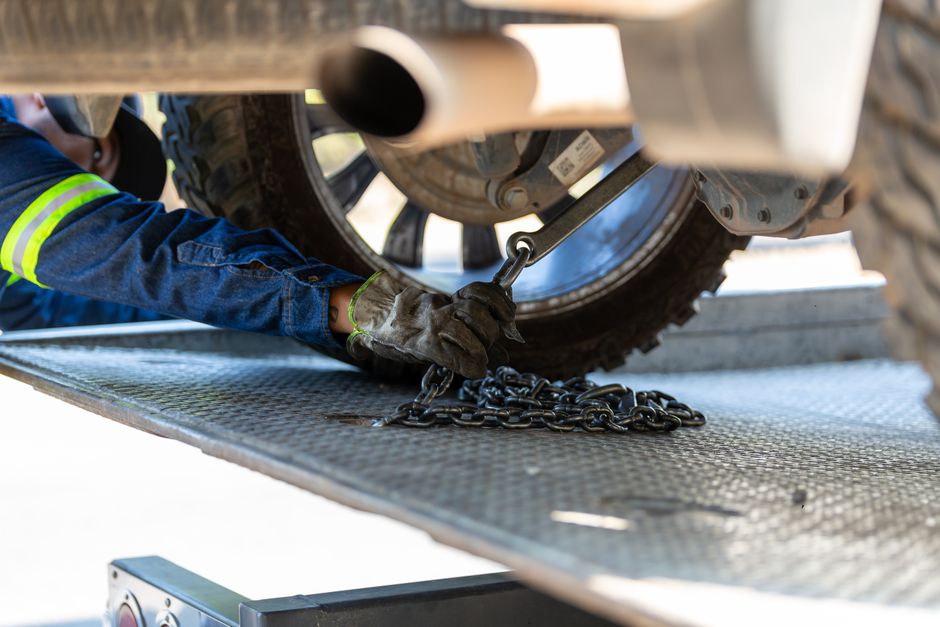
Towing Service: How to Choose the Right One for Your Needs

When you’re stranded on the side of the road due to a vehicle malfunction or accident, the last thing you want is to be stuck waiting for help. This is where a reliable towing service comes into play. Choosing the right towing service can mean the difference between a quick resolution and a frustrating ordeal. This article will guide you through the key aspects to consider when selecting a towing service so you can make an informed choice.

One of the first factors to consider is the range of services offered by the towing company. Some towing services specialize in light-duty towing, which is suitable for cars and motorcycles, while others may be equipped to handle heavy-duty towing for larger vehicles like trucks and buses. It’s essential to choose a towing service that aligns with your specific needs. Additionally, look for companies that offer roadside assistance, as they can provide help with flat tires, dead batteries, and fuel delivery, not just towing.

Another important aspect to take into account is the response time of the towing service. In emergency situations, prompt assistance is vital. Check online reviews or ask friends and family for recommendations to find a towing company known for its quick response. A reputable towing service will be transparent about their response times and may even provide tracking features for their tow trucks, allowing you to know exactly when help will arrive.

Cost is always a consideration when selecting a towing service. Different companies have varying pricing structures, so it’s wise to inquire about rates beforehand, especially if you are in a vulnerable situation. Look for transparency in pricing; hidden fees can significantly increase your final bill. Reading the small print and assessing whether a service offers flat rates or variable rates based on distance can shed light on what you can expect to pay.

Finally, it’s crucial to choose a towing service that is licensed and insured. Hiring an unlicensed company can put you at risk of damage to your vehicle or legal complications. An insured towing company protects both you and your vehicle during the towing process. Furthermore, check if the service employs trained professionals who understand how to handle various types of vehicles safely and efficiently.

In conclusion, selecting the right towing service involves careful consideration of the range of services offered, response times, pricing, and the company’s licensing and insurance status. Investing time in research now will save you from stress and potential hazards in the future. Remember, when you find yourself in need of a tow, having a trustworthy towing service on speed dial makes all the difference for a peaceful resolution to your roadside emergencies.

Where To Start with and More

Finding Ways To Keep Up With

Looking On The Bright Side of

Looking On The Bright Side of

Mobile RV Appliance Repair: Keeping Your Adventures on Track

For many RV enthusiasts, the freedom of the open road is a cherished lifestyle. However, with that freedom comes the responsibility of maintaining the various appliances that make life on the road comfortable. When things go awry, having access to mobile RV appliance repair can make all the difference. Whether you’re dealing with a malfunctioning refrigerator, an ineffective air conditioner, or a problematic water heater, knowing how to navigate these repairs can help you avoid disruptions during your journey.

Mobile RV appliance repair services provide convenience and expertise directly at your location, ensuring you won’t have to tow your vehicle to a shop. These professionals are equipped with the knowledge and tools necessary to diagnose and fix issues quickly, allowing you to get back to enjoying your travels. From troubleshooting electrical issues to fixing propane appliances, mobile technicians can handle a wide variety of problems, ensuring your comfort on the road.

One significant advantage of mobile RV appliance repair is the tailored service you receive. Since RVs are unique both in design and usage, having a technician who understands the specific needs of your model is crucial. These experts not only have the technical skills but also the experience required to address common and less common issues faced by RV appliances. Additionally, many mobile repair services offer flexible scheduling, which means you can book an appointment that fits seamlessly into your travel itinerary.

To ensure a smooth experience, it’s wise to do some research before a problem arises. Check for reviews and testimonials of local mobile RV appliance repair services so you can find a reputable technician you can trust. Look for services that guarantee their work and provide quality parts. Furthermore, consider asking for recommendations from fellow RV travelers, as word of mouth is often a reliable way to identify quality services.

In conclusion, mobile RV appliance repair is an essential service for any RV owner who values comfort on the road. By proactively addressing potential issues and finding a trustworthy technician, you can ensure that your RV appliances remain in peak condition. This allows you to focus on the adventure ahead, knowing that expert help is just a phone call away whenever you need it. So, the next time your refrigerator isn’t cooling or your hot water is lukewarm, remember that mobile repair is a convenient solution that keeps your travels uninterrupted.

3 Tips from Someone With Experience

What Research About Can Teach You