Lessons Learned About
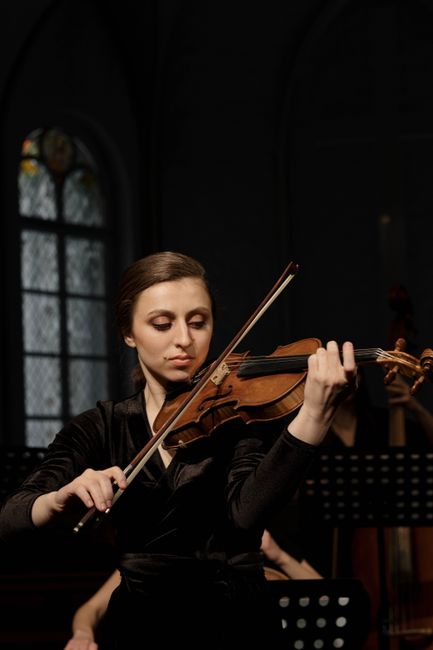 How to Thrive as an International Artist Viola Teacher
Teaching the viola on a global stage brings together performance excellence, cultural curiosity and a deep commitment to student growth. When you step into the role of an international artist viola teacher you carry the responsibility of sharing technique, musical insight and personal experience across borders. The first step toward success lies in understanding how your own artistic identity shapes the learning environment you create for each student.
Your background as a performing artist informs every lesson you give. When you demonstrate a phrase you draw on the emotions you felt on stage, allowing students to hear not only the notes but the story behind them. This approach invites learners to connect with the music on a personal level, turning technical drills into expressive conversations. By sharing anecdotes from concerts in different countries you illustrate how cultural context can influence interpretation, encouraging students to explore a broader palette of sound.
Beyond performance, the logistics of teaching internationally demand careful planning. You must adapt to varied time zones, language nuances and differing educational expectations. Establishing a reliable schedule builds trust with students and their families. When you set clear expectations for practice, feedback and communication you create a structure that supports consistent progress regardless of geographic distance. Using video conferencing tools that allow real?time demonstration and observation helps you maintain the intimacy of in?person instruction while reaching learners around the world.
Curriculum design benefits from the blend of your artistic expertise and the diverse backgrounds of your students. Start each semester by assessing technical foundations, musical preferences and cultural influences. This information guides you in selecting repertoire that challenges skill levels while resonating with personal interests. For example, pairing a Baroque partita with a contemporary work from the student’s home country highlights contrasts in style and technique, deepening appreciation for the instrument’s versatility.
When you introduce new techniques you can draw parallels between different musical traditions. Explaining how a bowing pattern used in Eastern European folk music relates to a classical articulation helps students see connections rather than isolated rules. This comparative method reinforces learning and nurtures a global perspective that aligns with your role as an international educator.
Feedback remains a cornerstone of effective teaching. Offer specific, actionable comments that focus on sound production, posture and musical phrasing. Instead of saying a passage sounds “good” or “bad” describe the exact element that needs adjustment, such as “increase the pressure on the bow near the frog to enrich the lower register.” This direct language empowers students to make precise changes and builds confidence in their ability to self?evaluate.
Professional development continues as you travel and collaborate with other musicians. Attending masterclasses, festivals and workshops exposes you to fresh pedagogical ideas and performance practices. When you integrate these insights into your lessons you demonstrate a commitment to lifelong learning, inspiring students to adopt the same mindset. Networking with fellow viola teachers worldwide also creates opportunities for student exchanges, joint recitals and cross?cultural projects that enrich the educational experience.
Balancing performance commitments with teaching responsibilities requires disciplined time management. Prioritize rehearsal blocks that align with lesson plans, allowing you to model the pieces you assign. When you perform publicly you provide students with a living example of how preparation translates into stage presence, reinforcing the relevance of their daily practice.
Finally, nurture a supportive community among your students. Encourage them to share recordings, discuss challenges and celebrate achievements in an online forum you moderate. This sense of belonging reduces the isolation that can accompany remote learning and fosters peer motivation. By highlighting each student’s progress you reinforce the idea that growth is a collective journey rather than a solitary pursuit.
In summary, thriving as an international artist viola teacher involves merging performance artistry with thoughtful pedagogy, logistical savvy and cultural openness. Your ability to convey technical mastery, inspire expressive interpretation and connect learners across continents defines the impact you make. Embrace the opportunities that global teaching provides, and watch both your students and your own musical voice flourish.