Looking On The Bright Side of
 Heating and Cooling: Essential Insights for Home Comfort
Heating and cooling systems are fundamental components of modern homes, ensuring comfort throughout the changing seasons. These systems play a pivotal role not only in maintaining a pleasant indoor climate but also in promoting energy efficiency and improving indoor air quality. Understanding the various types of heating and cooling solutions available can empower homeowners to make informed decisions that best suit their needs.
Heating systems come in various forms, including furnaces, heat pumps, and boilers. Furnaces are commonly found in colder climates, utilizing gas, oil, or electricity to generate heat. Heat pumps, on the other hand, are versatile systems that can both heat and cool a space by transferring heat from indoors to outdoors and vice versa. Boilers, usually water-based, are effective for larger homes and provide warm air through radiators. Selecting the right heating system involves considering factors such as the size of your home, local climate, energy efficiency ratings, and your budget.
On the cooling side, air conditioning units and evaporative coolers are the two main options. Central air conditioning systems are popular for their capability to cool large areas efficiently, using ducts to distribute cool air throughout the home. In contrast, ductless mini-split systems offer flexibility and are excellent for homes without existing ductwork. Evaporative coolers, or swamp coolers, utilize the natural process of water evaporation to lower temperatures, making them ideal for dry climates. The choice of cooling system will vary depending on your environmental conditions and preferences.
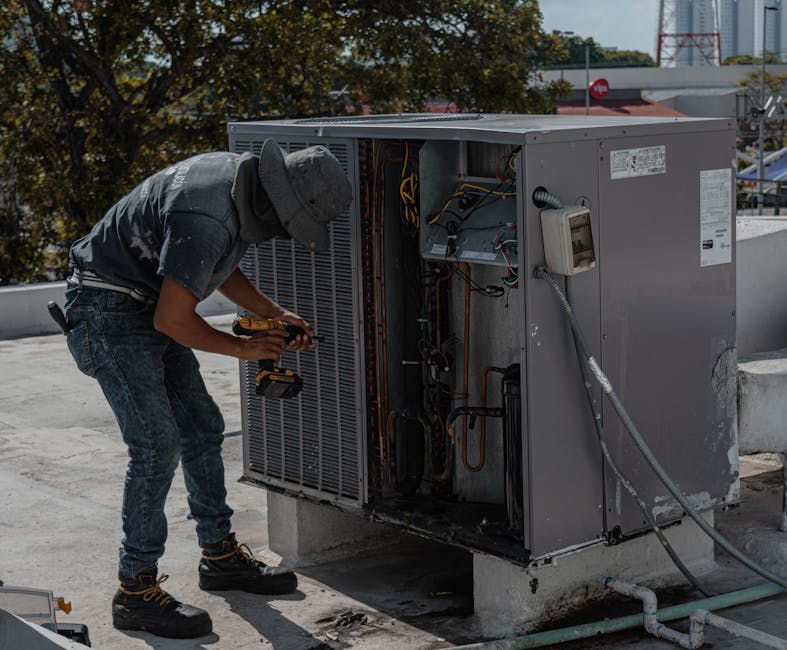
Regular maintenance of heating and cooling systems is crucial to ensure optimal performance and longevity. Homeowners should schedule annual inspections, replace filters regularly, and keep the surrounding areas clean and clear of debris. Not only does routine maintenance help in identifying potential issues before they escalate, but it also enhances energy efficiency, leading to lower utility bills. Additionally, upgrading to programmable thermostats can help manage energy consumption more effectively, allowing homeowners to set temperatures according to their schedules.
In conclusion, understanding the intricacies of heating and cooling systems is essential for achieving optimal comfort in your home. By exploring the various options available and committing to regular maintenance, homeowners can enhance their indoor environments while also benefiting from improved energy efficiency. Making informed choices today can lead to a more comfortable and sustainable living space well into the future.