If You Read One Article About , Read This One
 Guarding Your Home: Mastering Foundation Waterproofing in Portland
Understanding the Moisture Challenge
Portland receives abundant rainfall, and the surrounding soil holds moisture that can seep into a home’s foundation. You notice cracks, damp spots, or musty odors, and you realize that water intrusion threatens structural integrity. You must recognize that water pressure builds against the concrete walls, especially during heavy storms. You should inspect the perimeter after each rainstorm, looking for pooling water or erosion. By observing these signs, you can act before damage spreads. Recognizing the moisture challenge empowers you to protect your investment and maintain a healthy living environment.
Evaluating Soil Conditions
Soil type determines how quickly water moves toward your foundation. You can test the soil by digging a small hole and feeling the texture. Clay retains water, while sand drains quickly. In Portland, a mix of loam and clay often creates a slow?draining environment that increases hydrostatic pressure. You should measure the water table depth by consulting local records or hiring a professional. Knowing the exact soil behavior helps you choose the right waterproofing system. When you match the solution to the soil, you reduce the risk of water seeping through cracks or joints.
Choosing the Right Waterproofing System
You have several options for foundation waterproofing, each suited to different conditions. 1. Exterior membrane provides a barrier that repels water before it reaches the wall. 2. Interior drainage channels collect water that penetrates and direct it to a sump pump. 3. Crack injection seals openings and prevents further seepage. You must compare the cost, installation complexity, and long?term performance of each method. In Portland, many homeowners favor exterior membranes because they stop water at the source. You should select a system that aligns with your budget and the severity of moisture exposure.
Preparing the Site for Installation
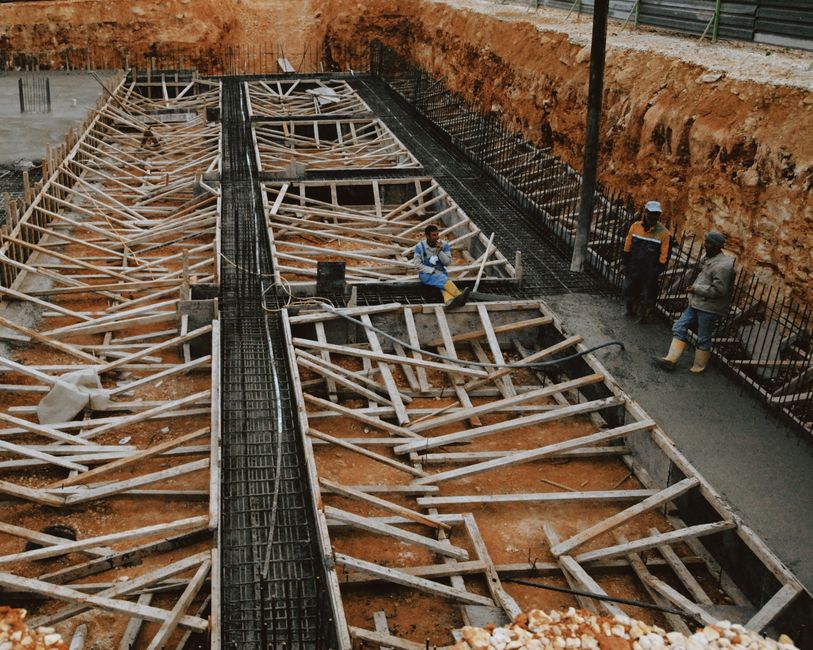
Before you install any waterproofing material, you need to expose the foundation wall. You should excavate the soil to a depth that reaches the footing, taking care to avoid damaging utilities. You must remove loose debris, clean the surface, and repair any visible cracks with a suitable filler. You can use a pressure washer to clear dirt, but you must let the wall dry completely before applying a membrane. Proper preparation ensures that the waterproofing adheres securely and performs as intended.
Applying an Exterior Membrane
When you choose an exterior membrane, you spread a thick, flexible sheet over the cleaned wall. You should overlap each sheet by at least 6 inches to create a continuous seal. You must embed the membrane in a layer of drainage mortar, which directs water toward a perforated pipe. You install the pipe at the base of the wall, sloping it toward a sump pit or daylight outlet. By following these steps, you create a robust barrier that deflects water away from the foundation.
Installing a Drainage System
A well?designed drainage system captures water that gathers behind the membrane. You should lay a bed of crushed stone behind the drainage pipe, providing space for water to flow freely. You must connect the pipe to a sump pump that activates when water reaches a preset level. You can choose a battery?backed pump to ensure operation during power outages. Regularly test the pump by pouring water into the pit, confirming that it expels water efficiently. A reliable drainage system prevents water buildup that could otherwise compromise the foundation.
Sealing Joints and Penetrations
Every joint, pipe entry, and utility opening presents a potential leak path. You should seal these points with a high?quality, flexible sealant that adheres to both concrete and metal. You must apply the sealant in a continuous bead, smoothing it to eliminate gaps. For larger penetrations, you can install flashing that wraps around the pipe and integrates with the membrane. By meticulously sealing each opening, you eliminate weak spots that water could exploit.
Maintaining Your Waterproofing System
After installation, you need to perform routine checks to ensure lasting protection. You should inspect the exterior grading annually, making sure the soil slopes away from the foundation at a minimum of 5 percent. You must clear debris from the drainage outlet, preventing clogs that could cause water backup. You can monitor the sump pump’s operation by listening for its activation during rain events. By staying proactive, you extend the lifespan of your waterproofing system and avoid costly repairs.
Evaluating Long?Term Benefits
Investing in foundation waterproofing delivers measurable advantages for your home in Portland. You reduce the likelihood of structural damage, lower indoor humidity, and prevent mold growth that can affect health. You also increase property value, as prospective buyers recognize the added protection. Over time, you save money by avoiding expensive foundation repairs and water?damage restoration. By committing to a comprehensive waterproofing plan, you safeguard your home’s stability and create a comfortable, dry living space for years to come.