– Getting Started & Next Steps
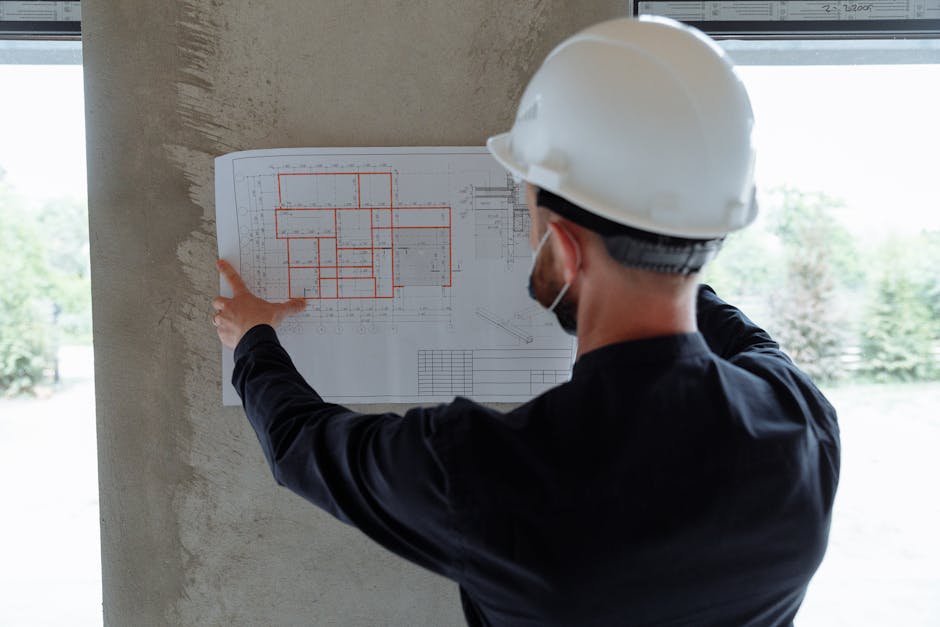 Understanding the Role of a General Contractor in Construction Projects
In the world of construction, the role of a general contractor is pivotal for ensuring that a project runs smoothly from start to finish. General contractors (GCs) are responsible for overseeing construction sites, managing staff, and coordinating with subcontractors. Their expertise encompasses a broad range of duties, from budgeting and scheduling to compliance with building codes and safety regulations. This article delves into the key responsibilities of a general contractor, the benefits they bring to a project, and how to choose the right one for your construction needs.
One of the primary responsibilities of a general contractor is project management. GCs create a detailed project plan, develop timelines, and manage resources to keep the construction on schedule and within budget. Their expertise in logistics ensures that materials are ordered and delivered on time, subcontractors are scheduled effectively, and any arising issues are resolved promptly. With a general contractor at the helm, clients can rest assured that there is a knowledgeable individual overseeing the myriad details involved in the project.
Another significant aspect of a general contractor’s role is maintaining compliance with local building codes and regulations. Navigating the complexities of permits and inspections can be daunting, but general contractors have the experience needed to ensure that all legal requirements are met. They work closely with architects, engineers, and local authorities to secure the necessary permits, conduct inspections, and address any compliance issues that arise. This vigilance not only helps avoid costly fines but also ensures that the project adheres to safety standards that protect the crew and future occupants.
Choosing the right general contractor is crucial for the success of any construction project. When selecting a GC, it’s essential to consider their experience, previous work, and client testimonials. Interviews should focus on their approach to project management, communication style, and conflict resolution strategies. Additionally, obtaining multiple bids may provide insight into the market rates and help gauge the contractor’s understanding of the project scope. A well-chosen general contractor will not only have the technical knowledge but will also establish a collaborative relationship with clients and subcontractors, leading to effective teamwork and successful project completion.
In conclusion, the role of a general contractor is integral to any construction endeavor, providing the expertise and oversight necessary to achieve project goals. Their responsibilities span across project management, regulatory compliance, and effective collaboration with various stakeholders. By understanding these aspects, clients can make more informed decisions when hiring a general contractor, ultimately leading to smoother construction processes and superior outcomes. With the right GC by your side, your construction project can flourish from conception to completion.