The Ultimate Guide to
 Practical Erosion Control Measures in New Hampshire
If you live or work in New Hampshire, you know the weather can be a bit all over the place. One week it’s dry, the next we’re getting heavy rain that runs straight off fields, roads, and construction sites. When that water moves fast, it takes soil with it. That’s erosion, and it’s not just a countryside problem. It affects gardens, farms, roads, riverbanks, and new building sites all across the county. The good news is there are practical ways to slow it down and keep the soil where it belongs, without needing huge budgets or complicated engineering.
The first place to start is with ground cover. Bare soil is the easiest thing for rain to wash away, so keeping something on it makes a huge difference. On farms this might mean cover crops over winter, or leaving crop residue on the surface instead of clearing everything. In gardens and landscaped areas, mulch, grass, or low planting does the same job. On construction sites, temporary seeding or turf mats can be rolled out quickly. The idea is simple: roots hold the soil together, and leaves break the impact of raindrops. In Hampshire where we get those sudden downpours, that little bit of cover can stop a lot of runoff before it even starts.
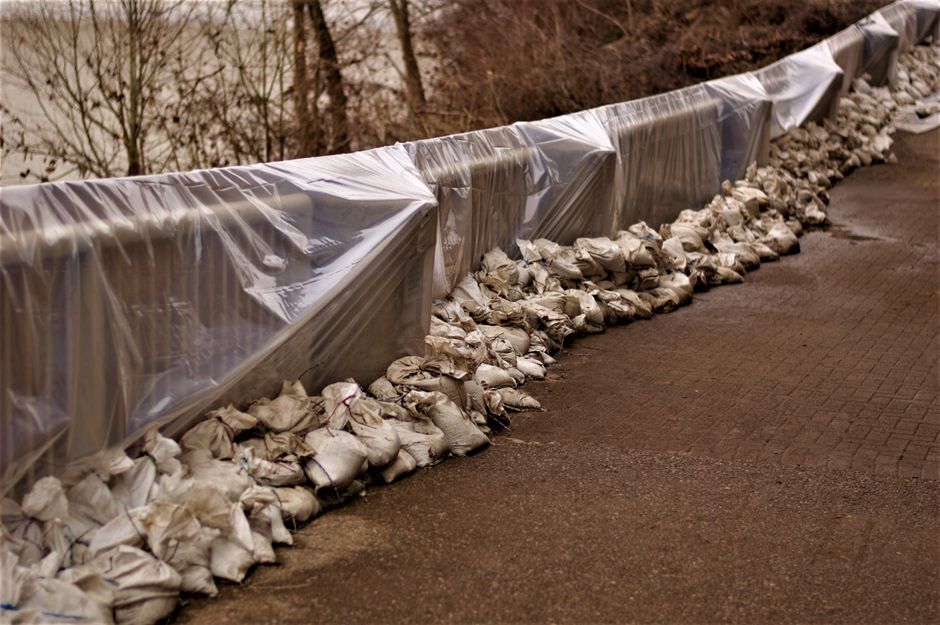
Next, think about how water moves across the land. When rain can’t soak in, it runs downhill and picks up speed. That’s when you get gullies and muddy ditches. Slowing that water down is key. Things like silt fences, straw bales, and coir logs are used a lot on building sites around Hampshire because they’re quick to install and they trap sediment. For fields and larger areas, grassed waterways, contour ploughing, and small check dams work well. Even something as basic as a shallow ditch lined with grass can spread the flow out and let water soak in instead of cutting a channel. The point isn’t to block water completely, it’s to give it time to slow down and drop the soil it’s carrying.
We also can’t ignore riverbanks and coastal areas, which are a big part of New Hampshire’s landscape. Here erosion is often caused by waves and fast-flowing water undercutting the bank. Planting native shrubs and trees along the edge is one of the most effective long-term fixes because the roots bind the soil and the branches help absorb energy. In places where more protection is needed, people use biodegradable erosion control blankets or rock riprap, but those are usually paired with planting so nature can take over in a year or two. It’s worth checking with the local council or Environment Agency before doing work near a watercourse, because there are rules about what you can and can’t do.
At the end of the day, erosion control in New Hampshire works best when it’s practical and fits the site. A homeowner might just need better drainage and some ground cover. A farmer might rotate crops and add buffer strips along field edges. A developer will need a proper plan with silt traps and phased work to keep soil exposed for as little time as possible. None of these measures are complicated on their own, but together they make a real difference. Keeping soil in place means cleaner water in our rivers, less flooding on roads, and healthier land for growing and building. And once you start looking, you’ll see these small changes everywhere around the county doing their quiet job every time it rains.