Study: My Understanding of
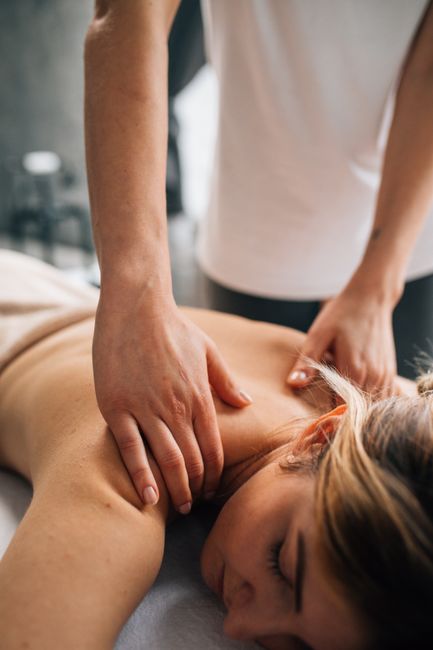 The Healing Touch of Medical Massage
Understanding Medical Massage
Medical massage differs from a regular spa session by focusing on therapeutic goals rather than relaxation alone. You learn that this technique targets muscle tension, joint stiffness, and nerve irritation. A skilled practitioner applies deep pressure, stretching, and targeted manipulation to relieve pain and promote circulation. You notice that each session is tailored to your specific health concerns, whether you suffer from chronic back pain, post?surgical recovery, or sports injuries.
You also discover that medical massage aligns closely with conventional medical treatments. By working in concert with physiotherapy, chiropractic care, or orthopedic interventions, it enhances overall healing. You find that the therapist may incorporate modalities such as heat, ice, or electrical stimulation to augment the massage’s effectiveness. The result is a comprehensive approach that supports your body’s natural repair mechanisms while addressing acute discomfort.
Benefits for Long Island Residents
Living on Long Island presents unique health challenges. You face a high level of daily stress, long commutes, and a busy lifestyle that can strain your muscles and joints. Medical massage offers a practical solution to these pressures. You benefit from improved posture, reduced tension headaches, and enhanced flexibility. You also notice a decrease in the frequency and severity of injury flare?ups, especially for those who engage in outdoor sports or manual labor.
Moreover, medical massage supports your mental well?being. You experience lowered cortisol levels, increased serotonin production, and a sense of calm that helps counteract the constant demands of life. You find that regular sessions can improve sleep quality, allowing you to wake refreshed and ready to tackle the day. In this way, medical massage becomes a vital component of a balanced, healthy lifestyle on Long Island.
Choosing the Right Therapist
Selecting a qualified professional is crucial for achieving the best outcomes. You should look for therapists who hold advanced certifications in medical massage and have experience working with a diverse patient population. You verify that they maintain a strong educational background, including ongoing training in anatomy, kinesiology, and therapeutic techniques.
You also assess their communication style. You expect clear explanations of treatment plans, expected results, and any contraindications. You value a therapist who listens attentively, asks detailed questions about your medical history, and adapts techniques to your comfort level. By building a collaborative relationship, you ensure that each session addresses your unique needs and progresses toward your health goals.
Integrating Massage into Your Treatment Plan
Medical massage should complement, not replace, other medical interventions. You coordinate with your primary care provider to integrate massage into your overall treatment strategy. You may schedule sessions around physiotherapy appointments or post?operative care to maximize recovery.
You track your progress by noting changes in pain levels, range of motion, and daily functional abilities. You maintain a log of session frequency, techniques used, and any side effects. This data helps both you and your therapist adjust the plan as needed, ensuring continuous improvement.
By incorporating regular medical massage into your routine, you reinforce the body’s healing processes, reduce the risk of chronic pain, and enhance overall quality of life. You take an active role in your health, using this specialized therapy as a cornerstone of preventive care and active recovery.