The 10 Rules of And How Learn More

The 10 Rules of And How Learn More

Choosing the Right Roofing Contractor: A Comprehensive Guide

When it comes to home improvement projects, finding the right roofing contractor is crucial. Your roof is one of the most important aspects of your home, protecting you and your belongings from the elements. A well-executed roofing job can enhance your home’s curb appeal and value, while a poorly executed one can lead to costly repairs down the line. In this guide, we’ll explore the key factors to consider when choosing a roofing contractor.

First and foremost, always do your research. Start by gathering recommendations from friends, family, or neighbors who have recently completed roofing work. Online reviews and ratings can also provide insights into the reputation of local contractors. Make a list of potential contractors and check their credentials. Ensure they are licensed, insured, and have a solid track record in roofing. A legitimate contractor will be upfront about their qualifications and happy to provide references from previous clients.

Next, arrange for consultations with the contractors on your shortlist. A reputable roofing contractor will conduct a thorough inspection of your roof, listen to your needs, and provide you with a detailed estimate. Pay close attention to the materials they recommend and their approach to installation. It’s important to choose a contractor who uses high-quality materials and follows best practices in roofing. This not only ensures the longevity of your roof but also protects your investment in the long run.

After you have a few estimates, take the time to compare them not just on price but also on the scope of work included. Some contractors may offer lower prices by cutting corners, while others may provide comprehensive services that justify a higher cost. Evaluate warranty options as well; a well-established contractor should offer warranties for both materials and labor. This can give you peace of mind knowing that any issues will be addressed without additional costs.

In conclusion, choosing the right roofing contractor is not a step to be rushed. It requires careful consideration and due diligence to ensure you select someone who will complete the job correctly and professionally. By researching, meeting with potential contractors, comparing estimates, and considering warranties, you can make an informed decision that results in a durable and reliable roof for your home.

– My Most Valuable Tips

What Research About Can Teach You

Why No One Talks About Anymore

Why No One Talks About Anymore

Becoming a Skilled Home Builder: A Comprehensive Guide

In the ever-evolving world of construction, becoming a skilled home builder is both a rewarding and challenging pursuit. With the increase in demand for quality housing, home builders are essential to creating safe, aesthetically pleasing, and functional living spaces. This blog will explore the vital skills, knowledge, and procedures necessary to excel as a home builder, ensuring you can navigate this competitive industry with confidence.

To begin with, a solid foundation in building practices is crucial. This typically involves a mix of formal education and hands-on experience. Many skilled home builders start by obtaining a degree or certification in construction management, architecture, or civil engineering. However, practical experience through apprenticeships or on-the-job training is equally important, allowing aspiring builders to learn from seasoned professionals. Knowledge of local building codes, zoning laws, and safety regulations is essential to ensure that all projects meet the required legal standards.

In addition to technical skills, effective communication is an invaluable asset for home builders. From liaising with clients to coordinating with subcontractors and suppliers, strong interpersonal skills can significantly affect project success. Builders need to articulate ideas clearly, listen to client needs, and resolve conflicts amicably. This not only helps in building lasting relationships but also enhances the overall project workflow, keeping timelines intact and ensuring client satisfaction.

Furthermore, a successful home builder must possess excellent project management capabilities. Tackling a construction project involves multiple moving partsfrom budgeting and scheduling to quality control and material procurement. Understanding how to manage these aspects efficiently can make the difference between a successful project and one that fails to meet expectations. Many builders find that adopting construction management software can streamline tasks, improve organization, and help maintain real-time communication among all parties involved.

In conclusion, becoming a skilled home builder requires a combination of education, practical experience, effective communication, and strong project management skills. As the construction industry continues to grow and evolve, those who dedicate themselves to continuous learning and improvement can thrive. Whether you are just starting out or looking to sharpen your existing skills, embracing these fundamentals will equip you with the tools necessary to excel in this dynamic field and create homes that meet and exceed client expectations.

The Key Elements of Great

Getting To The Point –

Incredible Lessons I’ve Learned About

Incredible Lessons I’ve Learned About

Why Hiring an Experienced Electrician is Essential for Your Electrical Needs

When it comes to home repairs and renovations, one of the most critical areas to consider is electrical work. Attempting to handle electrical tasks without the proper knowledge can pose serious safety risks and lead to inefficient work. This is where hiring an experienced electrician becomes essential. Their expertise not only ensures compliance with local codes but also guarantees that your electrical systems function efficiently and safely.

An experienced electrician brings a wealth of knowledge to the table. They are well-versed in understanding electrical systems, troubleshooting complex issues, and implementing solutions that meet specific needs. Their ability to diagnose problems quickly can save homeowners valuable time and prevent costly mistakes that might arise from DIY attempts. Whether it’s installing new lighting fixtures or upgrading an electrical panel, their skillset allows them to handle various tasks proficiently.

Furthermore, seasoned electricians are familiar with the latest technologies and advancements in the electrical industry. They can offer insights and recommendations on modern energy-efficient solutions, such as LED lighting or smart home integrations, that can lead to long-term savings on energy bills. Their experience helps in making informed choices that align with your home’s needs while contributing positively to the environment.

Safety is another significant factor when it comes to electrical work. Experienced electricians prioritize safety protocols and risk management, reducing the potential hazards associated with faulty wiring or inadequate installations. They have the necessary training to handle electricity safely and possess liability insurance, providing peace of mind to homeowners. This professionalism not only protects you but also minimizes the risk of possible accidents or fire hazards in your home.

In conclusion, hiring an experienced electrician is a wise investment for any electrical needs you may have. Their extensive knowledge, adherence to safety standards, and capacity to recommend efficient solutions offer a level of assurance that DIY electrical work simply cannot provide. By entrusting these tasks to a qualified professional, you are not only safeguarding your home but also ensuring that your electrical systems operate at optimal performance.

Valuable Lessons I’ve Learned About

: 10 Mistakes that Most People Make

Getting To The Point –

Getting To The Point –

Security Camera Installation: A Comprehensive Guide
In an era where safety and security are paramount, the installation of security cameras has become a top priority for both homeowners and business owners alike. With advancements in technology, the process of setting up a surveillance system has never been easier or more effective. This article will provide an in-depth look at the steps involved in security camera installation, the types of cameras available, and the benefits of having a well-monitored environment.

The first step in security camera installation is assessing your property to determine the best locations for the cameras. Consider areas that are vulnerable to intrusion, such as entry points, driveways, and common areas. It’s crucial to prioritize visibility and coverage to ensure that each camera can effectively monitor its designated area. Additionally, consider using a mix of indoor and outdoor cameras to cover all spaces adequately, while also thinking about how lighting conditions may affect camera functionality.

Once you’ve identified the ideal camera placements, the next step is to choose the type of cameras that best suit your needs. There are several options available, ranging from traditional analog cameras to modern digital IP cameras. IP cameras offer higher resolution and can connect to your home or business network, allowing for remote monitoring via smartphones or computers. Moreover, consider features such as night vision, motion detection, and cloud storage when selecting your cameras, as these can significantly enhance your surveillance capabilities.

After selecting your cameras, the installation process can begin. Depending on the type of system you choose, this can involve running cables, mounting cameras, and configuring software. For those comfortable with DIY projects, many systems come with detailed instructions that make the installation straightforward. However, if the task seems daunting, hiring a professional installer can save you time and ensure that everything is set up correctly. A professional can also advise on placement for optimal performance and compliance with local regulations.

In conclusion, security camera installation is a vital step in protecting your property, assets, and loved ones. By thoroughly assessing your surveillance needs, choosing the right equipment, and following proper installation procedures, you can create a robust security system that provides peace of mind. Investing in a quality security camera system not only deters potential intruders but also enables you to monitor activities in real-time, ensuring a safer environment overall.

The Essentials of – Revisited

The Best Advice on I’ve found

How to Achieve Maximum Success with

How to Achieve Maximum Success with

The Silent Guardian: Why Every Pet Owner Needs a Precision ID Tag Engraver
We treat our pets like familysometimes even better. We invest in high-end organic kibble, ergonomic beds, and GPS trackers that cost as much as a smartphone. Yet, despite all the high-tech gadgets available in 2026, the most reliable bridge between a lost pet and a happy reunion remains the humble ID tag.

An ID tag engraver isn’t just a machine; it’s a tool for peace of mind. Whether you are a boutique pet shop owner looking to offer a premium service or a dedicated pet parent seeking the best for your furry companion, understanding the value of high-quality engraving is essential. Here are five reasons why the art of the engrave is more important than ever.

1. Permanent Legibility vs. Printed Fakes
Many “budget” tags on the market use laser-ink marking or simple printing. While these look sharp on day one, they stand no chance against the daily life of a dog. Between mud baths, collar-scratching, and UV exposure, printed text fades into an unreadable blur within months.

A true diamond-drag or deep-fiber laser engraver carves the information directly into the metal. This physical indentation ensures that even if the tag gets scratched or tarnished, the contact information remains legible under a flashlight in the middle of the night.

2. The Failure of Tech-Only Solutions
We live in an era of microchips and GPS collars. While these are fantastic secondary layers of protection, they have “failure points.” A microchip requires a specific scanner found only at shelters or vets. A GPS collar requires a charged battery and a cellular signal.

An engraved ID tag requires nothing but human eyes. It is the “analog backup” that works 100% of the time, regardless of battery life or satellite positioning. If your pet wanders into a neighbor’s yard, that neighbor can call you instantly without needing to drive to a clinic.

3. Customization for Medical Alerts
Modern engravers allow for more than just a name and a phone number. With precision settings, you can fit vital “Medical Alert” information on the back of a standard tag.

“I am Diabetic”

“Needs Daily Meds”

“Deaf Dog”

This information changes the behavior of the person who finds your pet. It creates a sense of urgency, ensuring your pet gets the specific care they need until you can be reached.

4. Durability in Extreme Environments
If you have a “velcro dog” who never leaves your side, durability might not seem like a priority. But for the adventurous pupsthe hikers, the swimmers, and the trail runnersthe tag takes a beating.

High-quality engravers work best with robust materials like stainless steel or brass. These metals resist the corrosion that comes with salt water or constant moisture. When a tag is engraved deeply into these “hard” metals, it becomes a permanent fixture of the pet’s gear, surviving years of rugged outdoor use.

5. Instant Personalization and Style
For business owners, an in-house ID tag engraver is a game-changer. Customers love the “instant gratification” of watching a tag being made. It transforms a generic piece of hardware into a personalized gift. Beyond the utility, modern machines allow for various fonts and icons, letting a pet’s personality shine throughwhether they are a “Tough Guy” or a “Little Princess.”

The Golden Rule of Tagging:
Always include at least two phone numbers and your city. In the age of digital privacy, you don’t necessarily need your full street address, but a primary and backup contact number are non-negotiable.

Final Thoughts
In a world that is increasingly digital, the physical connection provided by a well-engraved tag is irreplaceable. It is the simplest, most effective way to ensure that if the gate is left open or a leash snaps, your pet has a voice. Investing in a quality engraveror a tag produced by oneis a small price to pay for a lifetime of security.

Doing The Right Way

Interesting Research on – Things You Probably Never Knew

Practical and Helpful Tips:

Practical and Helpful Tips:

Choosing an Experienced Custom Home Builder for Your Dream Home

Embarking on the journey of building your dream home is an exciting adventure filled with possibilities. One of the most critical steps in this process is selecting an experienced custom home builder who can turn your vision into reality. An experienced builder not only brings a wealth of knowledge and expertise but also ensures that your project runs smoothly and efficiently, saving you time and potential headaches along the way.

When searching for a custom home builder, consider their portfolio and past projects. A seasoned builder will have a diverse portfolio that showcases their adaptability and range in design styles. This will give you an insight into their craftsmanship and attention to detail. It’s beneficial to review testimonials and customer feedback as they provide first-hand accounts of the builder’s reliability, communication skills, and overall satisfaction of previous clients.

Another important factor to consider is the builder’s ability to work within your budget while delivering high-quality results. Experienced custom home builders will have established relationships with suppliers and subcontractors, enabling them to negotiate better pricing on materials and labor. It’s advisable to have a clear discussion about your budget from the outset, ensuring that the builder can provide a realistic estimate and highlight any potential challenges that may affect costs during the construction process.

Communication is key throughout the building process. Your chosen builder should prioritize keeping you informed and involved in every stage, from initial design ideas to the final walk-through. A builder who values transparent communication will help you feel more confident and comfortable with the progress of your home. Regular updates and meetings can also facilitate timely decision-making, ensuring that the project remains on track.

In conclusion, hiring an experienced custom home builder is essential for transforming your dream home into a tangible reality. By researching potential builders, examining their past work, and prioritizing open communication, you can select a builder who aligns with your vision and budget. The result will be a beautifully crafted home that meets your needs and exceeds your expectations, providing you with a warm and welcoming space for years to come.

The Beginners Guide To (Getting Started 101)

The Essentials of – Breaking Down the Basics

Finding Ways To Keep Up With

Finding Ways To Keep Up With

Air Conditioning Repair: Essential Tips and Insights

When the summer heat becomes unbearable, a fully functioning air conditioning system is not just a luxuryit’s a necessity. However, like any mechanical system, air conditioners can break down or fail to perform at their best. Understanding the common reasons for air conditioning malfunctions and knowing when to call a professional for repair can save you time, money, and discomfort.

Common symptoms of air conditioning issues include warm air blowing from the vents, strange noises during operation, or frequent cycling. These problems might stem from various issues such as refrigerant leaks, clogged filters, malfunctioning thermostats, or dirty coils. Regular maintenance is crucial for ensuring your AC unit runs efficiently. This includes changing filters every few months, cleaning the coils, and ensuring that the drainage is clear to prevent water buildup.

Another aspect to consider is the age of your air conditioning unit. Most systems have a lifespan of 10 to 15 years. If your AC unit is reaching the end of its life, it might be more cost-effective to replace the system rather than repair it. Investing in a new, energy-efficient model can not only reduce your energy bills but also improve your home’s comfort levels. If you’re unsure whether to repair or replace, consult with a qualified HVAC technician to evaluate your options.

When it comes to air conditioning repair, prompt attention is essential. Ignoring small issues can lead to more significant problems and higher repair costs. Furthermore, be wary of DIY fixes without proper knowledge or tools, as they can often exacerbate the situation and lead to safety hazards. Always prioritize calling a professional technician who can diagnose the problem effectively and provide the necessary repairs.

In conclusion, keeping your air conditioning unit in top shape requires regular maintenance, timely repairs, and professional guidance. By understanding common issues and their solutions, homeowners can ensure their AC systems will perform efficiently, even during the hottest months. Regular checks and professional servicing not only enhance comfort but can also prolong the life of your unit, making it a wise investment for your home.

Short Course on – Getting to Square 1

The Key Elements of Great

Understanding

Understanding

Get To Know the Significance of a Well Designed Preschool Program

A well-designed preschool program serves as a foundational stepping stone for young children, typically between the ages of 3 and 5, as they begin their educational journey. It aims to foster holistic development by nurturing cognitive, emotional, social, and physical growth in a safe and stimulating environment. Preschool is often a child’s first formal experience outside the home, and a quality program recognizes the importance of making that transition a positive and engaging one. By blending structured learning with exploratory play, preschool programs help children develop key skills that will support their success in kindergarten and beyond.

At the heart of any effective preschool program is a curriculum that balances academic readiness with developmental appropriateness. Children at this age learn best through hands-on experiences, so the classroom environment is typically rich in materials that encourage exploration and discovery. Activities are designed to promote early literacy and numeracy, language development, problem-solving, and fine and gross motor skills. Storytime, for example, introduces children to the rhythm and structure of language, while helping to build vocabulary and comprehension. Likewise, counting games, sorting activities, and puzzles foster early math skills in a fun and interactive way. The curriculum is usually aligned with state early learning standards but remains flexible enough to follow children’s interests and developmental levels.

Social-emotional learning is another critical component of preschool. Children are taught how to express their emotions appropriately, cooperate with peers, and resolve conflicts constructively. Teachers model respectful behavior and guide children through social interactions, helping them build empathy and develop a sense of community. Circle time, group projects, and peer play offer daily opportunities for children to practice communication, patience, and teamwork. These experiences are essential for building confidence and self-regulation, which are as important as academic skills for future success in school.

A strong preschool program also values the importance of play. Play is not merely a break from learningit is the primary way young children make sense of the world around them. Through dramatic play, building with blocks, art activities, and outdoor exploration, children develop creativity, imagination, and problem-solving abilities. Unstructured playtime allows them to make choices, take risks, and learn from trial and error, which fosters independence and resilience. Teachers support this process by observing children’s interests and using them as entry points for deeper learning.

In addition to addressing the needs of the children, a quality preschool program actively involves families in the educational process. Strong home-school partnerships are encouraged through regular communication, parent-teacher conferences, family events, and volunteer opportunities. This collaboration ensures consistency between home and school, supports children’s development, and strengthens the overall sense of community. Parents are seen as their child’s first teachers and are respected as valuable partners in their child’s learning journey.

Health and safety are also prioritized in any effective preschool setting. Classrooms are designed to be age-appropriate, clean, and secure, with materials that are safe and accessible. Teachers are trained in first aid, CPR, and child development, and often work in low teacher-to-child ratios to provide individualized attention. Healthy meals and snacks, regular handwashing routines, and plenty of opportunities for physical activity all support children’s physical well-being.

Ultimately, a preschool program sets the stage for lifelong learning. It instills curiosity, builds foundational skills, and creates a love of learning in a nurturing and joyful environment. By focusing on the whole childacademically, socially, emotionally, and physicallypreschool equips children with the tools they need to thrive both in school and in life. It is not just preparation for kindergarten; it is a crucial beginning to a child’s journey toward becoming a confident, capable, and compassionate individual.

Getting To The Point –

Figuring Out

The Essentials of – Getting to Point A

The Essentials of – Getting to Point A

Choosing an Experienced Roofing Contractor: What You Need to Know

When it comes to maintaining or upgrading your home, the roof is one of the most critical elements to consider. A durable and well-installed roof not only protects your home from the elements but also enhances its aesthetic appeal and value. Therefore, finding an experienced roofing contractor is essential for a successful roofing project. With so many contractors available, understanding what to look for can significantly impact the overall outcome and longevity of your roof.

Firstly, an experienced roofing contractor brings a wealth of knowledge and skills to the table. They are familiar with various roofing materials, installation techniques, and local building codes. This expertise enables them to effectively assess your roofing needs and recommend the best materials and solutions. Additionally, seasoned contractors can often identify potential issues early in the process, preventing costly mistakes and remodels later on. Their experience also means they are likely to have a trustworthy network of suppliers and can often secure quality materials at reasonable prices.

Another essential factor to consider is the importance of referrals and reviews. Experienced contractors usually have a track record of successful projects, making it easier for you to find reviews and testimonials from previous clients. Look for online reviews, ratings, and even personal recommendations from friends or family. A good reputation is a strong indicator of reliable service, and engaging with past clients can provide you with valuable insights into a contractor’s work ethic and professionalism.

Moreover, having a well-documented insurance policy and relevant warranties is crucial. An established roofing contractor should provide proof of liability insurance and worker’s compensation to protect you from any potential liabilities. In case of an accident or damage during the roofing process, this coverage ensures that you are not held liable for any injuries or damages. Furthermore, a contractor that offers warranties on their workmanship and the materials used adds an extra layer of assurance, demonstrating confidence in the longevity and quality of their services.

Finally, clear communication is a hallmark of professional roofing contractors. An experienced contractor will discuss your project in detail, answering any questions you might have and providing a transparent estimate. They should explain the processes involved, timelines, and potential challenges to ensure you feel comfortable throughout the entire project. Effective communication promotes a positive working relationship and offers peace of mind knowing your roofing needs are in capable hands.

In conclusion, selecting an experienced roofing contractor is a crucial step in ensuring the longevity and reliability of your home’s roof. By considering their expertise, reputation, insurance, and communication style, you can make an informed decision that will lead to a successful roofing project. Investing the time to find the right contractor now will pay off in the long run, ensuring that your roof remains a sturdy shield for your home for years to come.

6 Facts About Everyone Thinks Are True

The Best Advice on I’ve found

How I Became An Expert on

How I Became An Expert on

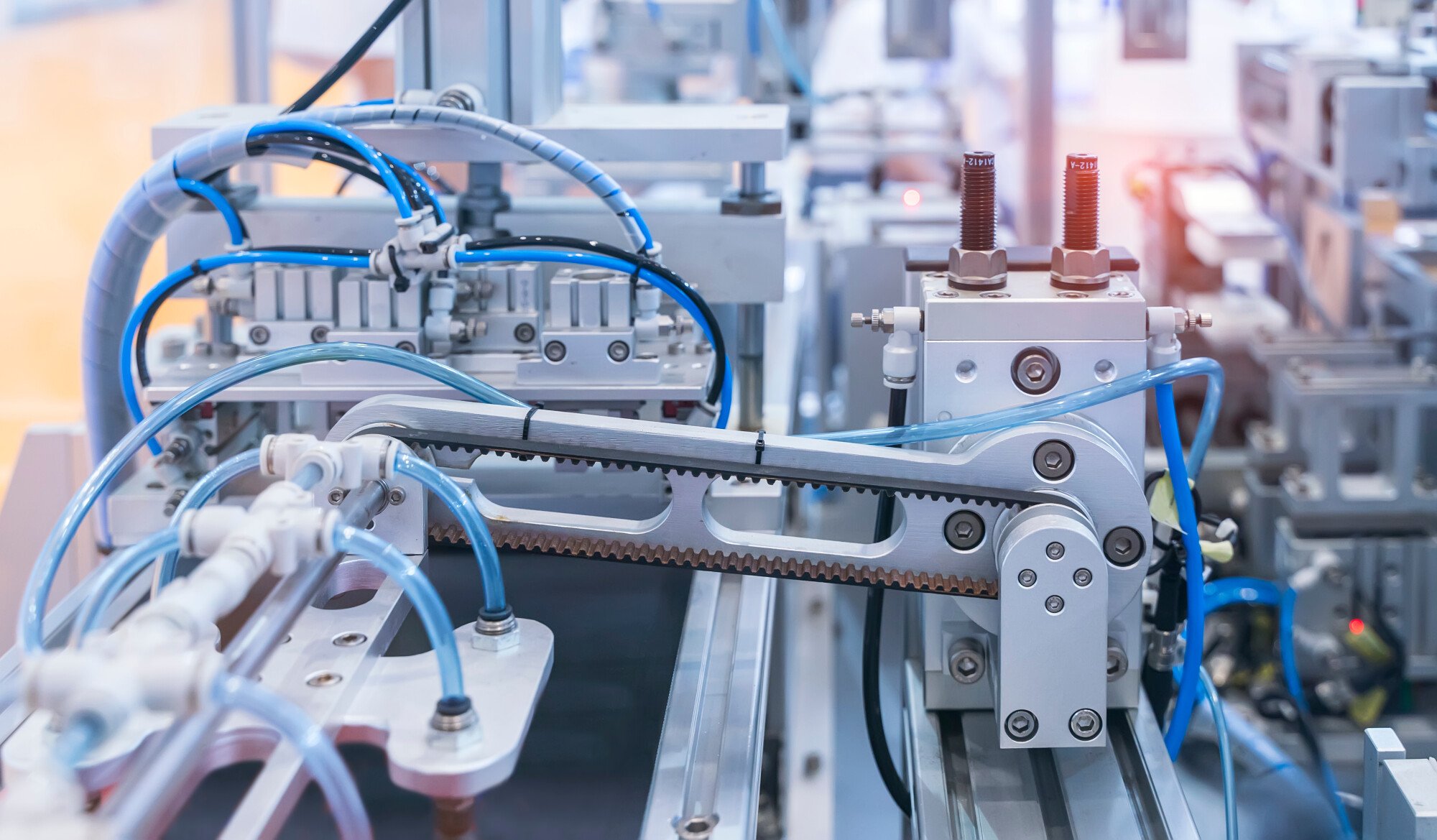
What to Consider When Selecting Industrial Parts

Selecting the right industrial parts is an important process that directly affects the performance, safety, efficiency, and durability of equipment and machinery. Industrial operations rely heavily on components such as bearings, valves, pumps, gears, filters, motors, and hydraulic systems to maintain productivity and minimize downtime. Choosing the wrong parts can lead to operational failures, costly repairs, production delays, and safety hazards. For this reason, businesses and technicians must carefully evaluate several factors before purchasing or replacing industrial components. A well-informed selection process ensures that machinery operates efficiently while reducing long-term maintenance costs and improving reliability within industrial environments.

One of the most important considerations when selecting industrial parts is compatibility with existing equipment and systems. Industrial components are designed with specific dimensions, capacities, and operational requirements, meaning that not every part will fit or function properly in all machinery. Buyers must confirm model numbers, measurements, voltage requirements, pressure ratings, and technical specifications before making a purchase. Even small mismatches can lead to improper functioning or complete system failure. In addition, industries should consider whether the part meets manufacturer recommendations and industry standards. Original equipment manufacturer parts are often preferred because they are specifically designed for the machinery in question, although high-quality aftermarket parts may also be suitable if they meet the same standards and specifications.

Another critical factor to consider is the quality and durability of industrial parts. Industrial equipment often operates under demanding conditions such as high temperatures, heavy loads, corrosive environments, or continuous operation. Poor-quality parts may wear out quickly, causing frequent breakdowns and increased maintenance expenses. Buyers should evaluate the materials used in manufacturing the component, such as stainless steel, aluminum, reinforced plastics, or specialized alloys, depending on the operational environment. Reputable manufacturers and trusted suppliers usually provide warranties, certifications, and testing documentation that help verify the reliability of their products. Investing in durable and high-quality parts may involve higher upfront costs, but it significantly reduces replacement frequency and downtime, ultimately saving money over time.

Cost is also an essential consideration when selecting industrial parts, but it should not be the only deciding factor. Many organizations attempt to minimize expenses by purchasing cheaper components, yet low-cost parts may compromise quality, efficiency, and safety. Instead of focusing solely on the initial purchase price, businesses should consider the total cost of ownership. This includes installation expenses, maintenance requirements, energy efficiency, expected lifespan, and potential downtime costs associated with part failure. A slightly more expensive component with superior durability and performance may provide greater long-term value than a cheaper alternative. Additionally, companies should evaluate supplier reliability, delivery times, and inventory availability because delays in obtaining replacement parts can interrupt operations and result in significant financial losses.

Safety and compliance with industry regulations are equally important when choosing industrial parts. Industrial workplaces are governed by strict safety standards intended to protect workers, equipment, and the environment. Components that fail to meet regulatory requirements can expose organizations to accidents, legal liabilities, and penalties. Buyers should verify whether the parts comply with recognized standards and certifications relevant to their industry, such as ISO, OSHA, or other national and international guidelines. In hazardous environments such as chemical plants, mining operations, or manufacturing facilities, selecting parts with proper safety features and resistance to extreme conditions is especially critical. Reliable industrial parts help reduce the risk of accidents, maintain operational stability, and support a safe working environment for employees.

Finally, maintenance requirements and supplier support should also be carefully evaluated before selecting industrial parts. Some components require frequent servicing, lubrication, calibration, or replacement, which can increase operational costs and labor demands. Businesses should prioritize parts that are easy to maintain and supported by clear installation and maintenance instructions. Access to spare parts and technical assistance from suppliers is another important consideration. A dependable supplier can provide guidance on product selection, troubleshooting, and replacement recommendations when issues arise. Strong customer support ensures that companies can quickly address equipment problems and reduce downtime. Furthermore, organizations should consider future scalability and technological advancements when selecting parts, ensuring that components remain compatible with evolving systems and operational needs.

Practical and Helpful Tips:

Getting Down To Basics with