Lessons Learned from Years with

Lessons Learned from Years with

Investing in Gold in Guam: A Smart Move for Savvy Buyers

Gold has long served as a reliable store of value, and many people in Guam turn to it when they want to protect their wealth. When you explore the market, you quickly see why gold remains a favorite among investors who seek stability and long term growth. Understanding the reasons behind this appeal helps you decide whether gold fits into your financial plan.

One of the strongest reasons Gold buyers Guam trust gold is its ability to shield wealth from rising prices. When inflation pushes everyday costs higher, the price of gold often climbs, allowing you to preserve purchasing power. In periods of economic uncertainty, the metal tends to hold its value while other assets wobble, giving you confidence that your investment will not erode.

Liquidity adds another layer of comfort for Gold buyers Guam. You can turn gold into cash quickly, whether you sell a coin at a local dealer or trade a bar through an online platform. Because people around the world recognize gold as a form of payment, you never face a market that refuses to accept it. This universal acceptance means you can move funds when opportunities arise or emergencies demand cash.

Diversifying your portfolio with gold also reduces overall risk. The performance of gold rarely moves in step with stocks, bonds, or real estate, so adding it creates a buffer against market swings. Remember the financial crisis of 2008: while many investments lost value, gold rose, providing a safe haven for those who held it. By including gold, you give your portfolio a counterbalance that smooths out sharp declines.

Gold comes in several shapes, each offering a different experience for Gold buyers Guam. Physical gold, such as coins or bars, lets you hold a tangible asset that you can store at home or in a secure facility. Exchange?traded funds let you track gold prices without worrying about storage, while shares of mining companies expose you to the industry’s upside and downside. Choosing the right form depends on how much hands?on involvement you prefer and how comfortable you feel with market fluctuations.

Working with reputable dealers makes a big difference in your buying experience. Look for sellers who publish clear pricing, verify purity with recognized standards, and provide certificates that prove authenticity. Transparent dealers also explain any fees up front, so you avoid surprise costs that could eat into your returns. When you compare offers from multiple Gold buyers Guam, you gain leverage to negotiate better terms and secure a fair deal.

Practical steps help you navigate the Guam market with confidence. Start by researching current spot prices and tracking local dealer rates for a few weeks. Next, decide where you will keep physical gold; a safe deposit box offers security, while a home safe gives immediate access. If you choose an online platform, verify that it follows strict security protocols and offers insurance for stored assets.

Tax rules and regulations shape how you handle gold in Guam. While the territory follows many U.S. tax guidelines, specific reporting requirements may apply to large transactions. Consult a tax professional who understands local law to ensure you record purchases correctly and claim any eligible deductions. Staying compliant protects you from penalties and keeps your investment journey smooth.

Viewing gold as a long term commitment encourages disciplined planning. Monitor price trends, but avoid reacting to short term noise that can lead to impulsive sales. Periodically review your overall portfolio to see if gold still matches your risk tolerance and financial goals. If your circumstances change, you can adjust the amount of gold you hold, adding or selling in measured steps.

In summary, gold offers Gold buyers Guam a blend of stability, liquidity, and diversification that few other assets provide. By choosing the right form, partnering with trustworthy dealers, and staying informed about market and tax considerations, you position yourself to protect wealth and capture growth over time. Take the first step today, explore reputable sources, and let gold become a cornerstone of your financial future.

Doing The Right Way

On : My Experience Explained

6 Facts About Everyone Thinks Are True

6 Facts About Everyone Thinks Are True

Portland or Crawl Space Waterproofing: Protecting Your Home’s Foundation

Understanding the Distinction Between Portland and Crawl Space Waterproofing

When you consider waterproofing solutions for your home, you may find yourself asking whether Portland or crawl space waterproofing is the right choice. Each method targets distinct areas of your structure. Portland waterproofing focuses on exterior walls and foundations, sealing the soil?wall interface to prevent moisture infiltration. Crawl space waterproofing addresses the space beneath your home, eliminating dampness and mold growth. By distinguishing these approaches, you can select the most effective strategy for your unique needs.

Assessing the Moisture Threat to Your Home

You often overlook how moisture behaves beneath and around your foundation. In humid climates, water can seep through cracks, joints, or porous concrete. When it accumulates in a crawl space, it encourages mold, rots wood framing, and degrades insulation. In Portland areas, rainfall and snow melt can overwhelm drainage systems, forcing water into the foundation walls. By evaluating the source and path of water, you can determine whether exterior or interior waterproofing, or a combination, will safeguard your property.

Implementing Exterior Waterproofing in Portland

To protect your foundation walls, you should first remove any debris and clean the surface. You then apply a waterproof coating or membrane that seals the soil?wall interface. You must also ensure proper grading around the foundation, directing water away from the base. Installing a drainage system, such as a French drain or perimeter pipe, further reduces hydrostatic pressure. Finally, you seal any cracks or openings with a flexible sealant that withstands soil movement. By completing these steps, you prevent water from entering the foundation and keep the interior dry.

Securing Your Crawl Space Through Waterproofing

A damp crawl space can compromise structural integrity and indoor air quality. To waterproof this area, you should first eliminate standing water by installing a sump pump or improving drainage. You then install a vapor barrier over the floor and walls, sealing seams with a waterproof tape. You also add a dehumidifier to control humidity levels and install insulation that resists moisture. By sealing the crawl space and removing excess dampness, you protect framing, insulation, and the overall health of your home.

Maintaining Long?Term Protection and Monitoring

You cannot rely on waterproofing alone; ongoing maintenance is essential. You should inspect the exterior drainage system regularly, clearing any debris that may clog pipes. You also check the crawl space for signs of moisture, such as condensation or mold growth, and adjust dehumidifier settings accordingly. Finally, you monitor foundation walls for new cracks or signs of movement, sealing them promptly. By staying vigilant, you preserve the integrity of your waterproofing investment and extend the life of your home.

Choosing the Right Waterproofing Strategy for Your Home

You weigh your options by considering location, climate, and existing moisture problems. If your home sits on a sloping site with heavy rainfall, Portland waterproofing may be necessary to shield the foundation. If you notice dampness in the basement or crawl space, a crawl space waterproofing plan will address indoor air quality and structural issues. Often, combining both methods delivers comprehensive protection, ensuring your foundation and interior remain dry. By evaluating your specific conditions and following these practical steps, you can confidently protect your home from water damage and preserve its value for years to come.

The Beginner’s Guide to

Incredible Lessons I’ve Learned About

A Quick History of

A Quick History of

Cash for Clarity: The 5 Best Places to Sell Your Gold Jewelry
Whether you are decluttering your jewelry box, liquidating inherited pieces, or looking to cash in on historically high precious metal spot prices, knowing where to sell gold jewelry makes the difference between getting top dollar and getting taken for a ride.

The gold-buying landscape varies widely. Some buyers base their offers purely on raw weight and karat purity, while others factor in brand heritage, craftsmanship, and gemstone value. To help you maximize your payout and ensure a safe transaction, here are the 5 best places to sell your gold jewelry, along with what you need to know about each option.
PGS Gold And Coin

1. Specialist Online Gold Buyers
Best For: Getting the highest payout for scrap, melt-value gold with minimum hassle.

Dedicated online gold buyers often offer some of the highest cash payouts for gold jewelry. Because these companies operate digitally without the overhead costs of physical storefronts, they can pass those savings on to sellers in the form of higher offers relative to the current gold spot price.

How it works: You request a pre-paid, fully insured shipping kit, send in your items, and receive a professional evaluation via email or phone. If you accept their quote, funds are directly deposited into your bank account.
Springer’s Jewelers

The Catch: You lose the immediacy of in-person negotiation. Always choose companies that provide non-automated appraisals, fully insured transit, and a 100% free return policy if you decline their final offer.

2. Independent Local Jewelers
Best For: Designer pieces, antique jewelry, and items with high-value gemstones.

If your gold piece comes from a notable brand (like Tiffany & Co., Cartier, or Van Cleef & Arpels) or features intricate fine craftsmanship, do not melt it down. A local neighborhood jeweler or estate buyer will evaluate the piece as finished, wearable jewelry rather than mere scrap metal.

Why choose them: Jewelers who manage active pre-owned or vintage showcases can resell your item directly to other shoppers. As a result, they can offer significantly more than the baseline “melt value”.
Hatton Jewels
+ 1

Pro Tip: Look for jewelers affiliated with recognized industry organizations such as the American Gem Society (AGS) or Jewelers of America.
wikiHow

3. Consignment Shops and Fine Auction Houses
Best For: High-end luxury items, rare heirlooms, and non-urgent sales.

If time is on your side and you own high-value gold jewelry, consignment stores or luxury auction houses (both local and online, such as Worthy or Sotheby’s) can net you the highest net returns.

How it works: Instead of buying your gold outright, the broker lists your jewelry for sale to a targeted audience of collectors and retail buyers. Once the item sells, the house takes a commission fee (typically ranging between 10% and 30%) and remits the rest to you.

The Catch: It requires patience. It can take weeksor even monthsfor your item to find the right buyer.

4. Local Coin and Bullion Dealers
Best For: Quick, transparent, local cash transactions based strictly on spot price.
wikiHow

While coin shops primarily focus on government-minted coins and bullion bars, most local precious metal dealers also purchase gold jewelry.

Why choose them: Coin dealers operate directly within commodities markets and live spot prices. Their valuation process is often straightforward: they weigh the item on calibrated scales right in front of you, test the karat purity (10k, 14k, 18k, etc.), and calculate an offer based on current market rates.
wikiHow

The Catch: Coin shops care strictly about gold content. They will not pay extra for original design, designer signatures, or small side stones.

5. Pawn Shops
Best For: Instant cash emergencies or temporary loans.

Pawn shops are located in almost every community, making them the most physically accessible venue for liquidating gold.

Why choose them: If you need hard cash in hand within twenty minutes, a pawn shop delivers. Additionally, if you don’t actually want to part with your gold permanently, pawn shops allow you to use your jewelry as collateral for a short-term cash loan.
wikiHow

The Catch: Pawn shops generally offer the lowest payout percentages of any option. Because they take on higher operational risk and buy for quick wholesale resale, their offers typically fall far below what a specialist gold buyer or jeweler would provide.

Final Advice Before You Sell
Before handing over your jewelry, weigh your pieces at home and identify their karat hallmarks (e.g., 585 for 14k, 750 for 18k). Always check the current live spot price of gold, and get at least two to three quotes before signing off on a deal. Doing a little homework beforehand ensures you walk away with the payout you deserve.
Hatton Jewels

If You Think You Get , Then Read This

What You Should Know About This Year

A Quick Overlook of – Your Cheatsheet

A Quick Overlook of – Your Cheatsheet

Navigating Jewelry Pawn Shops in Guam: A Practical Guide

Choosing the Right Pawn Shop

When you need quick cash and own precious jewelry, selecting a reputable pawn shop becomes crucial. You should first research local establishments that specialize in jewelry. Ask friends and family for recommendations, and review online ratings to gauge customer satisfaction. Pay close attention to shops that maintain a clean, organized environment and display a wide range of jewelry items. A professional setting often reflects a trustworthy business.

Next, verify that the shop offers a transparent appraisal process. You should see clear, written estimates that break down the value of each piece. A reputable pawn shop will provide you with a detailed report that explains how it determined the offer. If the shop refuses to provide a written appraisal or offers vague explanations, consider looking elsewhere.

Finally, consider the shop’s licensing and regulatory compliance. In Guam, pawn shops must adhere to state regulations that protect consumers. You can confirm that a shop is licensed by checking the state’s official list or contacting local authorities. A licensed shop will display its license number prominently. By following these steps, you can choose a pawn shop that respects your rights and offers fair terms.

Understanding the Appraisal Process

The appraisal process begins when you bring your jewelry to the shop. You should present all relevant information, such as purchase receipts, certifications, or prior appraisals. Providing this documentation helps the appraiser assess the item’s authenticity and condition accurately.

The appraiser will examine the metal type, gemstone quality, and craftsmanship. For gold, you should verify the karat rating. For diamonds, you should check the 4 Cscut, color, clarity, and carat weight. If you are unsure about any details, ask the appraiser to explain how they evaluate each factor.

After inspection, the appraiser will calculate an offer based on current market prices, the item’s condition, and resale potential. The offer typically reflects a percentage of the item’s estimated value, often ranging from 30% to 50%. You should review the offer carefully and compare it to market rates for similar items. If the offer seems low, request a second opinion from another shop or an independent appraiser.

Tips for Getting the Best Value

To maximize your return, you can take several practical steps before you pawn. First, clean your jewelry thoroughly. Use a mild soap solution and a soft brush to remove tarnish and dirt. A clean piece often receives a higher appraisal because it appears more valuable.

Second, consider having your jewelry certified by a reputable gemological laboratory. Certification documents add credibility and can increase the appraiser’s confidence in the item’s authenticity. If you already possess a certificate, bring it with you.

Third, negotiate with confidence. You should ask about any additional fees, such as appraisal or processing charges. Some shops may offer a higher rate if you agree to a longer loan term. However, longer terms increase interest costs, so weigh the benefits carefully.

Fourth, shop around. Bring your jewelry to multiple pawn shops to compare offers. A competitive market can drive up prices. By viewing several estimates, you can identify which shop offers the best value.

Finally, understand the loan terms. You should know the interest rate, repayment schedule, and penalties for missed payments. Some shops offer flexible repayment options, while others require full repayment by a specific date. Choose a shop that aligns with your financial situation and repayment capacity.

Conclusion

When you face the need to liquidate jewelry for cash, a well?chosen pawn shop in Guam can provide a reliable and efficient solution. By selecting a reputable shop, understanding how appraisals work, and following proven strategies to maximize your return, you can navigate the process confidently. Remember to keep all documentation, ask clear questions, and compare offers to secure the best possible outcome. With these practical steps, you can transform your precious jewelry into cash without compromising value or security.

A Simple Plan:

Getting Creative With Advice

The Best Advice About I’ve Ever Written

The Best Advice About I’ve Ever Written

Building a Strong Base for Your Home

When you start planning a new house, the first decision that shapes every later choice is the type of foundation you select. A solid base carries the weight of walls, roofs and everything you place inside, and it protects your investment from the forces of soil movement and moisture. Two options that often appear in conversations about durability are a Portland concrete foundation and a waterproof foundation. Understanding how each works, where it excels, and how it fits your site helps you create a home that stands firm for decades.

A Portland foundation relies on concrete made with Portland cement, a material prized for its strength and ability to harden quickly. When you pour this mix into forms, the cement reacts with water and creates a dense matrix that resists compression. This resistance makes the foundation capable of bearing heavy loads, which is why many builders choose it for houses on stable ground. If your property sits on firm sand or rock, a Portland slab or footings often provide the reliable support you need without additional complexity.

Water poses a different challenge, especially in regions that experience heavy rain or high water tables. A waterproof foundation addresses that challenge by incorporating barriers that stop water from seeping through the concrete. You achieve this by applying a waterproof membrane to the exterior of the slab, using water?resistant admixtures in the concrete mix, and installing drainage layers that direct moisture away from the structure. When you combine these steps, the foundation acts like a shield, keeping your basement dry and preventing the gradual erosion that can weaken concrete over time.

Choosing between these approaches does not require you to pick one and ignore the other. In many projects you can blend the strengths of Portland cement with waterproofing techniques to create a hybrid solution. For example, you might pour a Portland slab and then apply a high?quality waterproof coating before the surface cures fully. This method gives you the compressive strength of Portland cement while adding the moisture barrier that a waterproof foundation provides. The result is a base that handles both load?bearing demands and water pressure.

Soil conditions influence which combination works best on your lot. Clay soils expand when they absorb water and shrink as they dry, creating movement that can crack a rigid slab. In such cases, you benefit from a waterproof foundation that includes flexible joints and a well?designed drainage system to relieve pressure. Sandy soils, on the other hand, drain quickly but may shift under heavy loads, making the compressive power of Portland cement essential. By testing your soil and consulting a structural engineer, you can match the foundation type to the ground’s behavior, reducing the risk of settlement or cracking.

Beyond the concrete and membranes, the surrounding landscape plays a vital role in protecting your foundation. You should grade the ground so that surface water flows away from the house, install gutters that channel rain from the roof, and place downspouts that discharge water at a safe distance. When you maintain these features, the waterproof barrier you installed stays intact, and the Portland concrete avoids prolonged exposure to moisture that could cause spalling. Regular inspection of the perimeter drainage and prompt repair of any cracks keep the system functioning as intended.

By focusing on both strength and moisture protection, you create a foundation that supports your home’s structure and preserves its interior comfort. Whether you lean toward a pure Portland concrete solution, a dedicated waterproof foundation, or a blend of the two, the key is to align the choice with your site’s soil, climate and long?term maintenance plan. Investing time in this decision saves you from costly repairs later and gives you confidence that the house you build will remain stable and dry for years to come.

A Simple Plan:

Where To Start with and More

What I Can Teach You About

What I Can Teach You About

Discover Birmingham’s Best Christmas Tree Farms for Your Holiday Season

Choosing the Right Tree Farm Near You

When you search for the perfect Christmas tree, the first step is locating a farm that offers a variety of species and sizes. You will find that farms in the Birmingham area tend to specialize in both traditional firs and more unusual varieties like spruce or pine. By visiting a farm early in the season, you can see how well the trees have been cared for and choose one that matches your aesthetic preferences. Pay attention to the tree’s needle density, branch structure, and overall shape; a well-balanced tree will stay upright and look natural throughout the holidays. Many farms also provide guidance on tree height, so you can select a size that fits comfortably in your home or office. When you visit, ask about the farm’s cultivation practices. Farms that use sustainable methods often produce healthier trees, and you will enjoy a tree that lasts longer and remains fragrant.

What to Expect When You Visit

Your visit to a Christmas tree farm should feel like a mini adventure. Most farms open their gates early in the morning to give visitors the chance to walk through the rows before the crowds arrive. You will notice the scent of fresh needles and the sight of families strolling among the trees. Farm staff will greet you with information on tree varieties, pricing, and delivery options. Some farms allow you to cut your tree yourself, giving you the satisfaction of selecting the exact branch you prefer. Others offer pre?cut trees that you can pick up later that day. If you plan to cut the tree yourself, bring a sharp saw and a sturdy ladder or step stool. Remember to choose a tree that is evenly shaped; uneven branches can create an unbalanced look once you bring it home. After you have selected your tree, you will likely need to bring it to a designated pickup area, where you can load it onto your vehicle with the help of the farm’s staff. Some farms provide free tree bags or boxes for transport, making the process smoother for you.

Tips for Selecting the Perfect Tree

Choosing the right tree involves more than just picking the tallest or most fragrant option. First, consider the tree’s needle retention. A tree that retains its needles for several months will look fresher throughout the holiday season. Look for needles that remain green and flexible; brittle or dry needles indicate a tree that may have been cut too long ago. Second, evaluate the tree’s trunk thickness and bark condition. A thick trunk usually signals a mature, sturdy tree that will stand upright in your living room. Avoid trees with cracked bark, as these can be a sign of disease or improper handling. Third, think about the tree’s overall silhouette. A symmetrical shape will create a classic look, while a more rustic, uneven shape can add character to a modern dcor. Finally, check the tree’s height relative to your space. Measure the distance from the floor to the ceiling or the top of your tree stand, then choose a tree that fits comfortably within those limits. By keeping these factors in mind, you will bring home a tree that remains beautiful and healthy for weeks.

Planning Your Trip and Bringing Home Your Tree

A successful tree?shopping trip starts with planning. Call ahead to confirm the farm’s opening hours and any special events or promotions. If you are traveling with a group, arrange a pickup time that works for everyone, and consider the farm’s parking and loading area size. When you arrive, bring a reusable bag or a sturdy cardboard box for transporting the tree. Many farms provide free boxes, but you can also bring your own to reduce waste. Once you have your tree, keep it away from heat sources such as radiators or fireplaces for at least 24 hours, as the drying process can cause needles to fall prematurely. Water the tree daily, keeping the stand filled with water to maintain moisture. If you plan to keep the tree for an extended period, consider adding a small amount of sugar or a commercial tree preservative to the water; this can help extend the tree’s freshness. Finally, enjoy the festive atmosphere of the farm, take photos, and share the experience with friends and family. By following these simple steps, you will create lasting holiday memories and a beautiful centerpiece for your home.

A Simple Plan For Investigating

Learning The “Secrets” of

Getting Creative With Advice

Getting Creative With Advice

Choosing the Best Pawn Shop

Choosing the best pawn shop is an important decision whether you want to sell an unwanted item, obtain a short-term loan, or purchase something at an affordable price. Pawn shops can provide convenient financial and shopping options, but the experience can vary significantly from one business to another. Taking time to research your options can help you find a pawn shop that offers fair prices, transparent terms, quality products, and professional customer service.

One of the first things to consider is the pawn shop’s reputation. A reputable business should have a history of treating customers fairly and conducting transactions professionally. Before visiting a pawn shop, research customer reviews and testimonials to learn about other people’s experiences. Pay attention to comments about pricing, customer service, loan terms, product quality, and the overall transparency of the business. Recommendations from friends, family members, or colleagues can also help you identify trustworthy pawn shops.

Transparency is particularly important when obtaining a pawn loan. A professional pawn shop should clearly explain the loan amount, interest or finance charges, repayment period, storage fees, and any other applicable costs before you agree to the transaction. Make sure you understand what happens if you cannot repay the loan on time. Reading the agreement carefully can help you avoid unexpected charges and ensure that you are comfortable with the terms.

If you are selling an item, compare offers from several pawn shops before accepting a price. The value of an item can vary depending on its condition, brand, demand, age, and current market value. A reputable pawnbroker should be willing to explain how they determined the offer. Although it is natural to look for the highest possible price, consider the professionalism of the business and the transparency of the transaction as well.

The quality and authenticity of merchandise should also be considered when purchasing from a pawn shop. Pawn shops may sell jewelry, electronics, musical instruments, tools, collectibles, watches, and other valuable items. Inspect products carefully and ask questions about their condition, authenticity, history, and functionality. When purchasing expensive items, particularly jewelry or luxury goods, ask whether the shop provides documentation or authentication where appropriate.

Customer service can make a major difference in your overall experience. A good pawn shop should have knowledgeable staff who are willing to answer questions without pressuring you into making a transaction. Staff should explain the buying, selling, and loan processes clearly and treat customers respectfully. Professional service can make financial transactions much easier to understand and more comfortable.

Security and professionalism are also worth considering. A well-managed pawn shop should have appropriate procedures for protecting customers, merchandise, and personal information. The premises should be organized, and transactions should be handled in a professional manner. Proper identification and documentation procedures are also important because pawn shops generally operate under regulations designed to support lawful transactions.

Location and convenience may influence your decision as well. Choosing a pawn shop that is easy to access can make it more convenient to return for loan repayments, collect items, or explore new merchandise. However, convenience should not be the only consideration. A slightly farther shop may offer significantly better prices, customer service, or loan terms.

Ultimately, choosing the best pawn shop requires careful research and comparison. Consider the business’s reputation, transparency, pricing, merchandise quality, customer service, security, and convenience before making a decision. Whether you are looking for a short-term loan, selling an item, or searching for a great purchase, selecting a trustworthy pawn shop can help ensure that you receive fair treatment and a positive experience.

Learning The Secrets About

Looking On The Bright Side of

5 Uses For

5 Uses For

Cash for Jewelry: How to Get the Best Deals

The jewelry sitting in your jewelry box might be worth more than you think, and turning it into cash doesn’t have to be a stressful or confusing process. Whether you’ve inherited pieces you’ll never wear, received gifts that don’t suit your style, or simply need quick funds, selling your jewelry can be a smart financial move. However, the difference between a good deal and a disappointing one often comes down to preparation, knowledge, and timing. With the right approach, you can maximize what you get for your precious pieces from Cash for jewelry Guam dealers while avoiding common pitfalls that leave many sellers shortchanged.

The first and most important step is understanding exactly what you’re selling. Before approaching any buyer, take your jewelry to an independent appraiser who has no interest in purchasing it. A qualified appraiser will identify the four Cs of any diamondscut, color, clarity, and carat weightas well as evaluate the purity of your gold, the quality of gemstones, and the craftsmanship of the setting. This independent valuation gives you a baseline to work from and protects you from buyers who might underestimate your piece’s value. Remember that the appraisal value is rarely what you’ll actually receive; most buyers need to resell at a profit, so expect offers between thirty and sixty percent of retail value depending on the market.

Once you know what your jewelry is worth, it pays to shop around. Never accept the first offer you receive, no matter how tempting it seems. Visit multiple buyers, including established jewelers, pawn shops, gold-buying stores, and reputable online marketplaces, and compare their quotes side by side. Each type of buyer operates with different overhead costs and target margins, so their offers can vary dramatically for the identical piece. Take your appraisal certificate with you and let buyers know you’re getting competing quotes; this transparent approach often encourages more favorable offers. Online consignment platforms can also be worth exploring, particularly for designer or vintage pieces, since they sometimes command higher prices than local buyers will offer.

The condition of your jewelry plays a significant role in its value, so resist the urge to “freshen up” pieces before selling them. Cleaning, polishing, or repairing jewelry yourself can accidentally damage it or remove patina that actually enhances its value to collectors. Leave authentication, cleaning, and grading to the professionals. Instead, simply ensure pieces are presented in their original boxes or bags with any certificates, receipts, or appraisals you have, as documentation significantly boosts credibility and value.

Timing matters more than most people realize. Precious metals and gemstone prices fluctuate with global markets, so check current gold and silver spot prices before negotiating. Selling when commodity prices are high, or just before major holidays when buyers restock their inventories, can noticeably improve your offers. Generally, gold buyers pay close to spot price for high-purity gold, so understanding today’s rates gives you real bargaining power.

Finally, trust your instincts and consider more than just the dollar figure. Look for licensed, established buyers with strong reputations and written policies. A fair deal involves transparency about how the offer was calculated, clear payment terms, and respect for your piece. With careful research, honest appraisals, and a willingness to negotiate, you can turn yesterday’s jewelry into today’s cash and walk away with a deal that genuinely works in your favor.

News For This Month:

What You Should Know About This Year

If You Read One Article About , Read This One

If You Read One Article About , Read This One

Guarding Your Home: Mastering Foundation Waterproofing in Portland

Understanding the Moisture Challenge

Portland receives abundant rainfall, and the surrounding soil holds moisture that can seep into a home’s foundation. You notice cracks, damp spots, or musty odors, and you realize that water intrusion threatens structural integrity. You must recognize that water pressure builds against the concrete walls, especially during heavy storms. You should inspect the perimeter after each rainstorm, looking for pooling water or erosion. By observing these signs, you can act before damage spreads. Recognizing the moisture challenge empowers you to protect your investment and maintain a healthy living environment.

Evaluating Soil Conditions

Soil type determines how quickly water moves toward your foundation. You can test the soil by digging a small hole and feeling the texture. Clay retains water, while sand drains quickly. In Portland, a mix of loam and clay often creates a slow?draining environment that increases hydrostatic pressure. You should measure the water table depth by consulting local records or hiring a professional. Knowing the exact soil behavior helps you choose the right waterproofing system. When you match the solution to the soil, you reduce the risk of water seeping through cracks or joints.

Choosing the Right Waterproofing System

You have several options for foundation waterproofing, each suited to different conditions. 1. Exterior membrane provides a barrier that repels water before it reaches the wall. 2. Interior drainage channels collect water that penetrates and direct it to a sump pump. 3. Crack injection seals openings and prevents further seepage. You must compare the cost, installation complexity, and long?term performance of each method. In Portland, many homeowners favor exterior membranes because they stop water at the source. You should select a system that aligns with your budget and the severity of moisture exposure.

Preparing the Site for Installation

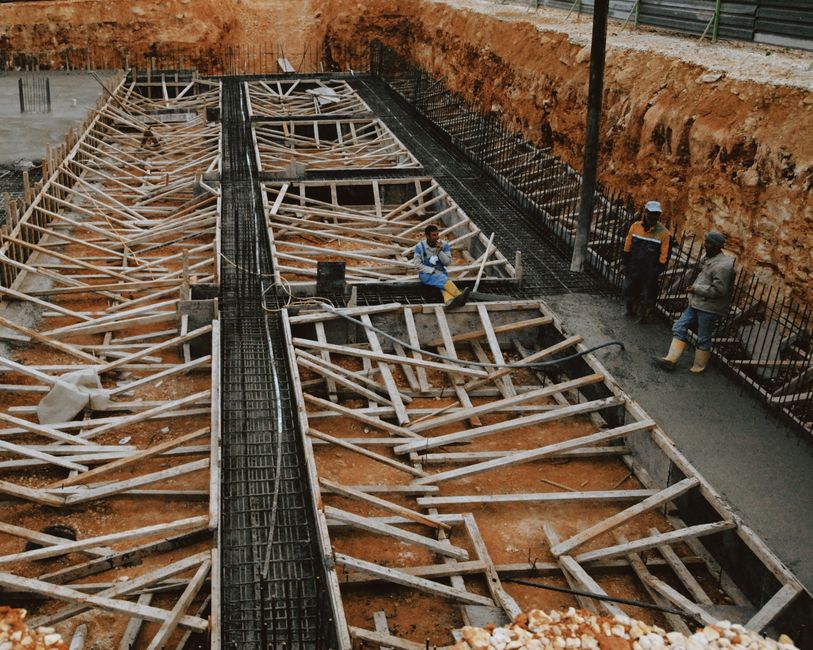
Before you install any waterproofing material, you need to expose the foundation wall. You should excavate the soil to a depth that reaches the footing, taking care to avoid damaging utilities. You must remove loose debris, clean the surface, and repair any visible cracks with a suitable filler. You can use a pressure washer to clear dirt, but you must let the wall dry completely before applying a membrane. Proper preparation ensures that the waterproofing adheres securely and performs as intended.

Applying an Exterior Membrane

When you choose an exterior membrane, you spread a thick, flexible sheet over the cleaned wall. You should overlap each sheet by at least 6 inches to create a continuous seal. You must embed the membrane in a layer of drainage mortar, which directs water toward a perforated pipe. You install the pipe at the base of the wall, sloping it toward a sump pit or daylight outlet. By following these steps, you create a robust barrier that deflects water away from the foundation.

Installing a Drainage System

A well?designed drainage system captures water that gathers behind the membrane. You should lay a bed of crushed stone behind the drainage pipe, providing space for water to flow freely. You must connect the pipe to a sump pump that activates when water reaches a preset level. You can choose a battery?backed pump to ensure operation during power outages. Regularly test the pump by pouring water into the pit, confirming that it expels water efficiently. A reliable drainage system prevents water buildup that could otherwise compromise the foundation.

Sealing Joints and Penetrations

Every joint, pipe entry, and utility opening presents a potential leak path. You should seal these points with a high?quality, flexible sealant that adheres to both concrete and metal. You must apply the sealant in a continuous bead, smoothing it to eliminate gaps. For larger penetrations, you can install flashing that wraps around the pipe and integrates with the membrane. By meticulously sealing each opening, you eliminate weak spots that water could exploit.

Maintaining Your Waterproofing System

After installation, you need to perform routine checks to ensure lasting protection. You should inspect the exterior grading annually, making sure the soil slopes away from the foundation at a minimum of 5 percent. You must clear debris from the drainage outlet, preventing clogs that could cause water backup. You can monitor the sump pump’s operation by listening for its activation during rain events. By staying proactive, you extend the lifespan of your waterproofing system and avoid costly repairs.

Evaluating Long?Term Benefits

Investing in foundation waterproofing delivers measurable advantages for your home in Portland. You reduce the likelihood of structural damage, lower indoor humidity, and prevent mold growth that can affect health. You also increase property value, as prospective buyers recognize the added protection. Over time, you save money by avoiding expensive foundation repairs and water?damage restoration. By committing to a comprehensive waterproofing plan, you safeguard your home’s stability and create a comfortable, dry living space for years to come.

What Do You Know About

Getting Creative With Advice

A Quick Overlook of – Your Cheatsheet

A Quick Overlook of – Your Cheatsheet

Crawl Space Care for Portland Homeowners

Living in Portland, Oregon means you enjoy lush scenery and frequent rain, but that climate also brings hidden challenges beneath your home. The crawl space beneath many houses acts as a gateway for moisture, pests, and heat loss. When water seeps in, mold spreads, insulation degrades, and the structure of your house weakens. Addressing these problems early saves you from expensive repairs and protects the health of your family. This article walks you through the key steps of Portland Oregon crawl space repair, showing how each action builds on the previous one to create a dry, safe, and energy efficient foundation.

Portland’s rainfall creates a natural tendency for water to collect in low areas. When the ground around your foundation stays damp, the crawl space absorbs that moisture through the soil and any gaps in the floor joists. You notice the problem when you see damp wood, a musty smell, or condensation on pipes. The first step you take is to stop water from entering the space. You can do this by grading the soil away from the house, installing a proper drainage system, and sealing any cracks in the foundation walls. Each of these measures redirects runoff, reducing the amount of water that reaches the crawl space floor.

Once you have limited external water, you need to control the moisture that already exists inside. You achieve this by laying a thick polyethylene vapor barrier over the earth floor. The barrier acts like a waterproof blanket, preventing ground moisture from evaporating into the air. You should overlap the edges of the sheet and tape them securely to create a continuous seal. After the barrier is in place, you add a layer of rigid insulation on top. This combination not only blocks moisture but also reduces heat loss, keeping the space cooler in summer and warmer in winter.

Air circulation plays a vital role in keeping the crawl space dry. After you install the vapor barrier, you install vents or a small exhaust fan that moves fresh air through the space. You position the vent low on one side of the crawl space and the fan high on the opposite side, creating a natural flow that pushes humid air out. By running the fan for a few minutes each day, you lower humidity levels and discourage mold growth. This active ventilation works hand in hand with the barrier and insulation, forming a three?layer defense against moisture.

Pests often follow moisture, so sealing entry points becomes the next logical step. You examine the perimeter of the crawl space for gaps around utility lines, vents, and access doors. You fill these openings with expanding foam or metal mesh, making it difficult for rodents, insects, and larger animals to enter. You also install a sturdy access door that fits tightly, preventing drafts and keeping critters out. By eliminating these pathways, you protect insulation, wiring, and structural components from damage.

With moisture and pests under control, you turn your attention to the condition of the existing insulation. Wet or compressed insulation loses its ability to regulate temperature, forcing your heating and cooling system to work harder. You pull out any insulation that shows signs of water damage, mold, or compression. You replace it with new, high?density batts that fit snugly between the joists. Properly installed insulation works together with the vapor barrier and ventilation to maintain a stable temperature, which translates into lower energy bills and a more comfortable home.

Finally, you schedule regular inspections to catch new issues before they become major problems. You walk through the crawl space at least twice a year, checking the vapor barrier for tears, the fan for proper operation, and the foundation for new cracks. You also monitor humidity levels with a simple hygrometer; keeping the reading below 60 percent indicates a healthy environment. These routine checks reinforce the work you have already done and give you peace of mind that your crawl space remains in good shape.

Portland Oregon crawl space repair is not a single task but a series of connected actions that protect your home from water, pests, and energy loss. By grading the soil, installing a vapor barrier, adding ventilation, sealing entry points, upgrading insulation, and performing regular inspections, you create a resilient foundation that supports the rest of your house. Taking these steps now prevents costly repairs later and ensures that your home stays comfortable, safe, and efficient for years to come.

Study: My Understanding of

A Quick Rundown of